


Boise’s Spring Thaw Checklist: Stop Post-Freeze Leaks Before They Spread
When the Treasure Valley warms up after a hard winter, pipes, valves, and fittings that survived the freeze can start weeping, dripping, or outright bursting. Catching those issues in March–April is the difference between a quick repair and subfloor, drywall, or landscape damage.
This ready-to-use checklist focuses on the most common post-freeze failure points—crawlspaces, hose bibs, and irrigation tie-ins—and gives you two quick tests to confirm hidden leaks. If water is actively running, go straight to Emergency Plumbing. If you need a professional pinpoint without opening walls or digging, book Leak Detection.
Free resource: EPA WaterSense publishes homeowner-friendly spring leak tips (no sign-up). It’s a great refresher for what to watch for outdoors.
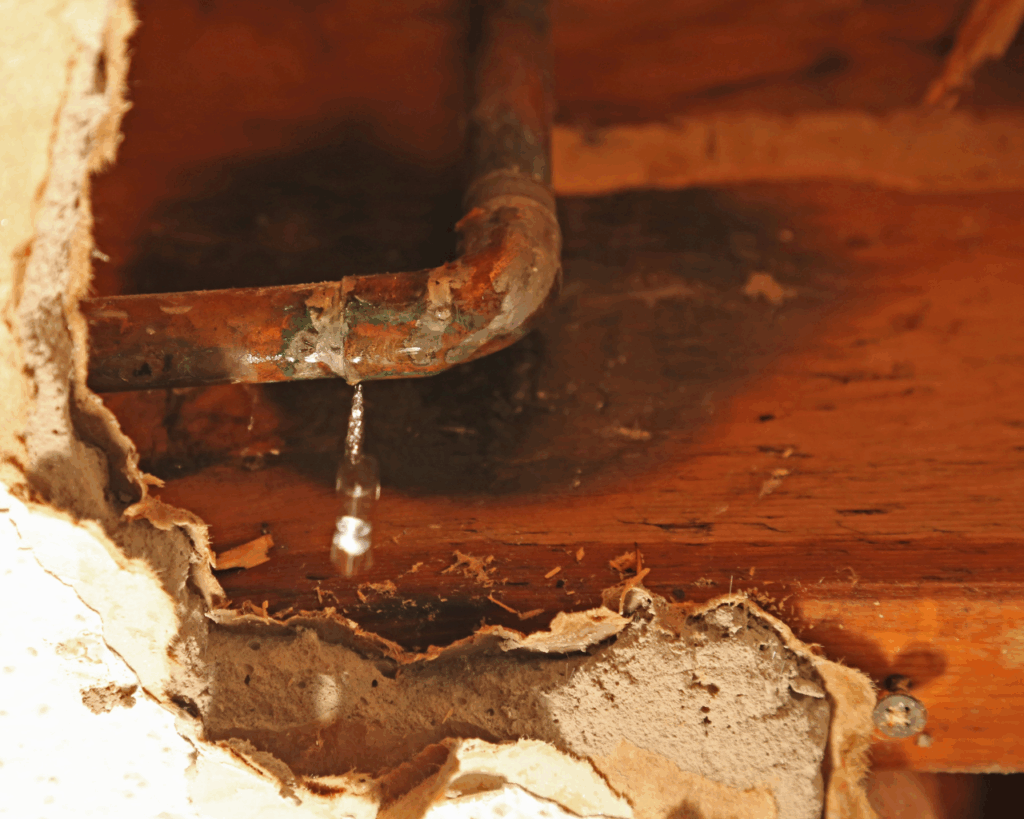
1) Crawlspace Sweep (15 minutes, big savings)
What fails after freezes
Split PEX or copper near exterior rim joists
Cracked CPVC elbows
Loose hose-style clamps on softener/filtration bypasses
Drippy PRV discharge or expansion tank fittings above the crawl
What to do
Bring a headlamp, phone, and towels.
Follow the perimeter where pipes cross cold rim joists or vents.
Check every union, tee, and elbow; touch for moisture.
Look under bath groups (tubs/showers) for slow drips.
Inspect the main entry and meter line area for damp soil.
Red flags
“Shiny” joints, mineral crust rings, or damp wood
Water spots below exterior spigots or softener loops
If you see active dripping, close the nearest shutoff and call Emergency Plumbing. For mystery moisture without a clear source, schedule Leak Detection—acoustic/thermal tools pinpoint fast.
2) Hose Bib Reality Check (the frost-free myth)
Frost-free spigots still burst if a hose or splitter was left attached over winter—the trapped water can split the inner tube.
Test each bib
Remove all hoses, splitters, and backflow attachments.
Open the bib and watch the indoor side (behind the wall) from the crawl or basement.
Close the bib and check the vacuum breaker on top for weeping.
Fail cues
Water appearing in the wall bay or crawl after the first run
Steady drip from the vacuum breaker cap
Replace the bib (preferably with a properly pitched frost-free model) and add an interior shutoff for winterizing.
3) Irrigation Tie-In & Backflow Assembly (before first watering)
Freeze–thaw hits backflow bodies, bonnets, and manifolds hard.
Quick startup routine
Verify isolation valves turn freely (don’t force).
Open the downstream valve slowly while watching unions/bonnet for leaks.
Crack each zone for 30–60 seconds and look for:
Soggy patches or “greener than green” strips → lateral leaks
Heads that don’t pop → cracked cases/low pressure (often a break)
Valve boxes with standing water → diaphragm or manifold cracks
Do this too
Book your annual backflow test so your drinking water is protected and paperwork is current.
If a zone won’t pressurize, we can pressure-isolate to find the break quickly via Leak Detection.
4) Water Heater & Expansion System (post-freeze stress check)
Cold snaps spike pressure. The first clue is a dripping TPR valve or moisture at the expansion tank.
2-minute check
Look for dampness at the TPR discharge line and pan.
Tap the expansion tank; if it feels water-logged (no hollow sound at the top), it may have lost charge.
If you hear rumbling/popping, sediment likely built up over winter—add a flush to your spring list.
If the TPR weeps or you see corrosion, call Emergency Plumbing for a safety check.
5) Two Fast Leak Tests (confirm the sneaky stuff)
A) The 2-Minute Meter Test
Turn everything off (inside and out).
Watch the meter’s leak indicator (small triangle/star).
Still = good.
Creeping/spinning = hidden flow.
Close the irrigation master and recheck.
If it stops, the leak is in the yard system.
If not, it’s on the house side → book Leak Detection.
B) Hot-Side Isolation (slab/crawl leaks)
Close the cold inlet at the water heater.
Recheck the meter/indicator.
If it stops, you likely have a hot-side leak (common after winter).
If it continues, suspect cold-side or irrigation.
6) Outdoor Fixtures & Add-Ons
Replace rubber washer hoses with braided stainless.
Re-seal/strap any loose pipe penetrations at exterior walls.
Add battery leak sensors under the heater, behind the washer, and near crawl entries—cheap early warning.
Boise Spring Thaw: Printable Mini-Checklist
☐ Crawlspace perimeter sweep (joints, rim joists, bath groups)
☐ Hose bibs: remove hoses, test, inspect vacuum breakers
☐ Irrigation: inspect tie-in/backflow, run each zone solo, open boxes
☐ Meter test + hot-side isolation (confirm hidden leaks)
☐ Water heater: pan/TPR/expansion tank check
☐ Replace worn supply lines; add leak sensors
☐ Tag your main shutoff so anyone can act fast
FAQs
I hear water but don’t see it—what now?
Shut off the main and call Leak Detection. Acoustic/thermal tools find hidden lines under slab or in walls without demo.
My backflow leaks as soon as I open the valve.
Likely a cracked bonnet or damaged internals from freezing. Don’t run the system—repair or replace and complete a certified test.
A hose bib only leaks when running.
Classic split tube on a frost-free. Replace the bib; we’ll add an interior shutoff to make winterizing simple.
Bottom line
Spring is the best (and cheapest) time to hunt down post-freeze issues. Run this checklist once and you’ll avoid surprise bills, soggy drywall, and ruined landscaping. If water is flowing where it shouldn’t, hit Emergency Plumbing right now. For a targeted, no-mess diagnosis and photos you can send to insurance, schedule Leak Detection and we’ll take it from there.