


Dishwasher, Disposals, and Grease: The Kitchen Drain Survival Plan for Everyday Cooks
If your kitchen is where the action is—weeknight pasta, weekend brunch, meal-prep Sundays—your drains take a beating. Grease films, starch gels, coffee grounds, and stringy peels build a slow-motion clog that starts with gurgles and ends with a sink you can’t use. The good news: with a few everyday habits, a simple weekly routine, and the right pro maintenance, you can keep everything moving (quietly) all year.
If your sink is already backing up or you hear that hollow glug-glug, book Drain Cleaning for a same-day clear. Want a quick quote or scheduling help? Tap Contact.
Free resource: The EPA’s FOG (Fats, Oils, Grease) outreach page has homeowner-friendly tips for what not to pour down the drain.
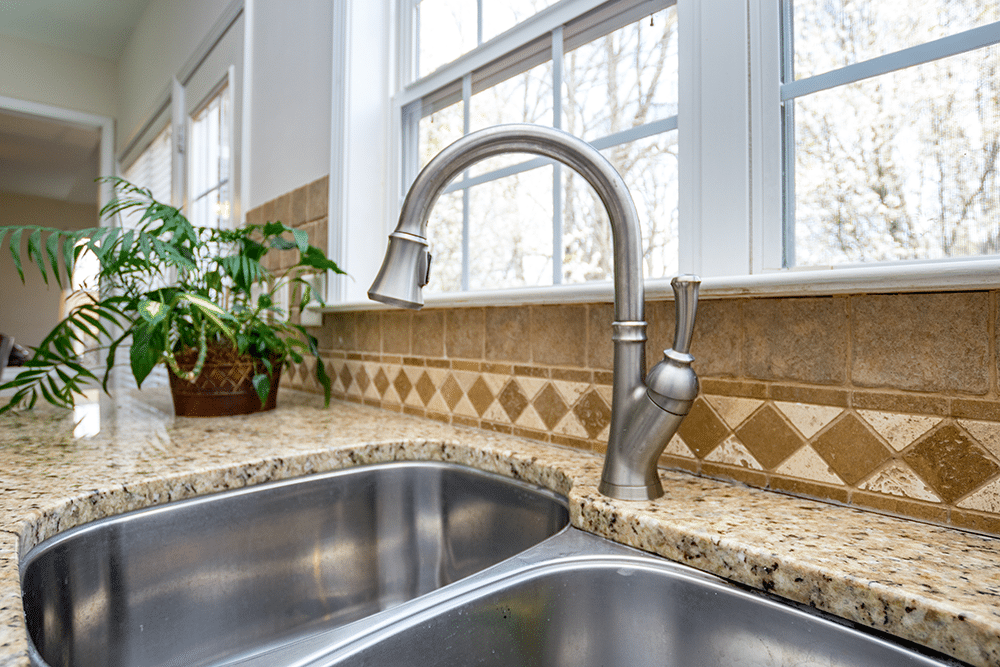
The Enemies of a Healthy Kitchen Drain (and where they hide)
FOG (fats, oils, grease). Bacon fat, cooking oil, buttery sauces. They cool on the pipe wall and turn sticky, catching everything else. Even “just a little” coating adds up over dozens of meals.
Starches & gels. Rice, pasta, potato flakes, and flour form a paste that glues crumbs to the pipe. Pasta water is especially sneaky—rich in starch.
Fibers & strings. Celery threads, onion skins, corn silk, artichoke leaves. They wrap the disposal’s flywheel and create a net that traps more food.
Coffee grounds & eggshells. Heavy particles settle in the trap and act like sandpaper, wearing fittings while building a dense layer.
Dishwasher discharge. Hot water + detergent + pulverized food enters the same branch as your sink. Great for dishes, terrible for a pipe already filmed with grease.
Why this combo clogs: Grease coats, starch glues, fibers tangle, solids settle. Add cool rinse water and a long, flat pipe run, and you’ve got the perfect storm.
Your 10-Minute Weekly Routine (no harsh chemicals)
1) Hot, then cold flush
After greasy meals, run hot water 30–60 seconds to soften film and push it forward, then switch to cold for 15–20 seconds. The cold firms remaining grease so it moves instead of smearing the wall.
2) Enzyme night (once a week)
After your last dish cycle, dose the sink with a non-caustic enzyme/bio product. Let it sit overnight so microbes can digest the film. Enzymes don’t “melt clogs”; they prevent buildup—that’s the win.
Picking a product: Look for septic-safe, non-corrosive, and labeled for kitchen drains. Skip anything marketed as “instant” or “acidic”—harsh chemicals can pit metals and eat gaskets.
3) Disposal refresh
Toss in a handful of ice and a few citrus peels. Run cold water and the disposal 10–15 seconds. The ice knocks biofilm off blades and baffle; citrus helps deodorize.
4) Basket strainers everywhere
Use fine-mesh strainers in each basin; dump scraps into the trash or compost—not the drain. Empty strainers before running the dishwasher so solids don’t ride along.
Monthly quickie (2 minutes): Pull the black rubber baffle at the sink opening and scrub both sides. It traps film and is the source of many “mystery odors.”
Dishwasher & Disposal: Small Setup Tweaks, Big Results
1) Air gap or high loop—pick one and do it right
Air gap (best): The small chrome cap on the sink deck. It breaks any siphon so dirty sink water can’t backflow into the dishwasher. Pop the cap monthly and clear sludge with a bottle brush.
High loop: If no air gap, route the dishwasher drain hose up to the underside of the counter before dropping to the disposal or branch tailpiece.
Wrong: Hose droops straight down = backflow and smells.
Right: Hose is clipped high; smooth downhill to the connection.
2) The correct connection point
Use the dishwasher nipple on the disposal (and remove the knockout plug first), or a branch tailpiece with a proper side inlet. Tighten clamps and check for weeps after your first dish cycle.
3) Disposal best practices
Cold water only while running (grease firms and moves; hot water liquefies and re-coats).
Feed small batches; avoid stringy peels, corn husks, and artichokes.
If it hums but won’t spin, cut power, use the hex key at the bottom to free the flywheel, then press reset. Repeats mean it’s time for service.
4) Bonus: Dishwasher maintenance that helps drains
Clean the dishwasher filter monthly (bottom of the tub).
Run a tub cleaning cycle (dishwasher cleaner) to keep fats from redepositing.
Ensure the disposal knockout was removed; a brand-new dishwasher with a still-installed knockout can’t drain.
The Preventive Jetting Cadence (and why it works)
Even with perfect habits, busy kitchens build film. A light hydro-jet cleans the trap and kitchen branch before film hardens into a choke point.
Average home cooking: every 12–18 months
Large families / heavy cooking / entertainers: every 6–12 months
Older homes or long, flat runs: start at 6 months, then extend once we see your line’s behavior
During [Drain Cleaning], we typically:
Camera the branch to confirm material, condition, and slope.
Jet with a degreasing nozzle sized for your pipe—not just a cable.
Finish with hot water and an enzyme starter.
Result: Pipes return to “bare wall,” so normal use doesn’t quickly rebuild the clog. Think of jetting like changing oil—cheap insurance for a high-use system.
Early Warning Signs (don’t wait for the weekend backup)
Water stands in the sink longer than it used to
Disposal sounds hollow or labored during grind
Gurgling after the dishwasher drains
Odor that returns within a day of cleaning
Dishwasher leaves grit or a film on the bottom basket (restriction)
Any of the above = schedule [Drain Cleaning] before guests or holidays.
“Never Down the Drain” List (seriously)
Cooking oils, bacon fat, pan drippings (wipe pans with a paper towel; trash it)
Rice, pasta, potato peels, large amounts of flour or dough
Coffee grounds, eggshells, nutshells
Fibrous veggies (celery, leeks, corn husks, artichokes)
Paint, grout, joint compound (they cure like cement)
“Flushable” wipes—not flushable, definitely not grindable
Better options: Cool grease in a can and trash it; scrape plates; use a counter scrap bin or compost.
Quick Troubleshooting (fast fixes before you call)
Dishwasher backs up into the sink
Check air gap/high loop first.
If using the disposal nipple, confirm the knockout plug was removed.
Run the disposal 5–10 seconds to clear the shared port, then test.
Disposal hums but won’t spin
Turn off the switch. Insert the hex key into the bottom center hole and work the flywheel back and forth. Press reset on the side/bottom.
Still trips? Bearings or motor windings may be failing—time for service.
Persistent odor
Pull and clean the rubber baffle and basket strainer.
Enzyme soak overnight.
If odor persists, the film is further down the branch—book Drain Cleaning for a camera + light jet.
Sink backs up when the dishwasher runs
Classic sign the shared branch is restricted. Even if the sink drains “okay” on its own, the added dishwasher flow overwhelms the choke point. Jetting solves this.
Venting & Traps: The often-missed piece
A poorly vented kitchen line glugs and pulls the trap water seal, allowing odors and slowing flow. If you hear gurgling after draining or smell a faint sewer whiff, ask us to verify the trap arm slope and vent during Drain Cleaning. Sometimes a small code correction (AAV height, proper slope, longer trap arm) makes a huge difference in day-to-day performance.
Design Tips When You Remodel (future-proof the drain)
Add a cleanout for the kitchen branch in an accessible cabinet.
Keep the trap arm short with correct slope to the wall.
If the sink is on an island, plan the venting correctly (island loop/AAV with access).
Choose a disposal with adequate horsepower for your household (½ hp light use; ¾–1 hp for regular cooks).
Specify an air gap on the countertop in code-required jurisdictions—it’s small and it works.
Maintenance Bundle That Pays for Itself
Our Kitchen Drain Maintenance visit can include:
Light hydro-jet of the kitchen branch
Air gap/high loop verification and cleanup
Trap, baffle, basket clean and reset
Enzyme starter + a one-page habit card for your fridge
Optional: a leak sensor under the sink (cheap early warning)
Ask for this option via Drain Cleaning; we’ll tailor the cadence to your cook style. For scheduling, ping Contact.
FAQs
Are enzymes safe for septic?
Yes. Choose septic-safe, non-caustic formulas. Avoid lye/acid “openers”—they can damage pipes, disposals, and gaskets, and they rarely fix the real problem: film.
Can jetting hurt old pipes?
Used correctly, no. We select the right pressure and nozzle for your pipe material and condition. The goal is a clean wall, not blasting.
Do garbage disposals help drains?
They help with small, soft scraps and convenience. They don’t dissolve grease or replace good habits and periodic cleaning.
Why does my sink smell after I cleaned it?
The odor often lives on the baffle and inside the branch line. Clean the baffle, dose enzymes, and if it returns, schedule a camera + jet.
Is a double sink worse than a single?
Neither is “worse,” but double-bowl setups with a dishwasher and disposal share more junctions—each a potential catch point. Proper slope, air gap/high loop, and periodic jetting keep them trouble-free.
Bottom line
Keep FOG out, keep water and air gaps flowing, and jet before the holidays—not after. Master those three and your kitchen stays smooth, quiet, and odor-free. If you’re already seeing slow drains, odors, or dishwasher-to-sink backups, book Drain Cleaning and we’ll return your kitchen to “bare-wall” clean. Have a quick question or need a time slot that fits your week? Tap Contact—we’ll make it easy.