


Signs You Have a Main Sewer Line Problem in Nampa ID Not Just a Clog
At first, it seems like a normal plumbing issue.
The sink drains a little slower.
The toilet bubbles once or twice.
Maybe water backs up for a second and then goes down again.
Most homeowners treat it like a small clog and move on.
However, when those same problems start showing up in different parts of the house, it’s usually not just a simple blockage anymore.
That’s when you have to start thinking about the main sewer line.
And once the main line is involved, the situation changes from a minor inconvenience to something that can affect your entire home.
If you’re already dealing with recurring issues and want a clear answer, you can start here.
What the main sewer line actually does
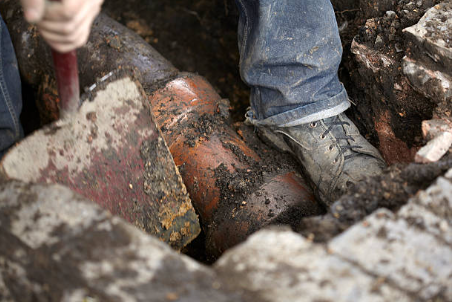
Your main sewer line is the central pipe that connects all the drains in your home to the city system.
Every sink, shower, toilet, and appliance eventually feeds into that one line.
Because of that, any issue in the main line doesn’t stay isolated.
It affects everything connected to it.
Why these problems are easy to misread at first
Most sewer line issues don’t start with a major backup.
Instead, they show up as smaller, scattered symptoms.
At first, those symptoms seem unrelated.
However, as they start happening more often or in multiple areas, the pattern becomes clearer.
That’s usually the moment homeowners realize something bigger might be going on.
The most common signs of a main sewer line problem
Multiple drains acting up at the same time
This is one of the biggest indicators.
If one sink is slow, it’s probably a local clog.
But if:
The bathroom sink is slow
The shower drains poorly
The kitchen sink backs up occasionally
All at the same time, the issue is likely deeper in the system.
Toilets bubbling or gurgling
Toilets are often the first place you notice sewer line problems.
If you hear bubbling after using another fixture, that usually means air is being pushed through the system due to a blockage.
Because everything connects to the main line, pressure changes show up in unexpected places.
Water backing up in the lowest drain
When the main line is restricted, water has nowhere to go.
As a result, it often backs up into the lowest point in the home.
That could be:
A shower
A bathtub
A basement drain
Even if you weren’t using that fixture at the time.
Slow drainage throughout the house
A single slow drain can be a small issue.
However, when multiple drains slow down together, it usually points to a restriction in the main line.
That’s because all the water is trying to pass through the same narrowed space.
Sewer smells coming from drains
If sewer gas starts coming back into the home, it can be a sign the system isn’t venting or draining properly.
While smells can come from smaller issues, combined with other symptoms they often point to something deeper.
What usually causes main sewer line problems
Buildup over time
Grease, debris, and residue can collect in the line over the years.
At first, it slows things down. Eventually, it creates a major restriction.
Tree root intrusion
Roots can enter through small cracks and grow inside the pipe.
Once they’re in, they continue expanding and catching debris.
This is one of the most common causes in Nampa homes with mature trees.
Pipe damage or shifting
Over time, pipes can crack, collapse, or shift out of alignment.
When that happens, water flow is disrupted and problems start appearing above ground.
Why quick fixes don’t solve the problem
It’s tempting to treat each symptom individually.
Clear the sink.
Fix the toilet.
Move on.
However, when the main line is involved, those fixes only provide temporary relief.
The underlying issue remains, so the symptoms come back.
That’s why recurring problems are such a strong signal.
How the issue is confirmed
Since the main sewer line is underground, you can’t see what’s happening from inside the house.
That’s where a camera inspection comes in.
It allows you to:
Locate the exact problem
See what’s causing the blockage
Determine the severity
Instead of guessing, you’re working with real information.
What happens if it’s ignored
Sewer line issues don’t usually stay the same.
Over time, they tend to get worse.
That can lead to:
More frequent backups
Water damage inside the home
Stronger odors
More expensive repairs
That’s why early signs are worth paying attention to.
What actually fixes a main line problem
Thorough drain cleaning
If buildup is the cause, proper cleaning can restore flow and remove the restriction.
Root removal
If roots are present, they need to be cleared and managed.
Targeted repairs
If the pipe is damaged, repairing or replacing sections may be necessary.
What not to do
Don’t assume it’s just a simple clog if multiple fixtures are affected.
Also, don’t rely on repeated quick fixes. They don’t address the main issue.
At the same time, don’t wait for a full backup. That’s when the situation becomes much more disruptive.
When to call a plumber
It’s time to take action if:
Multiple drains are acting up
You notice bubbling or gurgling
Water backs up into unexpected places
Problems keep returning
You can schedule service here.
What A Plus usually checks
Most homeowners want to know how serious the issue is.
A typical visit includes:
Checking symptoms across fixtures
Inspecting the main line
Identifying the cause
Recommending the best solution
Frequently asked questions
How do I know if it’s the main sewer line
Multiple drains acting up at once is the biggest clue.
Can this fix itself
No. It usually gets worse over time.
Is this common in Nampa
Yes, especially in older homes or areas with trees.
Is it always a major repair
Not always. Some issues can be resolved with proper cleaning.
Final thoughts
A main sewer line problem doesn’t always start with a big, obvious failure.
Instead, it shows up as smaller issues that gradually connect over time.
Once those patterns become clear, it’s important to act before it turns into a full backup.
If multiple drains in your home aren’t behaving the way they should, it’s worth looking deeper.
Because when the main line is involved, fixing the real cause makes all the difference.