


Hidden Water Leaks in Your Home in Nampa ID Signs You Shouldn’t Ignore
Not every plumbing problem shows up in a way that’s easy to see.
There’s no puddle on the floor.
Nothing is dripping under the sink.
Everything looks normal at first glance.
However, something still feels off.
Maybe your water bill is creeping up.
Maybe you hear water running when nothing is on.
Or maybe there’s just a small change in the way your home feels.
That’s usually how hidden leaks start.
They don’t announce themselves right away. Instead, they build quietly in the background until the damage becomes obvious.
If you’re noticing signs that something might be wrong and want it checked, you can start here.
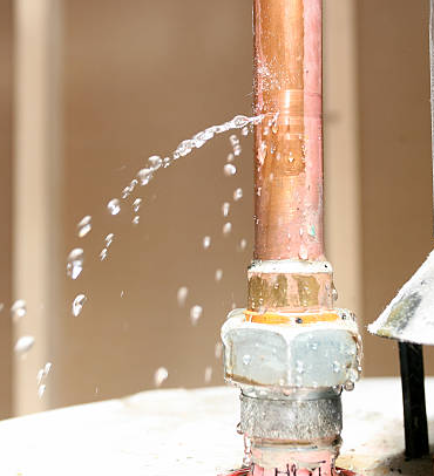
Why hidden leaks are harder to catch
When most people think of a leak, they picture something visible.
A pipe dripping.
Water pooling somewhere.
A fixture clearly failing.
Hidden leaks don’t behave like that.
Instead, they occur behind walls, under floors, or in places you don’t normally check.
Because of that, they often go unnoticed until secondary signs start showing up.
Where hidden leaks usually happen
Leaks can develop in several parts of your plumbing system.
For example:
Behind walls where pipes run
Under sinks or cabinets
Beneath flooring
Around water heaters
Along main water lines
Since these areas aren’t always visible, the leak can continue for a long time before being discovered.
The most common signs of a hidden leak
A rising water bill without explanation
This is one of the biggest clues.
If your usage hasn’t changed but your bill keeps increasing, water may be escaping somewhere.
Because it’s not visible, the only sign is the cost.
The sound of running water
Sometimes you can hear it.
A faint hissing or running sound when everything is turned off.
At first, it’s easy to dismiss.
However, if it keeps happening, it’s worth paying attention to.
Damp or discolored areas
Hidden leaks often show up indirectly.
You might notice:
A damp spot on the wall
Discoloration on the ceiling
Warping in flooring
These signs usually appear after water has been leaking for a while.
Musty or unusual smells
Water trapped in enclosed spaces can lead to odor.
That smell doesn’t always point directly to the source.
However, it often indicates moisture where it shouldn’t be.
Reduced water pressure
If a leak is significant enough, it can affect how water flows through your system.
Because of that, you might notice weaker pressure in certain areas.
Why hidden leaks get worse over time
Unlike a visible problem, hidden leaks don’t get addressed right away.
They continue running day after day.
Over time, that can lead to:
Structural damage
Mold growth
Higher repair costs
Because of that, catching them early makes a big difference.
Why this is common in Nampa homes
Plumbing systems naturally age.
In Nampa, factors like water quality and seasonal temperature changes can contribute to wear.
Over time, small weaknesses in pipes can develop into leaks.
That’s why these issues tend to show up gradually instead of all at once.
What causes hidden leaks
Pipe corrosion
Over time, pipes can weaken due to mineral content and age.
Eventually, small leaks can form.
Loose or worn connections
Fittings and joints can loosen or wear out.
When that happens, small amounts of water escape over time.
High water pressure
Excess pressure puts stress on pipes.
Because of that, it can lead to leaks developing in weaker areas.
Temperature changes
Pipes expand and contract with temperature shifts.
Over time, this movement can lead to small failures.
Why guessing doesn’t work
It’s tempting to try to track down the leak yourself.
However, hidden leaks aren’t always where you expect them to be.
For example, water can travel along surfaces before showing up somewhere else.
Because of that, the visible sign may not match the actual source.
How leaks are properly detected
Professional detection focuses on finding the exact source.
This may include:
Listening for water movement
Checking pressure levels
Inspecting problem areas
Using specialized tools
The goal is to locate the leak without unnecessary damage to walls or flooring.
What not to do
Don’t ignore small signs.
Also, don’t assume the problem will stay minor.
At the same time, don’t start tearing into walls without knowing where the issue is.
When to call a plumber
It’s worth getting help if:
Your water bill keeps rising
You hear water when nothing is running
You notice damp spots or odors
Something just doesn’t feel right
You can schedule service here.
What A Plus usually checks
Most homeowners want one clear answer.
“Where is the leak coming from?”
A typical visit includes:
Checking for pressure changes
Inspecting visible signs
Locating the source
Recommending the best way to fix it
Frequently asked questions
Can a hidden leak cause major damage
Yes, especially if it continues over time.
How do I know if I have one
Rising bills, sounds, and damp areas are common signs.
Can leaks fix themselves
No. They usually get worse.
Is this common in Nampa
Yes, especially in aging plumbing systems.
Final thoughts
Hidden leaks are easy to overlook because they don’t show up right away.
However, the longer they go unnoticed, the more damage they can cause.
Paying attention to small changes in your home can help you catch them early.
If something feels off, it’s worth taking a closer look before it turns into a bigger issue.