


When Repiping a Home Makes Sense in Nampa ID and Why Waiting Too Long Can Cost You More
Most homeowners don’t think about their pipes very often.
They’re out of sight, behind walls and under floors, doing their job quietly.
As long as water flows and everything seems normal, there’s no reason to worry.
However, over time, plumbing systems age just like anything else in your home.
At first, the signs are small.
A leak here.
A pressure issue there.
Maybe some discoloration in the water.
Individually, those things don’t always feel like a big deal.
But when they start happening more often, it usually means the system itself is wearing out.
That’s when repiping becomes part of the conversation.
If you’re starting to notice repeated plumbing issues and want a clear evaluation, you can start here.
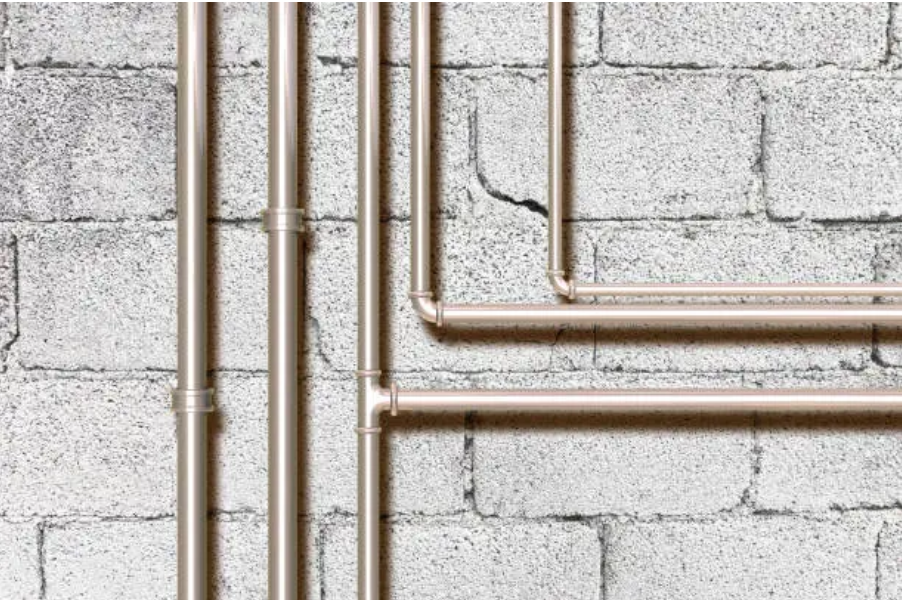
What repiping actually means
Repiping isn’t just fixing a single problem.
It means replacing sections or all of the plumbing system in your home.
That might sound like a big step.
However, in certain situations, it’s the most practical way to restore reliability and avoid ongoing repairs.
Why small issues don’t always stay small
At first, most plumbing problems feel isolated.
You fix a leak and move on.
You deal with a pressure issue and forget about it.
However, when those issues keep coming back, they’re often connected.
That’s because the underlying system is aging.
As pipes weaken, new problems appear in different areas.
Because of that, fixing one spot doesn’t prevent the next issue.
The most common signs repiping might be needed
Frequent leaks
A single leak can happen for many reasons.
However, multiple leaks over time usually point to pipe deterioration.
Each repair fixes the symptom, but the system continues to wear out.
Discolored or rusty water
If your water starts looking brown or has a metallic tint, it often means corrosion inside the pipes.
That corrosion doesn’t stay in one place.
Over time, it spreads and affects more of the system.
Low or inconsistent water pressure
Pressure problems can have several causes.
However, when pipes narrow due to buildup or corrosion, water flow is affected.
Because of that, pressure may drop or fluctuate throughout the house.
Aging plumbing system
Older homes often have pipes that are nearing the end of their lifespan.
Even if they’re still functioning, they may not be reliable long-term.
Repeated repairs adding up
At a certain point, the cost of ongoing repairs starts to outweigh the benefit.
Instead of fixing one issue at a time, replacing the system can provide a more stable solution.
Why this is common in Nampa homes
In the Treasure Valley, factors like water quality and seasonal changes affect plumbing systems.
Hard water contributes to buildup inside pipes.
Temperature changes cause expansion and contraction.
Over time, these conditions increase wear.
Because of that, plumbing systems in Nampa may show signs of aging sooner than expected.
What happens if you keep repairing instead
Repairing pipes can work for a while.
However, when the system is aging, new issues tend to appear.
That leads to:
More service calls
Higher cumulative costs
Ongoing inconvenience
Eventually, homeowners realize they’re fixing symptoms instead of solving the root problem.
Why repiping can be the better long-term decision
While repiping is a larger project upfront, it can provide long-term benefits.
For example:
More consistent water pressure
Improved water quality
Fewer unexpected leaks
Greater reliability overall
Instead of dealing with ongoing issues, you start fresh with a stable system.
What the process usually involves
Repiping isn’t as disruptive as many people expect.
The process typically includes:
Evaluating the existing system
Planning the new layout
Replacing old pipes with updated materials
Testing everything to ensure proper flow
While it does require some work, the goal is to restore function with minimal disruption.
Why timing matters
Waiting too long can lead to bigger problems.
For example:
Water damage from leaks
Higher repair costs
Emergency situations
Addressing the issue earlier allows for better planning and fewer surprises.
What not to assume
Don’t assume repiping is only necessary for very old homes.
Also, don’t assume every issue means you need to replace everything.
At the same time, don’t ignore repeated problems.
Those patterns usually point to a larger issue.
When to call a professional
It’s worth getting an evaluation if:
You’ve had multiple leaks
Water quality has changed
Pressure is inconsistent
Repairs are becoming frequent
You can schedule service here.
What A Plus usually looks at
Most homeowners want a clear answer.
“Do I keep repairing, or is it time to replace?”
A typical evaluation includes:
Checking pipe condition
Looking at repair history
Assessing water quality
Recommending the most practical solution
Frequently asked questions
How do I know if I need repiping
Frequent leaks and water quality changes are strong indicators.
Is repiping always necessary
Not always, but it makes sense when problems are ongoing.
Can repairs extend the life of pipes
Sometimes, but only to a certain point.
Is this common in Nampa
Yes, especially in aging homes with hard water.
Final thoughts
Repiping isn’t something most homeowners plan for.
However, when plumbing issues start becoming a pattern, it’s worth looking at the bigger picture.
Instead of continuing to fix one problem at a time, replacing the system can provide long-term reliability.
If your pipes are showing signs of wear, taking action sooner can help you avoid bigger issues later.