


What Is a Plumbing Vent Pipe in a Nampa Home?
A homeowner in Nampa once called because his bathroom sink sounded like it was trying to talk back to him. 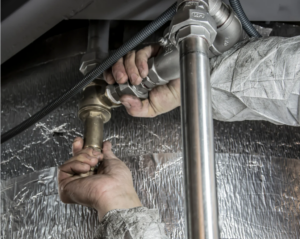
That was how he described it.
Every time the water drained, the sink made this strange little glugging sound. Not loud enough to panic over. Just odd enough to notice.
A few days later, the shower started draining slower than usual.
Then the toilet bubbled one morning after someone used the sink.
At that point, he thought he had three different plumbing problems.
The sink was acting up.
The shower was slow.
The toilet was doing something weird.
But plumbing can be funny that way. What looks like three separate problems can sometimes be connected to one part of the system most homeowners never think about.
The plumbing vent pipe.
It is not the first thing people suspect. Honestly, most homeowners do not even know what it does. You do not see it under the sink. You do not touch it when you turn on the faucet. You probably do not think about it unless a plumber brings it up.
Still, it plays a quiet but important role every single day.
If your drains are gurgling, your bathroom smells strange, or your fixtures are acting like something is not quite right, your plumbing vent may be part of the story.
If you want someone to check the issue in your Nampa home, you can start here.
Your Plumbing System Needs Air Too
Most people think plumbing is only about water.
Clean water comes in.
Dirty water goes out.
Simple enough.
But drains need air to work properly.
That sounds strange at first, but once you picture it, it makes sense.
Have you ever turned a full bottle upside down and watched the liquid come out unevenly?
It does not pour in one smooth stream. It glugs. It pauses. It fights for air.
That is because liquid needs air movement to flow smoothly.
Your plumbing system works in a similar way.
When water leaves a sink, shower, bathtub, toilet, or washing machine, air has to move through the drain system too. If the air cannot move the way it should, the plumbing can start making noises, draining slowly, or pulling water out of places where water is supposed to stay.
That is where the vent pipe comes in.
It helps your drain system breathe.
That Random Pipe on the Roof Has a Job
If you have ever looked at a roof and noticed a pipe sticking up, there is a good chance you were looking at a plumbing vent.
A lot of people assume it is part of the heating system or something related to the attic.
In many homes, it is actually tied to the plumbing.
That pipe allows air to move in and out of the drain system. It also gives sewer gases a safe place to leave the house, above the roofline, instead of coming back through a drain.
When everything is working, you never notice it.
The shower drains.
The toilet flushes.
The sink empties.
The house smells normal.
Nothing feels dramatic.
That is how plumbing is supposed to be.
Why a Vent Problem Feels Like a Drain Problem
This is where homeowners get stuck.
If the sink is slow, they think the sink is clogged.
If the shower smells bad, they think the shower drain is dirty.
If the toilet bubbles, they think the toilet is the problem.
And sometimes they are right.
Hair can clog shower drains. Soap buildup can slow bathroom sinks. Food and grease can cause kitchen drain problems.
But not every drain issue starts right at the fixture.
Sometimes the drain line needs air, and it is not getting enough.
When that happens, the symptoms can show up in odd places.
A bathroom sink might gurgle after the tub drains.
A toilet might bubble when the washing machine empties.
A shower might smell worse after sitting unused overnight.
That is why vent problems can be so frustrating. They do not always point to themselves.
The Gurgle Is Usually Not Random
A gurgling drain is easy to ignore at first.
It sounds harmless.
Almost silly.
You wash your hands, the water goes down, and then the sink makes a little noise.
A lot of homeowners shrug it off.
But drains do not gurgle for no reason.
That sound often means air is moving through the plumbing in a way it normally should not.
Maybe the system is trying to pull air through a drain because the vent is restricted.
Maybe water is having a hard time moving smoothly.
Maybe there is a clog forming deeper in the line and the vent is only part of the issue.
Either way, the sound is a clue.
Not always an emergency.
But definitely a clue.
Sewer Smells Can Come and Go
This is one of the most annoying parts of plumbing odor problems.
They do not always stay long enough for anyone to figure them out.
A bathroom smells bad in the morning.
By lunchtime, it smells fine.
That night, the smell is back again.
Then it disappears for two days.
That kind of pattern makes homeowners second guess themselves. Maybe it was the trash. Maybe someone forgot to clean the shower. Maybe it was just humidity.
Sometimes, sure.
But if the smell keeps returning near a sink, shower, tub, or floor drain, it may be connected to the plumbing.
Your drain system is designed to keep sewer gases out of your living space. Water in the trap helps create that seal. Venting helps manage air pressure and gives those gases a proper way out.
When something disrupts that balance, odors can start showing up where they do not belong.
We talked about this more in the shower odor blog here.
The Toilet Might Be Telling on the System
Toilets can reveal a lot about what is happening inside the drain system.
A toilet should flush and settle.
That is it.
It should not bubble when someone drains the bathtub.
It should not make little burping sounds after the washing machine runs.
It should not have water moving in the bowl when nobody touched it.
When that happens, it often means pressure is shifting somewhere in the plumbing system.
Again, that does not automatically mean the vent pipe is the only issue.
But it does mean the problem may be bigger than the toilet itself.
A lot of homeowners waste time trying to fix the fixture they can see. Meanwhile, the real problem may be farther away.
When One Drain Acts Up, It Might Be Local
One slow sink is usually easier to understand.
Maybe there is hair in the bathroom drain.
Maybe toothpaste buildup has collected over time.
Maybe the pop up stopper needs cleaning.
That kind of issue is common.
But when several fixtures start acting strange, it is a different conversation.
The bathroom sink gurgles.
The shower drains slowly.
The toilet bubbles once in a while.
Now it is not just one drain being annoying.
Now the system is showing a pattern.
That is when a plumber may look at the bigger picture, including the drain line and the vent system.
Why Chemical Drain Cleaners Often Miss the Point
It is tempting to grab a bottle from the store and pour it down the drain.
A lot of people do it.
It feels easy. It feels fast. It feels like at least you are trying something.
But if the problem is connected to airflow, chemicals are not going to fix that.
They might temporarily change what is happening in the drain opening, especially if there is buildup nearby. But they will not clear a blocked roof vent. They will not correct a pressure problem. They will not tell you whether the issue is actually deeper in the line.
That is why some homeowners end up treating the same drain over and over.
The smell comes back.
The gurgle comes back.
The slow drain comes back.
At some point, the better question is not, “What can I pour down there?”
It is, “Why does this keep happening?”
What Can Block a Plumbing Vent?
Vent pipes are open at the top, so they can sometimes run into problems.
Leaves can collect around the opening.
Debris can fall inside.
Birds or small animals can create blockages.
In colder weather, ice can sometimes be an issue.
Other times, the vent may not be fully blocked. It may just be restricted enough to affect how the system performs.
The difficult part is that homeowners usually cannot see the problem from inside the house.
The symptoms show up at the sink, shower, or toilet.
The cause may be up on the roof.
That is why this type of issue can feel confusing.
Summer Can Make Small Plumbing Problems Easier to Notice
In many Nampa homes, summer means more water use.
More showers.
More laundry.
More dishes.
More guests.
More kids at home.
More activity in general.
When a plumbing system is already dealing with a small issue, heavier use can make that issue more obvious.
A vent restriction that barely showed up in spring may start causing louder gurgling in July.
A drain that was only a little slow may become more frustrating when everyone is using the bathroom more often.
That does not mean summer caused the problem.
It may have simply made the problem harder to ignore.
The Smell After a Shower Might Not Be the Water
Some homeowners notice odor right after a shower and assume the water itself smells bad.
Sometimes water quality can be involved, but many times the smell is coming from the drain system.
Hot water and steam can wake up odors that were already there.
The shower runs.
Warm air rises.
The bathroom fills with moisture.
Then the smell becomes easier to notice.
If the odor is strongest near the shower drain, that detail matters.
If the smell also shows up near the sink, toilet, or tub, that matters too.
Plumbing problems are often solved by paying attention to the small details.
A Vent Pipe Is Not Something You Want to Guess About
There are plenty of home tasks people can handle on their own.
Changing a filter.
Cleaning a faucet aerator.
Running water in an unused shower to refill a dry trap.
But vent and drain issues can get tricky because the symptoms overlap.
A clog can sound like a vent problem.
A vent problem can smell like a dirty drain.
A sewer line issue can make multiple fixtures act strange.
That is why guessing can turn into a long, frustrating loop.
You try one fix.
Then another.
Then another.
And the same problem still comes back.
A proper look at the plumbing system saves time because it separates the symptom from the cause.
What A Plus Looks For
When A Plus Drain Cleaning and Plumbing checks a home with gurgling drains, sewer smells, or strange fixture behavior, the goal is to understand the pattern.
Where is the sound coming from?
When does the smell show up?
Is one fixture affected or several?
Does the toilet bubble when another fixture drains?
Is the shower slow all the time or only after heavy use?
Has anything changed recently in the home?
Those answers help narrow things down.
Sometimes it is a simple drain cleaning issue.
Sometimes the vent system needs attention.
Sometimes the problem is deeper in the drain line.
The important part is finding out what is actually going on instead of just covering up the symptom.
You can schedule service here.
When You Should Not Ignore It
A little gurgle one time may not mean much.
But a gurgle that keeps coming back deserves attention.
The same goes for sewer smells.
If a bathroom smells odd once, you might clean it and move on.
But if the smell returns again and again, especially near drains, something is causing it.
Plumbing issues usually do not improve just because they are ignored.
Sometimes they stay small for a while.
Then one day, they become much more inconvenient.
It is usually easier to look into the problem while the signs are still manageable.
Frequently Asked Questions
What does a plumbing vent pipe do?
A plumbing vent pipe helps air move through the drain system so water can flow properly. It also helps sewer gases leave the home safely through the roof.
Can a vent pipe cause drains to gurgle?
Yes. If the vent is blocked or restricted, drains may gurgle because air is moving through the system incorrectly.
Can a plumbing vent cause sewer smells inside the house?
It can. Venting problems may contribute to sewer odors, especially when pressure inside the plumbing system is not balanced correctly.
Is every slow drain caused by a clog?
No. Slow drains can be caused by buildup, a deeper blockage, venting issues, or a combination of problems.
Where is the plumbing vent pipe located?
In many homes, plumbing vents run through the walls and exit through the roof.
Final Thoughts
A plumbing vent pipe is easy to overlook.
It is not pretty.
It is not something people show off during a remodel.
It is just a pipe doing quiet work behind the scenes.
But when it stops working the way it should, the house starts giving little hints.
A sink gurgles.
A toilet bubbles.
A shower smells strange.
A drain slows down for no clear reason.
At first, those things can seem separate.
Sometimes they are not.
If the same plumbing issues keep coming back in your Nampa home, it may be time to have the system checked. A Plus Drain Cleaning and Plumbing can help figure out whether the problem is in the drain, the vent, or another part of the plumbing system.