


Why Does My Kitchen Sink Smell Even After I Clean It?
It wasn’t the trash.
At least, that’s what one homeowner in Nampa kept telling herself.
She had already taken the garbage outside. She wiped the countertops, cleaned the refrigerator, and even mopped the kitchen floor because, at that point, everything was a suspect.
Still, every time she walked past the sink, there it was.
Not a terrible smell. Not something strong enough to send everyone out of the room.
It was just there.
Enough to make someone stop and ask, “What is that?”
Her husband blamed the garbage disposal. Their daughter thought something had fallen behind the refrigerator. Their son blamed the dog.
Everyone had a different theory.
Nobody had the right one.
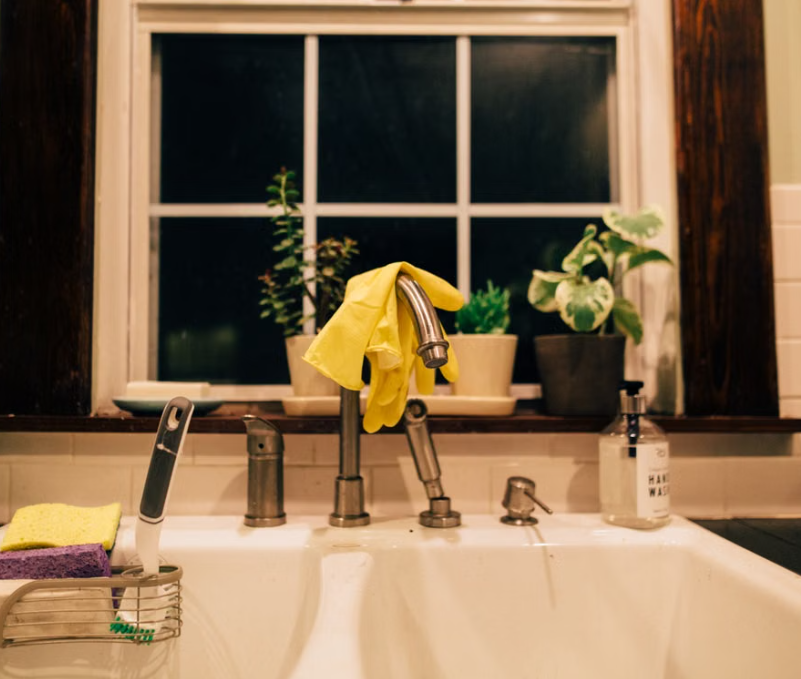
What made the situation frustrating was how clean the kitchen looked. The sink sparkled. The counters were spotless. There wasn’t a dirty dish anywhere.
Yet the smell kept returning.
A kitchen sink can smell even when everything around it looks perfectly clean. Surprisingly often, the odor isn’t coming from the place homeowners think it is.
If your kitchen sink has developed an odor that refuses to disappear, A+ Drain Cleaning and Plumbing can help uncover what is really causing it.
It Usually Starts With More Cleaning
There is something almost funny about how people react to a mystery smell.
The first instinct usually isn’t to call a plumber.
It’s to clean harder.
You wipe down the counters again. Then you clean inside the sink and underneath it. Maybe you reorganize the cabinet because surely something must have spilled.
One homeowner admitted she cleaned her microwave three times before realizing the odor wasn’t coming from that side of the kitchen.
It sounds ridiculous afterward.
In the moment, it makes perfect sense.
Nobody expects the cleanest part of the kitchen to be causing the smell.
The Sink Can Look Perfectly Fine
That is what makes kitchen drain odors so confusing.
There may not be a visible clog. Water drains normally. Nothing backs up. The faucet works, and the garbage disposal sounds the same as it always has.
From the outside, everything appears exactly the way it should.
If the sink stopped draining, you would know there was a plumbing problem. If water started pouring onto the floor, you would know something needed attention.
A smell is different.
It sits quietly in the background. It may be easy to ignore one day and impossible to ignore the next.
Some homeowners only notice the odor in the morning. Others smell it after dinner or whenever someone runs hot water.
Nobody is necessarily imagining it.
Running water, using the disposal, opening the cabinet, and changes in airflow can all make an existing odor more noticeable.
Yesterday’s Dinner May Still Be Around
Kitchen drains handle more than most people realize.
Tiny food scraps, cooking grease, coffee residue, sauces, soap, and pieces of vegetables all make their way toward the drain.
Most of that material disappears without anyone thinking twice.
Not everything washes away immediately.
Over time, small amounts of organic material can collect inside parts of the drain that homeowners cannot see or easily clean. That doesn’t always mean the drain is clogged. Water may continue flowing normally while residue remains on the inside of the pipe.
Think about a coffee mug.
You can pour water through it all day, but that doesn’t mean the inside stays perfectly clean forever.
Pipes are no different.
A drain can carry water away while still holding enough food residue or organic buildup to create an unpleasant smell.
The Garbage Disposal Gets Blamed a Lot
To be fair, sometimes it deserves the blame.
If your kitchen has a garbage disposal, it is usually the first thing everyone suspects. People assume the smell must be coming from food that was chopped up during yesterday’s dinner.
Sometimes they are right.
Food particles can remain around the disposal or underneath the splash guard. However, the smell may also come from farther down the drain.
That is why dropping a lemon into the disposal doesn’t always solve the problem.
It may make the kitchen smell fresher for a little while, but the original odor eventually returns.
There is a difference between covering a smell and removing its source.
Candles, air fresheners, citrus, coffee grounds, and open windows can improve the room temporarily. They cannot remove buildup that is still sitting inside the plumbing.
Grease Doesn’t Always Leave
Hot grease is still grease.
It may look completely liquid while you are rinsing a pan. That doesn’t mean it stays that way after traveling farther into the plumbing.
As grease cools, it begins sticking to the inside of the drain.
Little by little.
Meal after meal.
Month after month.
One homeowner insisted she never poured grease down the drain. Then she explained that she always rinsed frying pans with hot water.
Those two things aren’t always as different as people think.
Small amounts of grease can combine with food particles and other residue, creating buildup that smells long before it completely blocks the drain.
Professional kitchen drain cleaning may be necessary when ordinary cleaning products cannot reach the material causing the odor.
The Cabinet Underneath Can Tell Its Own Story
One homeowner decided to empty everything from underneath her kitchen sink.
Cleaning products, dishwasher tablets, reusable grocery bags, and paper towels all came out.
What surprised her wasn’t the plumbing.
It was the smell.
The cabinet itself smelled stronger than the sink.
Not terrible.
Just damp.
Sometimes odors around a kitchen sink have less to do with the drain and more to do with what has been happening underneath it.
A tiny drip, lingering humidity, or moisture trapped inside a closed cabinet can create an odor that regular sink cleaning will never remove.
The cabinet may provide other clues. Paper towels stored in the back may feel damp. The shelf might look darker than usual. The edges may begin swelling, or the finish may start peeling.
The EPA recommends responding quickly when moisture or condensation appears because damp materials can eventually support mold growth and property damage. Its guidance on moisture inside the home explains why controlling the moisture source matters.
If you notice dampness beneath the sink, a professional leak detection service can help determine whether the problem is coming from the drain, a fitting, or another part of the plumbing.
The Sink Isn’t Always the Source
Smells travel.
Air moves through a home in ways we rarely notice.
One family spent nearly a month cleaning the kitchen sink. They tried drain cleaner, disposal tablets, and fresh citrus.
Nothing changed.
Then someone opened the dishwasher while it was still warm, and the odor became much stronger.
Suddenly, the sink wasn’t the only place worth checking.
Kitchen plumbing operates as one connected system. An odor noticed near the sink may begin in the dishwasher connection, garbage disposal, drain, cabinet, or another nearby area.
Your nose tells you where you noticed the smell.
It doesn’t always tell you where the smell started.
Pay Attention to When It Happens
Sometimes the timing provides the best clue.
One homeowner noticed that the kitchen smelled normal until someone turned on the faucet. As soon as water entered the drain, the odor appeared.
When the water stopped, the smell slowly disappeared.
That detail shifted the attention back toward the plumbing.
Running water may disturb buildup inside the drain and briefly make the odor stronger. Using the garbage disposal may do the same thing.
Consider when you notice the smell most.
Does it happen while water is running? Is it stronger after cooking? Does using the dishwasher make a difference? Is the odor worse when you open the cabinet?
These observations can help narrow down the source.
When Routine Cleaning Isn’t Enough
Every kitchen develops an unusual smell occasionally.
Maybe dinner stayed in the trash too long. Perhaps food was left in the disposal overnight.
Most of those smells disappear after cleaning.
The odors worth investigating are the ones that continue returning.
You clean the sink.
It smells better.
Two days later, the odor is back.
You clean again.
The same thing happens.
That repeating cycle usually means something is continuing to create the odor.
It doesn’t mean you cleaned incorrectly. The source may simply be somewhere routine cleaning cannot reach.
Sometimes the smartest next step isn’t buying another cleaning product.
It’s figuring out why the smell keeps returning.
When to Call a Plumber
When someone calls A+ Drain Cleaning and Plumbing about a kitchen sink odor, we usually begin with a few questions.
When do you notice the smell? Does running water make it stronger? Does the garbage disposal change anything? Is the sink draining slowly? Does the cabinet underneath stay dry?
Every answer helps tell the story.
Sometimes the cause is exactly what the homeowner expected. Other times, it involves something they never considered.
The goal isn’t simply making the kitchen smell better for one afternoon.
It’s identifying why the odor keeps coming back.
If your kitchen sink has developed a smell that routine cleaning cannot remove, schedule service with A+ Drain Cleaning and Plumbing.
One Last Thought
The kitchen is often the busiest room in the house.
Breakfast before work. Lunch on weekends. Family dinners. Late night snacks.
When something smells unusual, you notice it quickly.
Or maybe you don’t.
You may live with it long enough that it becomes part of the background until someone else walks in and asks, “What’s that smell?”
A lingering kitchen sink odor doesn’t automatically mean something serious has happened.
But you don’t have to spend another month guessing.
If the smell keeps returning after you clean, A+ Drain Cleaning and Plumbing can help find the source so your kitchen smells as clean as it looks.
Contact A+ Drain Cleaning and Plumbing
Frequently Asked Questions
Why does my kitchen sink smell even after I clean it?
Food residue, grease, organic buildup, moisture, or another plumbing condition can create odors even when the sink looks spotless.
Why does the smell get worse when I run water?
Running water can disturb buildup inside the drain or plumbing system, temporarily making the odor more noticeable.
Can my garbage disposal cause bad smells?
Yes. Food particles can remain inside or around the disposal, although the disposal is not always the actual source.
Should I worry if my sink drains normally?
A drain can develop odors even when water flows freely. A recurring smell is worth investigating if regular cleaning doesn’t solve it.
When should I call a plumber about a smelly kitchen sink?
Call a plumber if the odor keeps returning, routine cleaning hasn’t worked, or you notice slow draining, leaks, or moisture underneath the sink.