


Can Hard Water Damage Your Appliances Over Time in Nampa ID?
A homeowner in Nampa told me something a while back that I still think about.
He said, “I feel like I’m always replacing something.” 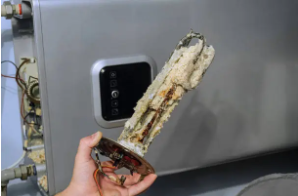
At first, he was talking about his dishwasher.
Then he brought up his water heater.
Then the washing machine.
By the end of the conversation, he wasn’t really talking about appliances anymore. He was trying to figure out why things in his house seemed to wear out faster than they should.
The interesting part was that none of the appliances had suffered some dramatic breakdown.
Nothing exploded.
Nothing flooded the house.
Nothing failed overnight.
Instead, every appliance seemed to be aging a little faster than expected.
That is often how hard water shows up.
Not as a plumbing emergency.
Not as a crisis.
More like a slow drip of frustration that builds over time.
You notice your dishwasher isn’t cleaning quite as well.
Your water heater seems slower.
Your showerhead keeps getting clogged.
Your coffee maker starts acting up again.
Individually, these things do not seem connected.
But after enough years working with homeowners around Nampa, you start seeing the pattern.
Hard water rarely creates one big problem.
It creates a hundred little ones.
And eventually those little problems start adding up.
If you’ve ever wondered whether hard water can actually damage household appliances, the answer is yes. The bigger question is how it happens and what homeowners can do before those costs start piling up.
If you’re concerned about hard water in your home, you can start here.
Most Homeowners Notice the Clues Long Before They Know the Cause
The funny thing about hard water is that people usually notice it without realizing they are noticing it.
They see spots on their glasses.
They scrub white buildup off a faucet.
They clean the shower door again.
And again.
And again.
They buy a new cleaning product because the old one must not be working.
A homeowner once joked that he spent more time cleaning his shower door than actually using the shower.
At first, those things feel like separate annoyances.
The dishes are one issue.
The shower is another.
The washing machine is something else.
But often they all lead back to the same source.
Hard water does not stay in one room.
It travels through the entire house.
The Water Heater Usually Feels It First
If appliances could talk, your water heater would probably have some complaints.
Most homeowners barely think about their water heater until it stops working.
That’s understandable.
It sits quietly in the background doing its job day after day.
Then one day you notice the hot water is not lasting as long.
Or maybe you hear a strange popping sound.
One homeowner described it perfectly.
“It sounded like somebody was cooking breakfast inside the tank.”
That made me laugh because I’ve heard similar descriptions many times.
Popping.
Crackling.
Rumbling.
Knocking.
When homeowners start hearing those sounds, they usually assume something major is happening.
Sometimes the issue is related to mineral buildup that has accumulated over time.
According to the U.S. Department of Energy, sediment accumulation can reduce water heater efficiency and affect performance. The more buildup inside the tank, the harder the system may need to work.
The challenge is that this happens gradually.
Nobody wakes up one morning and discovers ten years of mineral buildup.
It happens one day at a time.
Dishwashers Tell Their Own Story
You know that moment when you unload the dishwasher and immediately feel disappointed?
The dishes are technically clean.
But they don’t look clean.
The glasses seem cloudy.
There are spots everywhere.
The silverware has lost some of its shine.
Most homeowners start blaming detergent.
Then they try another detergent.
Then another.
One homeowner told us she had changed products three times before realizing the dishwasher wasn’t really the issue.
The water was.
Hard water minerals can leave deposits behind over time.
The dishwasher continues doing its job, but the results may not look the same as they once did.
That is often one of the first clues people notice.
Not because something broke.
Because something changed.
The Washing Machine Slowly Drops Hints
Laundry is another place where hard water tends to leave fingerprints.
Not literal fingerprints, thankfully.
But signs.
Small signs.
Towels feel different.
Clothes seem less soft.
Detergent does not seem to perform quite the same way.
A homeowner once described his laundry as feeling “stiff no matter what we used.”
At first he thought it was detergent.
Then fabric softener.
Then the washing machine itself.
Eventually the conversation turned toward water quality.
That is often the pattern.
People spend months chasing symptoms before discovering the actual cause.
Coffee Makers Have a Way of Telling on Hard Water
If you want a quick lesson on mineral buildup, look inside an older coffee maker.
Especially one that has been running for years.
Many homeowners have opened a coffee maker or kettle and found white deposits they never expected.
That buildup did not arrive overnight.
It arrived one cup of coffee at a time.
Small appliances often become the easiest place to see what is happening throughout the house because their components are smaller and more visible.
The same minerals affecting the coffee maker are moving through the rest of the plumbing system too.
The Shower Gives Away More Than People Realize
Bathrooms tell a story.
You just have to know what to look for.
Maybe the showerhead keeps clogging.
Maybe the faucet develops white crusty buildup.
Maybe cleaning products seem to work for a few days before everything comes back.
Most homeowners view those issues as cleaning problems.
Sometimes they are.
Other times, they are clues.
Think of them as little reminders that minerals are moving through every pipe in the house.
Not just the ones you can see.
Why One Home Has Problems and the Neighbor Doesn’t
This question comes up a lot.
Two houses.
Same neighborhood.
Same city.
Completely different experiences.
Why?
Every home is different.
Water usage differs.
Appliances differ.
Maintenance habits differ.
One family may run multiple loads of laundry every day.
Another may not.
One water heater may be older.
Another may be newer.
That is why hard water does not affect every house in exactly the same way.
The mineral content may be similar.
The results are not always identical.
Hard Water Plays the Long Game
One thing I tell homeowners all the time is that hard water is patient.
Very patient.
It is not trying to create an emergency tomorrow.
It is working on next year.
And the year after that.
And the year after that.
That is why so many people overlook it.
Humans are wired to respond to urgent problems.
A burst pipe gets attention.
A sewer backup gets attention.
No hot water gets attention.
Mineral buildup?
Not so much.
Because the effects happen slowly.
The problem feels easy to postpone.
The Utility Bill Sometimes Starts the Conversation
Every now and then a homeowner notices something interesting.
Their appliances seem to be working harder.
The water heater runs longer.
Energy bills creep upward.
Nothing dramatic.
Just enough to make them curious.
Again, hard water is not always the sole cause.
But efficiency losses can become part of the bigger picture.
Especially when appliances must work harder to perform the same tasks they once handled easily.
A Lot of Homeowners Think This Is Just Normal
That might be the biggest surprise of all.
People assume cloudy glasses are normal.
They assume shower buildup is normal.
They assume replacing appliances sooner than expected is normal.
Sometimes those things become so common that homeowners stop questioning them.
Living with hard water for years can make the symptoms feel ordinary.
Until somebody points out that they are not necessarily unavoidable.
What A Plus Looks For
When homeowners ask us about hard water concerns, the conversation usually starts with what they’re seeing around the house.
Not technical measurements.
Not complicated plumbing terms.
Just observations.
What are the dishes looking like?
What is happening with the water heater?
Are fixtures building up deposits?
Have appliance issues become more frequent?
Those details help create a bigger picture.
Because every home is different.
The goal is understanding how water quality may be affecting the plumbing system and the appliances connected to it.
Frequently Asked Questions
Can hard water shorten appliance lifespan?
Hard water can contribute to mineral buildup that may affect appliance efficiency and performance over time.
Does hard water affect water heaters?
Yes. Water heaters are often one of the first appliances affected by mineral accumulation.
Why are my dishes cloudy after washing?
Cloudy dishes and spotting are common signs associated with hard water.
Can hard water affect washing machines?
Hard water can impact both laundry results and appliance performance over time.
Is hard water common in Nampa?
Yes. Many homes throughout Nampa and the surrounding Treasure Valley experience hard water conditions.
Final Thoughts
Most homeowners do not think much about water until something goes wrong.
That is completely normal.
The challenge with hard water is that it rarely announces itself with a major problem.
Instead, it leaves clues.
A cloudy glass.
A noisy water heater.
A showerhead that needs constant cleaning.
An appliance that seems older than it should be.
None of those signs feel urgent on their own.
Together, though, they often tell a story.
And for many homeowners in Nampa, that story starts with the water flowing through the house every single day.
Contact A Plus Drain Cleaning and Plumbing
Internal Links
Related Blog: Summer Water Softener Maintenance Tips for Nampa Homeowners