


Garbage Disposal Problems in Nampa ID and What Usually Causes Them
Most garbage disposals do not fail suddenly.
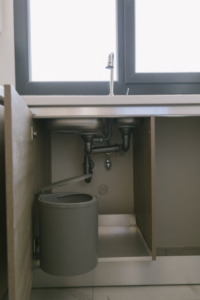
Usually there are warning signs first.
Maybe the sink starts draining slower.
Maybe the disposal sounds different than it used to.
Maybe it clogs more often or smells strange even after cleaning.
At first, homeowners usually brush it off.
“It probably just needs to be reset.”
“Maybe something small got stuck.”
“It still works most of the time.”
And honestly, sometimes that is true.
But around Nampa, where hard water, kitchen buildup, and aging plumbing systems already put extra stress on drains, garbage disposal problems usually
build gradually before they become obvious.
The disposal itself is only part of the system. The drain line connected to it matters just as much.
If your kitchen sink has been backing up, draining slowly, or making strange noises lately, it may be worth checking before the problem gets worse. You can start here.
Why garbage disposals get misunderstood so often
A lot of homeowners accidentally treat the garbage disposal like a trash can.
That is where many problems start.
The disposal helps break down small food particles, but it does not magically make everything safe for your plumbing system.
Some foods still:
Stick inside pipes
Expand with water
Create buildup
Or wrap around disposal components
So even when the disposal seems to “handle it,” the drain line further down may still be collecting debris slowly over time.
That is why many kitchen drain problems actually begin long before the clog fully forms.
The sink draining slowly is usually the first warning sign
This is one of the biggest early indicators.
At first:
Water drains slightly slower
Then the sink starts pooling briefly
Then eventually backups happen more often
Most homeowners assume the disposal itself is failing.
Sometimes it is.
But a lot of the time, the bigger issue is buildup developing inside the kitchen drain line connected to the disposal.
Especially when grease and food debris combine together over time.
Grease is one of the biggest disposal killers
This causes problems constantly.
Grease goes down warm as liquid, so homeowners naturally assume it is harmless.
But once it cools inside the pipes, it thickens and sticks to the drain walls.
Then food debris starts sticking to the grease too.
Little by little:
Flow narrows
Drainage slows
Odors develop
Backups become more common
And because this buildup happens gradually, most homeowners do not notice how restricted the line has become until the sink suddenly stops draining properly.
Certain foods are much harder on disposals than people think
This surprises people all the time.
Some foods seem harmless but create major problems inside disposal systems.
Especially:
Rice
Pasta
Potato peels
Celery
Eggshells
Coffee grounds
Some expand with water.
Some clump together.
Others wrap around internal disposal parts.
And once buildup begins, additional debris collects much faster.
Hard water around Nampa makes kitchen buildup worse
This area is rough on plumbing systems long-term.
Mineral-heavy water creates scale buildup inside pipes over time.
According to the EPA WaterSense program, mineral buildup contributes to reduced plumbing efficiency and increased fixture wear.
Inside kitchen drain lines, that rough mineral surface makes it easier for:
Grease to stick
Soap residue to collect
Food particles to catch
So buildup tends to happen faster in homes around Nampa compared to areas with softer water.
Strange disposal noises usually mean something changed
Homeowners often notice this before full failure happens.
The disposal may:
Hum louder
Sound rougher
Rattle differently
Or suddenly become unusually noisy
Sometimes something is physically stuck inside.
Other times internal components are beginning to wear down.
And occasionally the disposal itself is fine while the drain line connected to it is becoming heavily restricted.
Why resetting the disposal sometimes only helps temporarily
Most disposals have a reset button, and homeowners often use it successfully.
But if the same problem keeps returning, the reset itself usually is not fixing the root issue.
It may simply be temporarily restoring operation while:
Buildup remains
The drain stays restricted
Or internal wear continues
That is why recurring disposal problems usually mean something deeper still needs attention.
Bad smells coming from the disposal matter too
This one drives people crazy.
Even after cleaning, the smell keeps coming back.
Usually that means food residue is trapped somewhere inside:
The disposal
The drain line
Or buildup coating the pipe walls
And because moisture stays present constantly, odors become difficult to eliminate fully without addressing the actual buildup.
Why chemical cleaners are usually not the best solution
This is another common mistake.
A sink slows down, so chemical drain cleaner gets poured into the disposal.
Sometimes it helps temporarily.
But usually:
The buildup remains
The grease stays attached
And the restriction continues developing
Repeated chemical use may also contribute to wear on older plumbing systems over time.
Especially when chemicals sit stagnant inside partially blocked pipes.
Why garbage disposal backups often seem “sudden”
Most homeowners say:
“It worked fine yesterday.”
But kitchen drain restrictions usually develop slowly.
The disposal may continue functioning while the pipe narrows little by little for months.
Then one day:
The sink backs up completely
Water pools instantly
Or the disposal suddenly stops draining
That is why the final failure feels sudden even though the buildup had been developing much longer.
Signs your disposal system may already be struggling
Pay attention if you notice:
Recurring slow drainage
Frequent resetting
Standing water in the sink
Unusual noises
Recurring kitchen odors
Water backing up when running the disposal
Those usually are not isolated issues.
They often point to buildup or developing restriction deeper in the line.
Why recurring kitchen clogs matter
One kitchen clog is manageable.
But repeated kitchen drain issues usually mean:
Grease buildup remains
Food debris continues collecting
Or the line never got fully cleaned
Especially if:
The sink repeatedly backs up
The disposal struggles often
Or both sides of the sink drain slowly together
That usually means the issue is deeper than the disposal itself.
What NOT to put through a garbage disposal
Avoid putting:
Grease
Oil
Rice
Pasta
Coffee grounds
Eggshells
Fibrous vegetables
Large food scraps
And honestly, even “safe” foods should still be used in moderation.
The disposal helps process small amounts. It is not designed to replace proper food disposal habits entirely.
Why homeowners in Nampa often wait too long
Honestly, because the disposal usually still partially works for a while.
That makes the problem feel manageable.
People adapt by:
Running more water
Resetting it repeatedly
Using the other sink side more often
Meanwhile the buildup continues quietly getting worse.
Until eventually the kitchen sink stops draining completely.
What A Plus usually checks during disposal-related calls
Most homeowners want to know:
Is the disposal broken?
Or is the drain line clogged?
A typical visit may include:
Inspecting disposal operation
Checking drain flow
Looking for grease buildup
Evaluating recurring restriction patterns
Determining whether deeper drain cleaning is needed
Sometimes the disposal itself is fine and the drain line is the real issue.
You can schedule service here.
Frequently asked questions
Can a garbage disposal cause drain clogs
Absolutely. Food debris and grease often collect inside the connected drain line over time.
Why does my disposal smell bad even after cleaning it
Food buildup may still exist inside the disposal or drain line.
Is hard water rough on garbage disposals
Yes. Mineral buildup makes it easier for grease and debris to stick inside pipes.
Is this common in Nampa homes
Very common, especially in older homes with hard water buildup.
Final thoughts
Most garbage disposal problems do not actually begin with the disposal itself.
Usually they start with buildup slowly forming inside the kitchen drain system over time.
A little grease.
Some food scraps.
Coffee grounds here and there.
And gradually the drain line becomes more restricted until the problems become impossible to ignore.
The good news is, catching those warning signs early usually prevents bigger kitchen drain problems later.
Contact A Plus Drain Cleaning and Plumbing
Drain Cleaning Services