


How Long a Water Heater Should Last in Idaho and What Actually Affects Its Lifespan in Nampa
Most homeowners don’t think much about their water heater… until it starts acting different.
Maybe the hot water doesn’t last as long.
Maybe it takes longer to heat up.
Or maybe you just realize it’s been there for years and you’re not sure how much life it has left.
That’s usually when the question comes up.
“How long is this thing supposed to last?”
It sounds like a simple question. However, the real answer depends on more than just time.
In a place like Nampa, factors like water quality and usage habits play a big role in how long a system actually holds up.
If your water heater has been showing signs of wear and you want it checked, you can start here.
The average lifespan most people expect
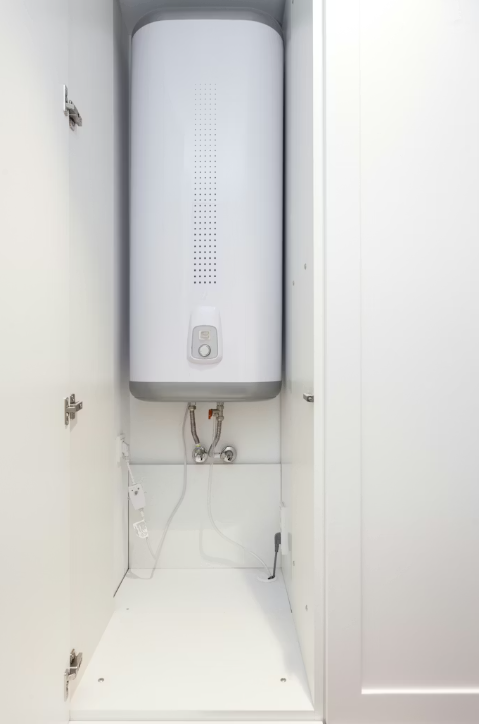
For a traditional tank water heater, the typical lifespan falls between 8 and 12 years.
That’s the general range most homeowners hear.
However, that number isn’t guaranteed.
Some units last longer. Others start having issues sooner.
Because of that, it’s better to think of lifespan as a range influenced by conditions rather than a fixed number.
Why lifespan varies more than people think
Two water heaters installed at the same time can age very differently.
One might last over a decade with minimal issues.
Another might start struggling after only a few years.
That difference usually comes down to how the system is used and what it’s exposed to over time.
The biggest factor in Nampa: hard water
In the Treasure Valley, water tends to carry higher mineral content.
That might not seem like a big deal at first.
However, over time, those minerals settle inside the tank and form sediment.
That buildup:
Reduces efficiency
Creates noise
Puts stress on the system
Because of that, water heaters in Nampa often experience more wear compared to areas with softer water.
If hard water has been affecting your system, this may also be worth considering.
How usage habits affect lifespan
Another major factor is how much hot water your household uses.
For example:
A single-person household puts less demand on the system
A larger family uses significantly more hot water daily
Because of that, systems in high-use homes tend to wear out faster.
It’s not about something being wrong. It’s just normal wear over time.
Maintenance makes a bigger difference than expected
Many homeowners don’t think about maintaining their water heater.
However, small steps can make a noticeable difference.
For example:
Flushing the tank to remove sediment
Checking components for wear
Addressing minor issues early
These actions help reduce buildup and keep the system running more efficiently.
Without maintenance, sediment continues to build and shortens the unit’s lifespan.
Signs your water heater is aging
Even before it fails, a water heater usually gives signs.
You might notice:
Hot water running out faster
Longer wait times
Inconsistent temperatures
Strange noises from the tank
At first, these changes feel minor.
However, over time, they become more noticeable and harder to ignore.
When age becomes a deciding factor
Once a unit gets closer to the 10-year mark, age starts to matter more.
At that point, even small issues can indicate larger wear inside the system.
Because of that, homeowners often face the decision of whether to repair or replace.
If you’re trying to decide what makes sense, this can help.
Why some systems fail earlier
In some cases, water heaters don’t make it to the expected lifespan.
Common reasons include:
Heavy sediment buildup
Lack of maintenance
High daily usage
Poor water quality
When these factors combine, wear happens faster.
Why some systems last longer
On the other hand, some units go beyond the average.
That usually happens when:
Maintenance is consistent
Water quality is managed
Usage is moderate
Issues are addressed early
While no system lasts forever, these factors can extend lifespan significantly.
The role of efficiency over time
Even if your water heater is still working, it may not be working well.
Older systems tend to:
Use more energy
Heat less efficiently
Deliver less consistent results
Because of that, some homeowners choose to replace before failure simply to improve performance.
Why waiting for failure isn’t always ideal
A lot of people wait until the water heater stops working completely.
That approach works… but it comes with downsides.
For example:
No hot water when you need it
Emergency replacement decisions
Less time to compare options
Planning ahead usually leads to better decisions and less stress.
What not to assume
Don’t assume your water heater will reach the full expected lifespan.
Also, don’t assume replacement is necessary just because it’s older.
At the same time, don’t ignore early signs of wear.
The goal is to understand where your system stands.
When to call a professional
It’s worth getting an evaluation if:
Your unit is approaching 10 years old
You’re noticing performance changes
You’re unsure how much life is left
You want to plan ahead
You can schedule service here.
What A Plus usually checks
Most homeowners want a realistic answer.
“How much longer can this last?”
A typical evaluation includes:
Checking the age of the unit
Looking at performance
Identifying buildup or wear
Recommending next steps
Frequently asked questions
How long should a water heater last in Idaho
Most last 8 to 12 years, but hard water can shorten that.
Can maintenance extend lifespan
Yes, especially by reducing sediment buildup.
Should I replace before it fails
In many cases, yes. It helps avoid unexpected downtime.
Is this a common concern in Nampa
Yes, especially with mineral-heavy water.
Final thoughts
A water heater doesn’t usually fail overnight.
It ages gradually, with small signs along the way.
Understanding how long your system should last and what affects it gives you more control over what happens next.
Instead of reacting to a breakdown, you can plan ahead and make decisions that make sense for your home.
If your water heater has been around for a while and starting to feel different, it may be time to take a closer look before it reaches the end of its lifespan.