


Why Your Pipes Are Knocking in Nampa ID and What That Sound Is Trying to Tell You
You’re going about your day, turn off the faucet, and suddenly…
Bang.
It’s quick, loud, and just enough to make you stop for a second.
At first, you might think something fell or shifted behind the wall. Then it happens again the next time you use the sink or shower.
That’s usually when you start wondering what’s going on.
A lot of homeowners describe it the same way.
“It sounds like something is hitting inside the pipes.”
And in a way, that’s not far off.
That sound has a name. It’s called water hammer.
If you’ve been hearing it in your Nampa home and want to make sure it’s not turning into something bigger, you can start here.
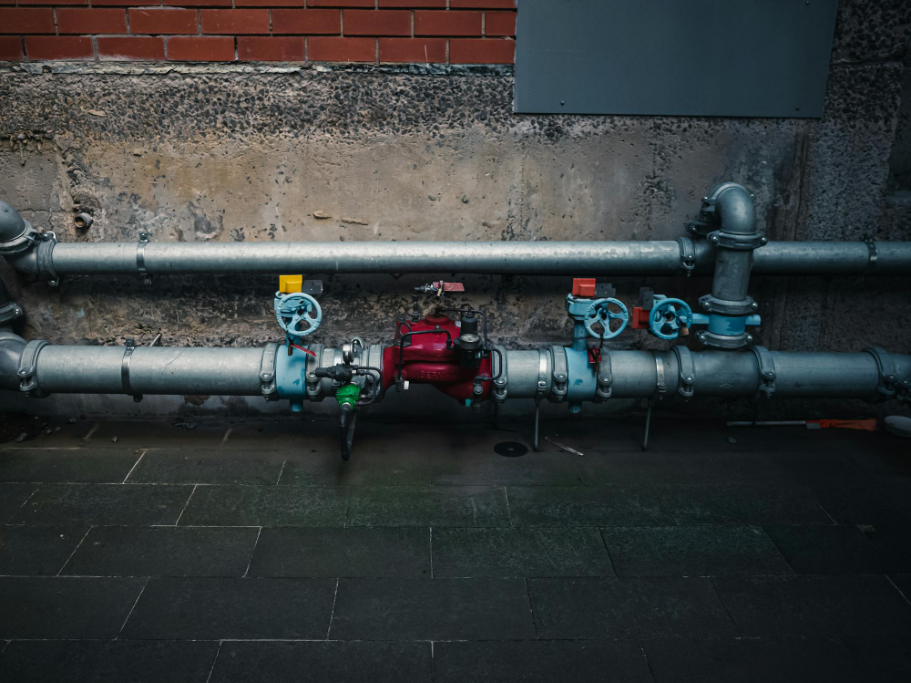
What water hammer actually is (without the technical talk)
Let’s keep this simple.
When water is flowing through your pipes and you suddenly shut it off, that moving water has to stop somewhere.
However, water doesn’t just stop instantly.
It pushes forward, hits a closed valve, and sends a shockwave back through the pipe.
That pressure wave is what creates that knocking sound.
According to the International Association of Certified Home Inspectors (InterNACHI), water hammer is essentially a pressure surge caused by sudden changes in water flow.
So what you’re hearing isn’t random.
It’s your plumbing reacting to sudden pressure changes.
Why it seems to come out of nowhere
Most people say the same thing.
“It wasn’t doing this before.”
That’s because water hammer often shows up gradually.
At first, the system absorbs those pressure changes without making noise.
Over time, something changes.
That could be:
Air chambers losing effectiveness
Valves wearing out
Pressure levels increasing
Because of that, the system becomes more sensitive to sudden changes.
The situations where you’ll notice it most
Water hammer doesn’t happen all the time.
It usually shows up in specific moments.
For example:
Turning off a faucet quickly
Washing machine cycles stopping
Dishwasher shutting off water flow
Shower valves closing suddenly
In each case, the flow of water stops quickly, which creates that pressure surge.
Why it’s more than just an annoying noise
It’s easy to think,
“Okay, it’s just a sound.”
But that sound is a sign of stress inside your pipes.
Every time that pressure wave hits, it puts force on:
Pipe joints
Valves
Connections
According to the U.S. Department of Energy, pressure fluctuations in plumbing systems can contribute to long-term wear and inefficiency in home systems.
Over time, that stress can lead to:
Loose fittings
Small leaks
Premature wear on components
So while it starts as a noise, it can turn into something more if ignored.
Why this happens in Nampa homes
This isn’t unusual in the area.
Several factors contribute to it.
First, water pressure levels can vary depending on the supply.
Second, as plumbing systems age, their ability to absorb pressure changes decreases.
Third, mineral buildup from hard water can affect valves and internal components.
Because of that, systems become more prone to reacting to sudden changes in flow.
The most common causes of water hammer
High water pressure
This is one of the biggest contributors.
When pressure is already high, the force of stopping water becomes stronger.
That increases the impact inside the pipes.
If you’ve had pressure issues before, this may be connected.
Worn-out air chambers or shock absorbers
Some plumbing systems are designed to absorb pressure using air chambers or devices.
Over time, those can lose effectiveness.
When that happens, the system can’t cushion the pressure the way it used to.
Fast-closing valves
Certain appliances and fixtures shut off water quickly.
That sudden stop increases the chance of pressure waves forming.
Loose or unsecured pipes
If pipes aren’t firmly secured, they can move when pressure changes.
That movement can make the sound louder and more noticeable.
What it usually sounds like in real life
People describe it differently depending on where it’s happening.
Some say it sounds like:
A quick bang behind the wall
A knocking that follows water use
A vibration after turning something off
It’s usually short, but it gets your attention.
And once you hear it, you start noticing it more often.
Why it tends to get worse over time
Water hammer rarely stays the same.
As components wear down or pressure increases, the force of those shockwaves becomes stronger.
Because of that, the sound often gets louder or more frequent.
That’s why it’s better to address it early.
What you can pay attention to first
Before calling someone, you can observe a few things.
When does it happen
Is it only when certain fixtures are used?
How often does it occur
Is it occasional or consistent?
Where does it seem to come from
Is it localized or happening throughout the house?
These details help narrow down the cause.
What not to do
Don’t ignore the sound just because everything still works.
Also, don’t assume it’s harmless.
At the same time, don’t try to force a fix without understanding the cause.
When it’s time to call a plumber
It’s worth getting checked if:
The sound happens regularly
It’s getting louder
You’ve noticed pressure changes
You want to prevent future issues
You can schedule service here.
What A Plus usually looks at
Most homeowners want to know one thing.
“Is this something serious?”
A typical visit includes:
Checking water pressure levels
Inspecting valves and connections
Looking for loose piping
Identifying the source of the noise
Recommending the best fix
Frequently asked questions
Is water hammer dangerous
Not immediately, but it can lead to damage over time.
Can it damage pipes
Yes, repeated pressure surges can wear out connections.
Will it go away on its own
Usually not. It tends to become more noticeable.
Is this common in Nampa
Yes, especially in aging plumbing systems.
Final thoughts
That knocking sound in your pipes isn’t random.
It’s your plumbing system reacting to pressure changes it can’t fully absorb anymore.
At first, it’s just a noise.
However, over time, it can turn into wear, leaks, and more serious issues if left alone.
The good news is, once you understand what’s causing it, it’s usually something that can be managed or fixed.
If your pipes have been making noise lately, it’s worth taking a closer look before it turns into something bigger.