


Pressurized Irrigation vs Domestic Water in Nampa ID: What Homeowners Should Know
If you’ve lived in Nampa for a while, you’ve probably heard someone mention pressurized irrigation. 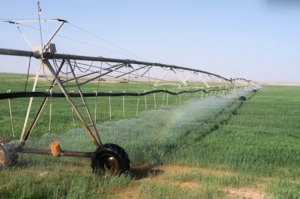
Maybe a neighbor asked if your sprinklers run on irrigation water.
Maybe you saw a separate valve box in your yard and wondered what it was for.
Or maybe you received a notice about irrigation season and realized you weren’t completely sure how it all worked.
Honestly, you’re not alone.
One of the more confusing things for homeowners moving to the Treasure Valley is learning that many properties have two different water systems.
One system supplies water to your home.
The other may supply water to your lawn and landscaping.
Understanding the difference can help prevent confusion, unexpected repairs, and even unnecessary plumbing service calls.
If you’ve ever wondered why your sprinklers behave differently than your faucets or why irrigation season affects parts of your property but not others, this guide will help explain it in simple terms.
If you’re experiencing water pressure issues, outdoor plumbing concerns, or leaks around your irrigation setup, you can start here.
What is domestic water?
Domestic water is the water you use inside your home every day.
This includes water for:
- Sinks
- Showers
- Toilets
- Dishwashers
- Washing machines
- Water heaters
- Refrigerators
This water is treated, monitored, and delivered through the municipal water system.
When you turn on your kitchen faucet, you’re using domestic water.
When you take a shower, you’re using domestic water.
Most plumbing repairs homeowners deal with involve this system.
What is pressurized irrigation?
Pressurized irrigation is a separate water delivery system used primarily for outdoor watering.
In many Nampa neighborhoods, irrigation water is delivered through a dedicated system designed specifically for landscaping and lawn care.
This water is not intended for drinking.
Instead, it is used for:
- Sprinkler systems
- Lawn watering
- Landscaping
- Gardens
- Outdoor irrigation zones
Because it serves a different purpose, it operates differently than the water inside your home.
Why does Nampa have irrigation systems?
The Treasure Valley has a long agricultural history.
As communities developed, many neighborhoods continued using irrigation infrastructure that allowed efficient outdoor watering without relying entirely on treated drinking water.
This helps support landscaping throughout the area while reducing demand on domestic water supplies.
For many homeowners, it is one of the unique features of living in this part of Idaho.
Why homeowners get confused
The confusion usually happens because both systems involve water on the same property.
People naturally assume:
“The sprinklers and house must use the same supply.”
Sometimes they do.
Sometimes they don’t.
It depends on the neighborhood and property.
That is why homeowners occasionally call about:
- Low sprinkler pressure
- Irrigation leaks
- Water supply concerns
Only to discover the issue isn’t actually connected to their home’s plumbing system at all.
Common signs you’re dealing with an irrigation issue instead of a plumbing issue
Here are a few clues.
Your faucets work normally
If:
- Showers work fine
- Toilets flush normally
- Indoor sinks have normal pressure
But your sprinklers are struggling, the issue may be isolated to the irrigation system.
The problem only appears during irrigation season
Many irrigation systems operate seasonally.
If the issue appears around startup time each year, irrigation may be involved.
Only outdoor watering is affected
This is one of the biggest clues.
If the issue only affects:
- Sprinklers
- Irrigation zones
- Outdoor watering
The problem may have nothing to do with your domestic plumbing.
Can irrigation systems leak?
Absolutely.
In fact, many homeowners discover irrigation leaks because of:
- Constantly wet grass
- Muddy spots
- Unusually green patches
- Water pooling in the yard
Because these leaks occur underground, they often go unnoticed longer than indoor plumbing leaks.
This connects directly with: Why Water Bill Suddenly Spikes
Although irrigation water may not always affect your domestic bill the same way, water loss still matters and can create property damage.
What happens when irrigation lines break?
Several things can occur.
You may notice:
- Low sprinkler pressure
- Uneven watering
- Water surfacing in unexpected areas
- Erosion
- Soggy landscaping
Sometimes homeowners assume the sprinkler heads are the problem when the real issue is deeper underground.
Domestic plumbing leaks look different
Domestic plumbing leaks often create different symptoms.
For example:
- Water stains
- Higher water bills
- Dripping fixtures
- Reduced indoor pressure
- Moisture behind walls
This connects directly with: Signs of Water Damage
Understanding which system is involved helps narrow down where to start troubleshooting.
Why pressure behaves differently
This is another area that confuses people.
Irrigation systems and domestic plumbing systems often operate under different conditions.
So homeowners sometimes notice:
- Sprinkler pressure changing
- Outdoor flow varying
- Seasonal performance differences
Meanwhile the faucets inside the house remain completely normal.
That doesn’t necessarily mean anything is wrong with your home’s plumbing.
It may simply be related to irrigation system operation.
What homeowners should watch for
Pay attention if you notice:
- Standing water in the yard
- Unusually wet landscaping
- Sudden sprinkler pressure changes
- Water surfacing near valve boxes
- Areas of grass growing dramatically faster than surrounding sections
These are often early signs of irrigation system issues.
Why understanding the difference saves money
One of the biggest reasons homeowners benefit from understanding these systems is avoiding unnecessary repairs.
We’ve seen situations where homeowners worried about:
- Water pressure
- Plumbing leaks
- Pipe failures
When the actual issue was isolated to irrigation.
We’ve also seen the opposite.
A homeowner assumed the issue was irrigation when the real problem was a domestic plumbing leak.
Knowing the difference helps point you in the right direction much faster.
Hard water still affects both systems
Around Nampa, hard water remains a factor.
According to the EPA WaterSense Program
Mineral buildup can affect:
- Valves
- Pipes
- Fixtures
- Water equipment
Over time, both irrigation-related components and domestic plumbing components can experience wear from mineral accumulation.
What NOT to assume
Do not automatically assume:
- Every outdoor leak is irrigation-related
- Every pressure issue comes from the house
- Every wet area means a sprinkler head is broken
Water systems are interconnected in ways that sometimes make diagnosis tricky.
That is why recurring issues deserve investigation rather than guesswork.
When to call a professional
It is worth getting help if:
- You cannot determine which system is involved
- Water is surfacing unexpectedly
- Pressure changes continue
- Leaks keep returning
- You notice signs of water damage
A proper inspection often saves homeowners from chasing the wrong problem.
Frequently Asked Questions
Is irrigation water the same as drinking water?
No. Irrigation water is generally intended for landscaping and outdoor watering, not drinking.
Why do my sprinklers have low pressure but my sinks work fine?
That often points toward an irrigation system issue rather than a domestic plumbing issue.
Can irrigation leaks damage property?
Yes. Underground leaks can contribute to erosion, soggy landscaping, and other property concerns.
Is this common in Nampa?
Very common. Many Treasure Valley neighborhoods use pressurized irrigation systems.
Final Thoughts
One of the unique things about living in Nampa is that many homeowners deal with both domestic plumbing and pressurized irrigation systems.
Understanding the difference helps make sense of:
- Pressure changes
- Outdoor leaks
- Watering issues
- Seasonal concerns
And honestly, it helps eliminate a lot of confusion when something starts acting differently around your property.
The more you understand how these systems work, the easier it becomes to spot problems early and avoid bigger headaches later.
Contact A Plus Drain Cleaning and Plumbing