


Should You Repair or Replace an Aging Water Heater in Nampa ID?
Most people do not think about their water heater until it gives them a reason to. 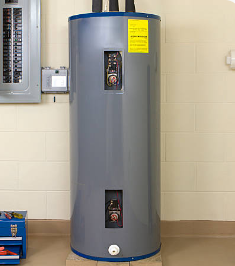
It sits in the garage, basement, or utility closet doing its job quietly every day. You take a hot shower before work. You wash dishes after dinner. You run a load of laundry on the weekend.
Life moves on.
Then one day something feels different.
Maybe your shower starts turning cold sooner than it used to.
Maybe you hear a strange popping sound from the garage.
Maybe you notice a little water on the floor nearby.
Or maybe you receive a repair estimate and suddenly find yourself asking a question that many homeowners in Nampa eventually face.
Should I repair this water heater or is it finally time to replace it?
The answer is not always obvious.
Nobody wants to spend money on a new water heater if a repair will solve the problem. At the same time, nobody wants to keep investing in an aging unit that is already nearing the end of its life.
The trick is understanding what your water heater is trying to tell you before it leaves you with no hot water at all.
If your water heater has been acting differently lately, here are a few things worth considering.
You can schedule an inspection here.
The Problem Usually Starts Small
A homeowner in Nampa called us last winter because his shower was getting cold faster than usual.
At first, he blamed his teenage son.
That seemed reasonable.
Teenagers are not exactly known for short showers.
But after a few weeks, everyone in the house noticed the same thing.
The hot water simply was not lasting.
Nothing dramatic had happened.
The water heater still worked.
It just was not performing the way it used to.
That is how many water heater issues begin.
Not with a complete failure.
Not with a flooded garage.
Just subtle changes that slowly become more noticeable.
The challenge is that homeowners often adjust without realizing it.
They take shorter showers.
They stagger laundry loads.
They avoid running the dishwasher at certain times.
The water heater starts making the rules instead of the family.
Sometimes a Repair Makes Perfect Sense
Not every water heater problem means replacement.
In fact, many homeowners are surprised to learn that some issues can be fixed without replacing the entire system.
One homeowner was convinced they needed a new water heater because the water was not getting hot enough.
After an inspection, the issue turned out to be much smaller than expected.
A repair solved the problem and the unit continued operating normally.
Those are the situations homeowners hope for.
When a water heater is still relatively young and the problem is isolated, repairing it often makes sense.
The goal is not replacing equipment unnecessarily.
The goal is making the smartest long-term decision.
Age Changes the Conversation
Imagine owning a vehicle that has served you well for years.
A repair here and there is expected.
Most people do not replace a car because of one issue.
But eventually, age becomes part of the discussion.
Water heaters are no different.
One of the first questions plumbers ask is simple.
How old is the unit?
A surprising number of homeowners do not know.
That is normal.
Most people do not keep track of water heater birthdays.
But age matters because it helps provide context.
A repair on a newer system may be an easy decision.
The exact same repair on an older system might lead to a completely different recommendation.
The Water Heater That Keeps Asking for Money
There is a point where homeowners begin noticing a pattern.
The water heater needs a repair.
A year later it needs another.
Then another.
None of the repairs seem outrageous on their own.
Together, though, they start adding up.
A homeowner once laughed and told us, “I think this water heater has become a monthly subscription.”
Everyone laughed because they knew exactly what he meant.
Repeated repairs do not automatically mean replacement is necessary.
However, they do force homeowners to ask whether continuing to invest in an aging system still makes financial sense.
Sometimes the answer is yes.
Sometimes the answer becomes increasingly difficult to justify.
Strange Sounds Deserve Attention
Most homeowners know what silence sounds like.
That is why new noises stand out.
A water heater that suddenly starts popping, rumbling, crackling, or knocking gets people’s attention quickly.
One homeowner described it as sounding like somebody was cooking popcorn in the garage.
Another said it sounded like rocks bouncing around inside the tank.
The sound itself is not always the problem.
The reason behind the sound is what matters.
According to the U.S. Department of Energy, sediment buildup can affect water heater efficiency and performance over time. As deposits accumulate, unusual sounds may develop during operation.
For homeowners, those noises often serve as an early warning that something inside the system has changed.
Small Leaks Have a Way of Becoming Bigger Problems
Water heaters rarely ask for permission before creating a mess.
A small puddle today can become a much larger problem tomorrow.
That is why homeowners should never ignore moisture around a water heater.
One homeowner thought a puddle near the tank came from wet shoes.
Then it showed up again.
And again.
Eventually, it became clear the water heater was involved.
Sometimes leaks originate from a repairable component.
Other times, the leak points toward a larger issue.
The only way to know for sure is to have the system evaluated.
Waiting usually does not improve the situation.
Running Out of Hot Water Is Not Just an Inconvenience
Everybody notices when the hot water disappears.
The first person usually complains.
The second person confirms it.
By the third complaint, everyone agrees something is wrong.
A reduction in hot water capacity often develops gradually.
The water heater still works.
It simply does not work as well.
Families begin adjusting their routines.
People rush through showers.
Laundry gets delayed.
Dishwashing schedules suddenly become strategic planning exercises.
When homeowners start building their day around a struggling water heater, it may be time to evaluate their options.
Energy Bills Sometimes Tell the Story First
Not every water heater problem shows up in the shower.
Sometimes it appears on the utility bill.
A homeowner notices costs creeping upward.
Nothing dramatic.
Just enough to make them curious.
While many factors affect energy usage, declining water heater efficiency can become part of the picture.
An appliance working harder to achieve the same results often consumes more resources along the way.
That is why performance matters just as much as outright failure.
The Repair Estimate That Creates a Tough Decision
This is usually the moment homeowners start doing research.
A plumber provides an estimate.
The homeowner stares at the number.
Then looks at the age of the water heater.
Then asks the question.
Should I put money into this unit or start fresh?
There is no universal answer.
Every situation is different.
The age of the system matters.
The condition matters.
The repair cost matters.
Your family’s needs matter.
The best decision for one household may not be the best decision for another.
That is why honest evaluations are so important.
Waiting for Complete Failure Is Usually the Hardest Option
Many homeowners adopt a simple strategy.
Use it until it dies.
Sometimes that works.
Sometimes it creates a much more stressful situation.
Water heaters have a habit of failing at inconvenient times.
Late at night.
During holidays.
When relatives are visiting.
When temperatures drop.
Planning ahead often provides homeowners with more choices than waiting for an emergency.
Nobody enjoys making major decisions while standing in cold water.
Hard Water Can Influence the Decision Too
Hard water is common throughout the Nampa area.
Over time, mineral buildup can affect water heaters and other plumbing components.
That does not automatically mean replacement is necessary.
However, water quality often becomes part of the bigger conversation when evaluating an aging unit.
If you have already noticed mineral buildup throughout the home, it may be worth discussing water treatment solutions at the same time.
What A Plus Looks For
When homeowners ask whether they should repair or replace a water heater, we start by listening.
What has changed?
How old is the system?
Have repairs become more frequent?
Are there leaks?
Are there strange sounds?
Has performance declined?
Those answers help paint a much clearer picture.
Every water heater is different.
Every family uses hot water differently.
Our goal is not to push homeowners toward one option or another.
Our goal is to help them understand the condition of their system so they can make an informed decision.
Frequently Asked Questions
How do I know if my water heater should be replaced?
Age, declining performance, repeated repairs, leaks, and efficiency concerns are all important factors to consider.
Is it worth repairing an older water heater?
Sometimes. It depends on the condition of the system and the nature of the repair.
What are signs that my water heater is wearing out?
Reduced hot water, unusual noises, leaks, rust, and rising energy costs are common warning signs.
Can a leaking water heater be repaired?
Some leaks are repairable while others indicate more significant issues. An inspection can determine the cause.
How long do water heaters usually last?
Lifespan varies depending on maintenance, water quality, usage, and equipment type.
Final Thoughts
Most water heaters do not quit without warning.
They usually leave clues first.
A shorter shower.
A strange noise.
A repair bill.
A puddle on the floor.
The challenge is recognizing those clues before a minor issue becomes a major inconvenience.
Sometimes the smartest move is a repair.
Sometimes replacement provides better value and peace of mind.
The key is understanding what your water heater is trying to tell you before it decides to stop talking altogether.
Contact A Plus Drain Cleaning and Plumbing
Free Authoritative Backlinks
U.S. Department of Energy Water Heating Guide