


Summer Water Softener Maintenance Tips for Nampa Homeowners
Nobody really brags about their water softener.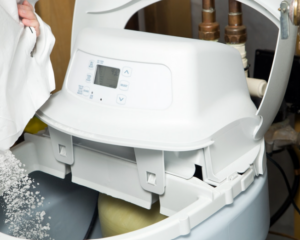
You will hear people talk about a new kitchen. A remodeled bathroom. A backyard project they finally finished.
A water softener? Not so much.
In fact, most homeowners only think about theirs when something starts feeling different around the house.
Maybe the dishes are coming out of the dishwasher looking cloudy again.
Maybe the shower glass is covered in spots two days after you cleaned it.
Or perhaps your skin feels a little drier than usual and you cannot quite figure out why.
At first, those things seem unrelated.
A lot of people assume the dishwasher is acting up. Others blame a new soap or detergent. Some simply figure it is one of those random household things that will sort itself out.
Then a few weeks go by and the signs are still there.
That is usually when the water softener enters the conversation.
Around Nampa, hard water is part of everyday life. Most homeowners have dealt with mineral buildup on fixtures, water spots on glass, or stubborn residue at some point. That is exactly why water softeners are so common throughout the area.
The good news is that most systems are not demanding. They do not need constant attention. However, they do appreciate a little maintenance now and then.
Summer is actually a great time to give your system a quick checkup.
And honestly, it does not take as much time as people think.
If you have concerns about your home’s water quality or plumbing system, you can start here.
The Funny Thing About Water Softeners
When a water softener is working properly, nobody notices it.
That is kind of the whole point.
You turn on the faucet and get water.
You run the dishwasher and put the dishes away.
You wash clothes and move on with your day.
Life feels normal.
The trouble is that water softeners usually do not fail dramatically.
There is no alarm going off in the middle of the night.
There is no giant puddle on the floor.
Instead, little things start changing.
The changes happen slowly enough that homeowners often adapt without realizing it.
One day the shower door takes a little longer to clean.
A few weeks later the faucets seem to collect buildup faster.
Then somebody notices the dishes are looking dull.
Meanwhile, the water softener has been trying to tell you it needs attention.
Summer Puts More Demands on Your Plumbing
There is something about summer that increases water usage.
Kids are home.
Guests stop by.
Laundry piles up.
People shower more often after being outside.
Sprinkler systems run regularly.
As a result, your plumbing system ends up working harder than it did a few months earlier.
That includes the water softener.
A system that was barely keeping up in spring may start showing signs of trouble once summer arrives.
That does not necessarily mean anything is broken.
Still, increased usage can expose issues that have been quietly developing for a while.
The Kitchen Usually Gives the First Clue
One homeowner once described it perfectly.
“The dishes looked clean, but they did not look clean.”
If you have dealt with hard water before, you probably know exactly what that means.
The dishwasher runs normally.
The glasses come out washed.
Nothing looks dirty.
Yet everything seems a little dull.
Water spots appear faster.
Cloudiness becomes harder to ignore.
Sometimes people spend money on new detergent before realizing the issue is actually the water.
That happens more often than you might think.
Before assuming the dishwasher is the problem, it is worth considering whether the water softener is still doing its job.
Then the Bathroom Starts Joining the Conversation
The shower often becomes the next place where hard water makes itself known.
The glass door needs constant cleaning.
Water spots return almost immediately.
Soap does not seem to lather quite the same way.
The showerhead develops white mineral deposits.
None of these things automatically mean your softener has stopped working.
However, when several of them appear together, it is usually worth paying attention.
After all, your water touches nearly every fixture in the house.
When water quality changes, the entire house tends to notice.
Start With the Simplest Thing First
Before assuming the worst, check the salt level.
Seriously.
You would be surprised how many service calls start there.
Life gets busy.
People travel.
Summer schedules become hectic.
Months pass faster than expected.
Then someone opens the brine tank and realizes the salt is much lower than it should be.
Fortunately, that is one of the easiest problems to fix.
A quick glance inside the tank can tell you a lot.
Sometimes the Salt Is There But the System Cannot Use It
This is where things get interesting.
Have you ever heard of a salt bridge?
Many homeowners have not.
A salt bridge happens when a hard crust forms above the water level inside the tank.
From the top, everything looks normal.
The tank appears full.
The salt seems fine.
Underneath that crust, however, there may be empty space.
Because of that, the system cannot access the salt it needs.
Homeowners often assume the softener is working because the tank looks full.
Meanwhile, the system is struggling.
That is why checking below the surface matters.
Pay Attention to What Your Water Heater Is Telling You
Water softeners and water heaters have a closer relationship than many people realize.
Hard water contains minerals.
Those minerals eventually settle inside water heaters.
Over time, buildup can reduce efficiency and make equipment work harder than necessary.
According to the U.S. Department of Energy, mineral accumulation can impact water heater performance and energy usage.
A properly functioning softener helps reduce that mineral load.
In other words, taking care of your water softener may also help protect one of the most important appliances in your home.
Look Around the House for Clues
You do not need special equipment.
Most of the time, the house will tell you what is happening.
Take a look around.
Notice the faucets.
Check the showerheads.
Look at the sink fixtures.
Pay attention to glass surfaces.
If mineral buildup seems to be appearing faster than usual, there may be a reason.
Likewise, if cleaning products suddenly seem less effective, that is another clue worth noticing.
None of these signs prove there is a problem.
Together, though, they often point homeowners in the right direction.
Laundry Has a Way of Exposing Hard Water
Towels are often the first thing people mention.
They just feel different.
Not terrible.
Just different.
Maybe they feel a little stiff.
Perhaps clothes seem rougher than usual.
Some homeowners say colors do not appear as bright.
Others notice fabrics feel less soft after washing.
Again, no single sign confirms a water softener issue.
However, when laundry changes show up alongside spotted dishes and fixture buildup, the bigger picture becomes easier to understand.
Guests Sometimes Notice What Homeowners Miss
This is one of the more interesting patterns plumbers hear about.
A friend visits.
Family comes to stay for a few days.
Someone uses the guest bathroom.
Then they casually mention something.
Maybe they notice spots on the shower glass.
Perhaps they comment on dry skin after a shower.
Sometimes they point out buildup around a faucet.
Meanwhile, the homeowner has stopped noticing because those changes happened gradually.
Fresh eyes often catch things that become normal to the people living there every day.
What Not to Ignore
Most water softener issues do not start as emergencies.
That is exactly why they get ignored.
Cloudy glasses do not seem urgent.
Water spots are annoying, but not alarming.
A little mineral buildup feels manageable.
The challenge is that those small issues are often warning signs.
They are your home’s way of saying something has changed.
The sooner you investigate, the easier it usually is to address the problem.
A Quick Summer Maintenance Routine
If you are not sure where to begin, keep it simple.
Check the salt level.
Look for salt bridges.
Take a quick look inside the brine tank.
Pay attention to water spots.
Notice whether soap is lathering normally.
Watch for mineral buildup around fixtures.
That entire process takes very little time.
Yet it can help catch problems before they become frustrating.
When It Makes Sense to Call a Professional
Most homeowners do not call because they know exactly what is wrong.
They call because something feels different.
The dishes look strange.
The water feels different.
The fixtures need constant cleaning.
The buildup seems worse than it used to be.
That is usually enough.
You do not have to diagnose the issue yourself.
You just have to recognize when things have changed.
You can schedule service here.
What A Plus Usually Checks
When homeowners ask about water softener performance, the goal is pretty straightforward.
Figure out whether the system is working the way it should.
That may involve checking the softener itself, looking for signs of hard water, evaluating water quality concerns, and identifying anything that may be affecting performance.
Sometimes the solution is simple.
Other times, there is a larger issue that needs attention.
Either way, it is helpful to know what is actually happening instead of guessing.
Frequently Asked Questions
How often should I check my water softener?
A quick monthly check is a good habit and only takes a few minutes.
Why are my dishes cloudy again?
Cloudy dishes can be one sign that hard water minerals are making their way through the system.
Is hard water harmful to plumbing?
Over time, mineral buildup can affect fixtures, appliances, and plumbing components throughout the home.
Can a water softener affect my water heater?
Yes. Softened water helps reduce mineral buildup that can accumulate inside water heaters.
Final Thoughts
Water softeners are easy to forget about.
That is usually a sign they are doing their job.
Still, summer is a good reminder to take a quick look and make sure everything is working the way it should.
A cloudy glass here.
A spotted shower door there.
A little extra buildup around the faucet.
Those things might seem minor on their own.
However, they are often the first hints that your system could use a little attention.
And catching a small issue now is usually much easier than dealing with years of mineral buildup later.