


Dishwasher Not Draining or Backing Up Into the Sink in Nampa ID What Is Actually Happening
Opening your dishwasher after a cycle should feel like a small win. The dishes are clean and you did not have to stand at the sink for twenty minutes.
But sometimes you open the door and find something else waiting for you. A cloudy pool of water sitting at the bottom. Suddenly the dishwasher that was supposed to save time just created a new problem.
In other homes the situation shows up differently. The dishwasher seems to finish the cycle, but the kitchen sink slowly fills with murky water that smells like leftover food. That moment usually makes people pause and think something is seriously wrong.
Many homeowners immediately assume the dishwasher itself has failed. In reality, the appliance is often not the real problem.
More often, the dishwasher simply reveals a drain issue that has been slowly building inside the kitchen plumbing.
If you already suspect the kitchen drain line is clogged, this is the service page that usually fixes the problem:
Drain Cleaning
When other drains in the home are acting strange at the same time, the situation may involve a larger plumbing line. If that sounds familiar, start here instead:
Sewer Backup Help
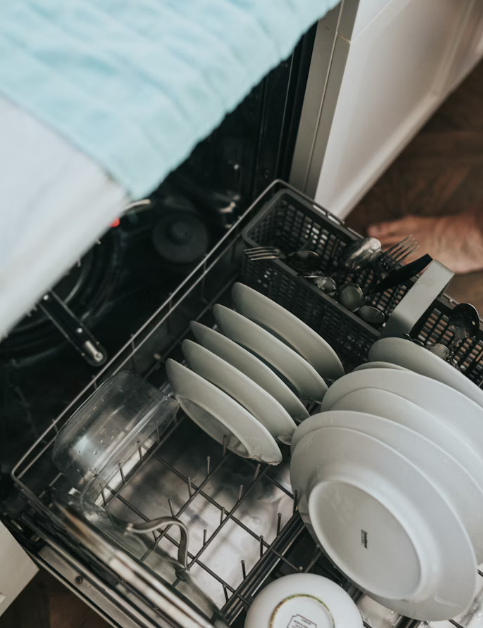
Where the Water Ends Up Tells You a Lot
When homeowners call about a dishwasher that will not drain, the first thing we usually ask is simple.
Where is the water actually sitting?
Water sitting inside the dishwasher
Standing water at the bottom of the dishwasher usually means the appliance cannot push water through the drain system properly. A blocked hose, a clogged disposal connection, or buildup deeper in the kitchen line can slow the flow enough to leave water behind.
Water rising inside the kitchen sink
In other cases the dishwasher drains, but the sink fills with water instead. That situation usually points to a clogged kitchen drain line. The dishwasher pushes water into the same pipe that the sink uses, so when that pipe is restricted the water looks for another place to go.
Most of the time that place is the kitchen sink.
The Most Common Causes We See in Nampa Kitchens
This issue happens often across the Treasure Valley, and the root causes tend to look very similar from house to house.
Grease slowly building up inside the kitchen drain
Most homeowners never intentionally pour grease into the sink. Even so, small amounts still make their way into the drain.
Cooking oil from pans
Butter or sauces from dishes
Food residue during rinsing
Once grease enters the drain it cools and sticks to the pipe walls. Over time that layer thickens and begins catching other debris. Eventually the pipe narrows enough that water cannot move through it quickly.
At that point the dishwasher becomes the first appliance to reveal the problem because it releases a large amount of water all at once.
The Environmental Protection Agency explains that fats, oils, and grease are one of the leading causes of plumbing blockages in homes and sewer systems.
Garbage disposal restrictions
Many dishwashers drain through the garbage disposal connection. When something interferes with that path, drainage problems often appear.
Food debris inside the disposal can slow drainage. A clog further down the line can also cause water to remain inside the disposal chamber.
Another surprisingly common situation occurs after a new disposal installation. Inside the dishwasher inlet of the disposal there is a small knockout plug. If that plug is not removed during installation, the dishwasher cannot drain at all.
The result is water remaining in the appliance or backing up into the sink.
Air gap problems
Some sinks include a small metal fixture beside the faucet called an air gap. This component prevents dirty water from flowing backward into the dishwasher.
When the drain line becomes restricted, the air gap often reveals the issue first. Homeowners sometimes notice water spraying or bubbling out of the air gap during a dishwasher cycle.
The air gap itself is rarely the problem. Instead, the plumbing line after the air gap usually contains a blockage.
Kinked dishwasher drain hose
After a dishwasher installation or repair, the drain hose behind the appliance sometimes becomes bent or pinched.
A small bend can restrict water flow enough that the dishwasher cannot finish draining properly. This issue is simple but appears more often than people expect.
Signs the Drain Line Is the Real Problem
A few small clues often point toward a plumbing issue rather than an appliance failure.
The kitchen sink drains slower than it used to
You hear gurgling sounds when the dishwasher runs
The kitchen smells worse after the dishwasher drains
The problem disappears for a while and then returns
That last pattern appears frequently with partial clogs. The line allows some water through, but the dishwasher pushes enough volume to expose the restriction.
Simple Things You Can Check Safely
You do not need to disassemble the kitchen to look for clues.
Run the kitchen faucet
Let the water run for a minute. If the sink drains slowly or begins to fill, the drain line already has trouble moving water.
Test the garbage disposal
Turn on the disposal briefly with running water. If water remains inside the disposal or drains slowly afterward, buildup may exist in the line.
Check the air gap
Water spraying from the air gap during a cycle usually signals a clog further down the drain line.
Avoid chemical drain cleaners
Chemical cleaners often create a temporary opening through grease buildup but rarely remove the entire layer coating the pipe walls. The problem frequently returns soon afterward.
Additionally, these chemicals create safety risks if a plumber later needs to service the line.
When It Is Time to Stop Troubleshooting
Some warning signs mean it is best to pause and get professional help.
Water nearly overflows from the sink during a dishwasher cycle
Multiple drains in the house are slow or making noises
The problem keeps returning every few weeks
Past drain backups have already happened
If several fixtures are involved, the problem may extend beyond the kitchen line.
This page explains the service used for larger drain problems:
Sewer Backup Help
The Fix That Usually Solves the Problem
Kitchen drain problems often come from layers of grease and residue coating the inside of the pipe.
A quick DIY fix may push a hole through the clog. Water flows again for a short time, but the buildup remains inside the line.
Professional drain cleaning removes that buildup so the pipe can carry water normally again.
If you want the kitchen drain fully cleared, this is the service that handles it:
Drain Cleaning
Occasionally inspection reveals deeper issues such as damaged pipe sections or root intrusion. In those cases the repair page explains the next step:
Sewer Line Repair
A Few Habits That Help Prevent Future Backups
You do not need to change your whole routine to reduce drain buildup.
Scrape large food debris from plates before loading the dishwasher
Wipe greasy pans with a paper towel before rinsing
Run hot water briefly before starting a dishwasher cycle
Pay attention to slow draining sinks before they become clogs
These simple habits help keep grease from building up as quickly inside the kitchen line.
Final Thoughts
When a dishwasher stops draining or sends water into the sink, it often feels like the appliance suddenly broke.
In many homes, the dishwasher is simply the messenger. It reveals that the kitchen drain line has become restricted over time.
If the sink drains slowly, gurgles, or keeps backing up during dishwasher cycles, clearing the drain line properly usually solves the problem.