


Garage Plumbing in Winter: Protect Water Heaters, Softeners, and Laundry Lines
Garages in Idaho ride the widest temperature swings in the house. One cold snap and you’ve got a dripping TPR on the water heater, a softener that won’t regenerate, or a washer hose that bursts right as guests arrive. The good news: with a few hour’s prep, you can winter-proof the whole garage plumbing zone and avoid emergency calls.
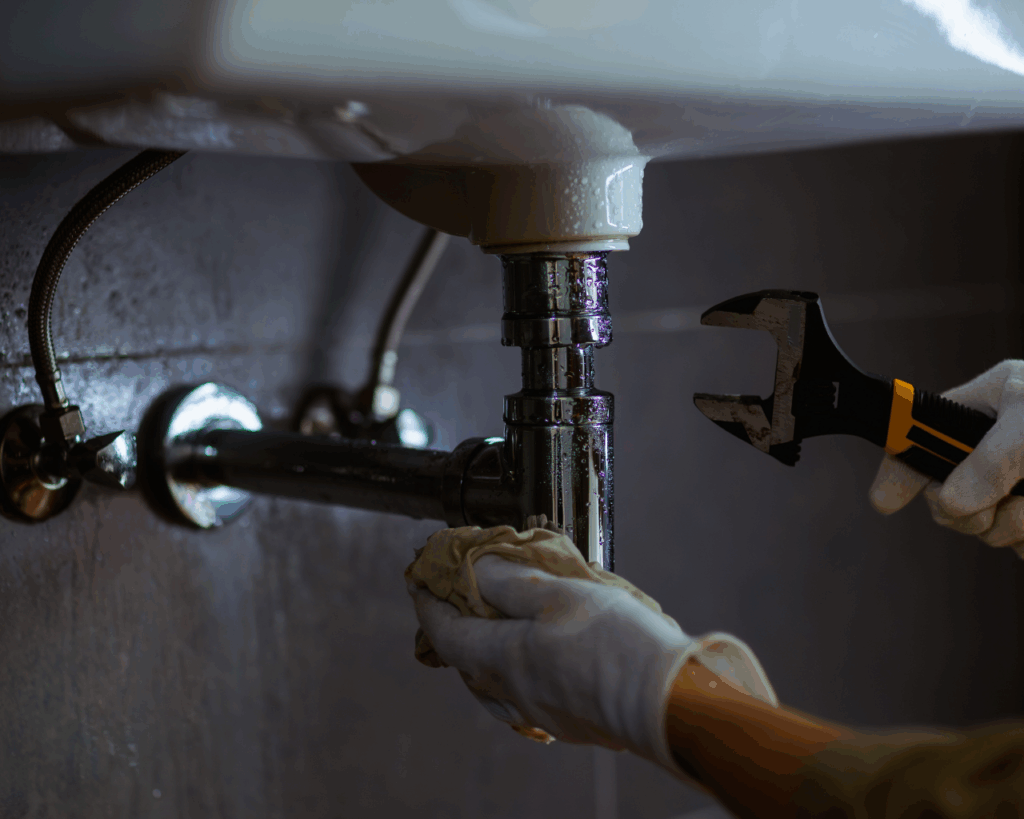
Quick triage: what’s in your garage?
- Water heater (standard tank, tankless, or heat-pump)
- Water softener/conditioner (plus brine tank)
- Washer & laundry standpipe
- Exposed supply lines (along walls/ceiling)
- Floor drain and garage hose bib
Snap a few photos before you start—labels, valve positions, and any exposed piping. If you need help later, those pictures save time.
Step 1: Seal the room before you add heat
Cold air infiltration is the #1 enemy.
- Weatherstrip the big door: Replace brittle bottom seals; add side/top seals if daylight shows.
- Insulate the entry door to the house and fix gaps at the threshold.
- Foam any wall penetrations where pipes pass through (don’t bury valves—leave them accessible).
- Close/cover vents that blow directly on plumbing runs.
Result: a garage that holds whatever heat you give it.
Step 2: Insulate the plumbing (the right way)
- Pipe sleeves on every exposed hot and cold line you can touch—especially near the exterior wall and at the ceiling/door header.
- Elbow covers where 90° turns lose heat fastest.
- Heat cable (thermostatic) for the riser feeding the water heater/softener if the wall is shared with outside air. Follow manufacturer clearances; don’t cross or overlap cables.
- Washer hoses: If they’re rubber, upgrade to braided stainless and add short sleeves where they run across cold surfaces.
Pro tip: Leave unions, shutoffs, and relief valves visible. Don’t wrap so thick you can’t inspect for leaks.
Step 3: Dial in the water heater for winter
Standard gas/electric tanks
- Flush sediment so recovery stays strong in cold weather.
- Check the anode rod; replace if significantly depleted.
- Verify the expansion tank charge to match home pressure; a low charge causes that “mystery TPR drip.”
Heat-pump water heaters (HPWH)
- Mode: In very cold garages, use Hybrid (or Auto) through deep winter for reliable recovery. Full “Heat Pump Only” can struggle below ~40°F ambient.
- Clearance & airflow: Clean the intake filter; give the unit breathing room so it isn’t sucking freezing air off the slab.
- Condensate line: Insulate the first few feet; ensure the trap doesn’t freeze. Route to a drain that won’t ice over.
- Noise/vibration: Cold rubber feet harden—check leveling to avoid thrum against the slab.
If the heater is already acting up (endless lukewarm water, relief valve dripping), book bolded Water Heaters Service for a quick tune and pressure check.
Step 4: Keep softeners and filters alive in freezing temps
- Brine tank: Keep salt above the water line to avoid bridging; break any crust with a broom handle.
- Bypass valve: Exercise it once so you know it turns; leave in service position.
- Heads & housings: Don’t wrap so tight they can’t breathe; instead, create a warm zone (see Step 7).
- Prefilters: Replace cold-brittle cartridges before they crack. Hand-snug only.
If the garage regularly drops below freezing, plan a small heat source (below) rather than mummifying every component.
Step 5: Laundry lines and standpipes—stop winter geysers
- High loop or air gap on the dishwasher (if your laundry sink shares the branch) and a proper air gap/height on the washer standpipe.
- Enzyme dose at night for the laundry branch during heavy use weeks—cuts the detergent gel that grabs lint.
- Standpipe height & trap: Verify code height and a single, vented trap. If you’ve had even one overflow, schedule a hydro-jet clean before the holidays.
If the standpipe starts creeping toward overflow, stop the cycle and call bolded Emergency Plumbing—don’t run a second load.
Step 6: Freeze-smart hose bib and floor drain
- Hose bib: Remove hoses/splitters every time; frost-free bibs need air to drain.
- Insulated cover on the outside spigot, especially on walls behind the garage.
- Floor drain: Pour a cup of water with a splash of biodegradable cleaner to refresh the trap seal; top with a teaspoon of mineral oil to slow evaporation in dry winters.
Step 7: Create a safe “micro-climate” for the plumbing corner
You don’t need to heat the whole garage—just the plumbing zone.
- Thermostatic outlet + oil-filled space heater or heat lamp inside a simple three-sided enclosure (foil-faced foam board works).
- Set to ~40–45°F to prevent freezes without cooking the room.
- Keep 36 in. clearance from combustibles and follow device instructions.
- Consider a smart plug/thermostat so you can check temps remotely.
Step 8: Add early-warning leak sensors
Place battery Wi-Fi sensors:
- Under the water heater, near the softener, and behind the washer.
- Opt for models with temp alerts so you know if that corner dips toward freezing.
- Tie them to notifications on your phone.
Step 9: Pressure makes (or breaks) winter plumbing
Cold increases pressure swings. High static pressure stresses tanks, valves, and hoses.
- Check a hose bib with a pressure gauge.
- Ideal mid-range is comfortable on fixtures; if you’re high, the PRV may need adjustment or replacement.
- Verify the expansion tank matches that pressure to stop TPR drips.
We set both during bolded Water Heaters Service.
What to do if something already froze
- Shut water off at the main if a line bursts.
- Kill power to an electric heater if the tank or fittings are suspect.
- Warm slowly—space heater on low; never open flame.
- Inspect for splits as the ice melts.
- If water appears or the heater won’t recover, go straight to bolded Emergency Plumbing.
A simple winter checklist you can print
- Weatherstrip big door and seal gaps
- Sleeve exposed pipes; add heat cable on risers
- Flush heater; clean HPWH filter; verify expansion tank
- Service softener; top salt; check bypass and prefilters
- Upgrade washer hoses; sleeve and secure lines
- Remove hoses from hose bib; cap/cover outside
- Dose enzymes in laundry/kitchen branches during heavy use weeks
- Place leak/temperature sensors
- Verify home pressure and PRV/expansion settings
- Stage a safe heat source for the plumbing corner
FAQs
Will pipe insulation alone stop freezing?
It buys time, but in single-digit cold a drafty garage still freezes. Pair sleeves with infiltration control and a mild heat source.
Is “Heat Pump Only” mode okay in winter?
In warmer garages, yes. In cold garages, Hybrid/Auto is more reliable so you’re not stuck with lukewarm showers.
Can I wrap the water heater with a blanket?
For older tanks it can help; follow clearances. HPWH units should not be blanketed—restricting airflow hurts performance.
Do I need enzymes forever?
No—use them during heavy cooking/laundry weeks. If slowdowns persist, get a jet + camera and fix the root cause.
Bottom line
If you control drafts, insulate smartly, heat the corner (not the whole garage), and keep pressure in check, your water heater, softener, and laundry lines will ride out Idaho cold without drama. If you want a quick tune or you’re already seeing drips, book bolded Water Heaters Service. For leaks, slow drains, or freezes happening now, tap bolded Emergency Plumbing—we’ll stabilize it today and harden your setup for the rest of winter.