


Why Your Water Pressure Feels Weak in Your Nampa ID Home and What’s Really Going On
Low water pressure is one of those things that creeps up on you.
At first, it’s barely noticeable.
The shower doesn’t feel as strong as it used to.
The kitchen sink takes a little longer to rinse things off.
Filling a pot just feels slower than before.
Nothing dramatic. Just… different.
And because it happens gradually, most people don’t immediately think something’s wrong. You kind of adjust to it.
Until one day you’re in the shower thinking,
“Okay… this is definitely not how it used to be.”
If that sounds familiar, you’re not alone. This is one of the more common issues homeowners in Nampa run into, and the tricky part is figuring out what’s actually causing it.
If you want someone to take a look and pinpoint it, you can start here.
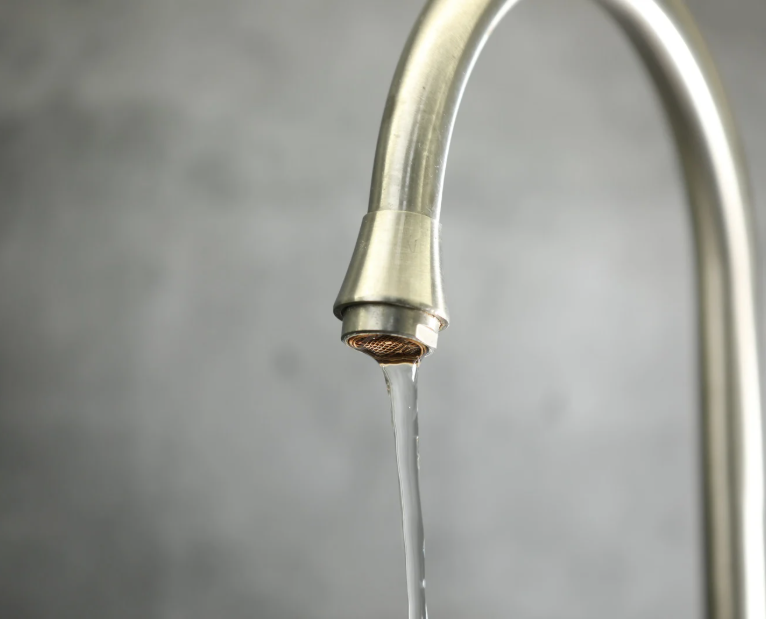
Why low water pressure is easy to overlook
Unlike a leak or a clog, low pressure doesn’t feel urgent.
There’s no water on the floor.
Nothing is overflowing.
Everything technically still works.
It just doesn’t work well.
That’s why people live with it longer than they should. But over time, that small inconvenience usually points to something building up or wearing down behind the scenes.
The most common reasons water pressure drops
There isn’t just one cause. That’s what makes this tricky.
Buildup inside fixtures
This is one of the simplest causes.
Faucet aerators and showerheads collect mineral buildup over time, especially in areas like Nampa where hard water is common.
Those tiny openings start to clog, and suddenly the flow feels weaker.
Sometimes cleaning or replacing the fixture brings the pressure right back.
Buildup inside pipes
This one takes longer to show up.
Minerals slowly collect inside pipes, narrowing the space water flows through.
It doesn’t block it completely, but it reduces how much water can move at once.
So everything still works… just slower and weaker.
Partially closed valves
Sometimes the issue is surprisingly simple.
If your main shutoff valve or a fixture valve isn’t fully open, it can restrict flow.
This can happen after:
Recent plumbing work
Someone adjusting valves
Older valves getting stiff over time
Water heater issues
If the low pressure is only happening with hot water, your water heater might be part of the problem.
Sediment buildup inside the tank can affect flow and performance.
You might notice:
Hot water feels weaker than cold
Hot water takes longer to come through
If that’s happening, this is worth checking.
Hidden leaks
Leaks don’t always show up as water on the floor.
Sometimes water is escaping somewhere you can’t see, which reduces the pressure reaching your fixtures.
This is less common, but it’s something to consider if pressure drops suddenly.
What it usually looks like in real life
Most homeowners don’t describe it in technical terms.
They say things like:
“My shower just doesn’t feel the same anymore.”
“It takes forever to fill anything.”
“The kitchen sink feels weak compared to before.”
That’s the real version of low pressure.
Not broken. Just noticeably worse.
How to narrow down the cause
Before jumping to conclusions, a few simple checks can help.
Is it happening everywhere or just one spot
If it’s just one faucet or shower, it’s likely a fixture issue.
If it’s happening throughout the house, it’s probably something deeper in the system.
Is it only hot water
If cold water pressure is fine but hot water is weak, the water heater is likely involved.
Did it change suddenly or slowly
Slow changes usually point to buildup.
Sudden drops could mean a valve issue or something more immediate.
What you can try first
Clean the aerators
Unscrew the tip of your faucet and rinse out any debris.
You’d be surprised how often this alone improves pressure.
Check visible valves
Make sure valves under sinks and near your main line are fully open.
Compare different fixtures
This helps you understand if it’s isolated or system wide.
When it’s more than a quick fix
If you’ve checked the basics and it still feels off, it’s probably not just a surface issue.
That’s when it could be:
Pipe buildup
Water heater sediment
A developing plumbing issue
And those are the kinds of problems that don’t fix themselves.
Why this is common in Nampa homes
Between mineral content in the water and normal wear over time, pressure issues tend to show up gradually.
It’s not usually something you did wrong.
It’s just what happens when plumbing systems age and deal with the same water conditions every day.
When to call a plumber
You don’t have to wait until it gets worse.
But it’s worth calling if:
Pressure keeps getting weaker
Multiple fixtures are affected
Hot water pressure is noticeably lower
You’ve already tried basic fixes
You can schedule service here.
What A Plus usually checks
Most homeowners just want a clear answer.
“Why does my pressure feel low, and how do we fix it?”
A typical check includes:
Looking at fixtures and aerators
Checking valves
Evaluating water heater performance
Looking for signs of buildup or restriction
Frequently asked questions
Why did my water pressure drop over time
Usually due to mineral buildup or normal wear inside the system.
Can low pressure fix itself
Not really. It usually stays the same or gets worse.
Is this a common issue in Nampa
Yes, especially with hard water and older plumbing systems.
Should I replace fixtures first
If it’s isolated to one fixture, yes. If it’s everywhere, look deeper.
Final thoughts
Low water pressure is easy to live with for a while.
You adjust. You work around it. You tell yourself it’s not a big deal.
But once you notice it, it’s hard to un-notice it.
And most of the time, there’s a reason behind it.
Whether it’s buildup, wear, or something starting to develop, it’s worth figuring out before it turns into a bigger issue.
Because when your water pressure is back to normal, it’s one of those things you immediately feel every single day.