


Rental Turnover Plumbing: Fast Checks That Keep Security Deposits Intact
Turnovers are where little plumbing problems turn into big costs—and disputes. A slow fill valve, a stuck angle stop, or an over-pressurized house can snowball into leaks, odor complaints, and “you left it that way” texts. Here’s a quick, repeatable turnover routine that protects your units, your tenants, and your deposit accounting.
If something is already leaking or a toilet won’t stop running, book Emergency Plumbing. Want a bundled, per-door plan with photos and documentation? Ask about our landlord program through All Services.
Free resource: Your local housing authority’s rental maintenance checklist is a good companion to this guide (look for their downloadable PDF with seasonal tasks and safety items).
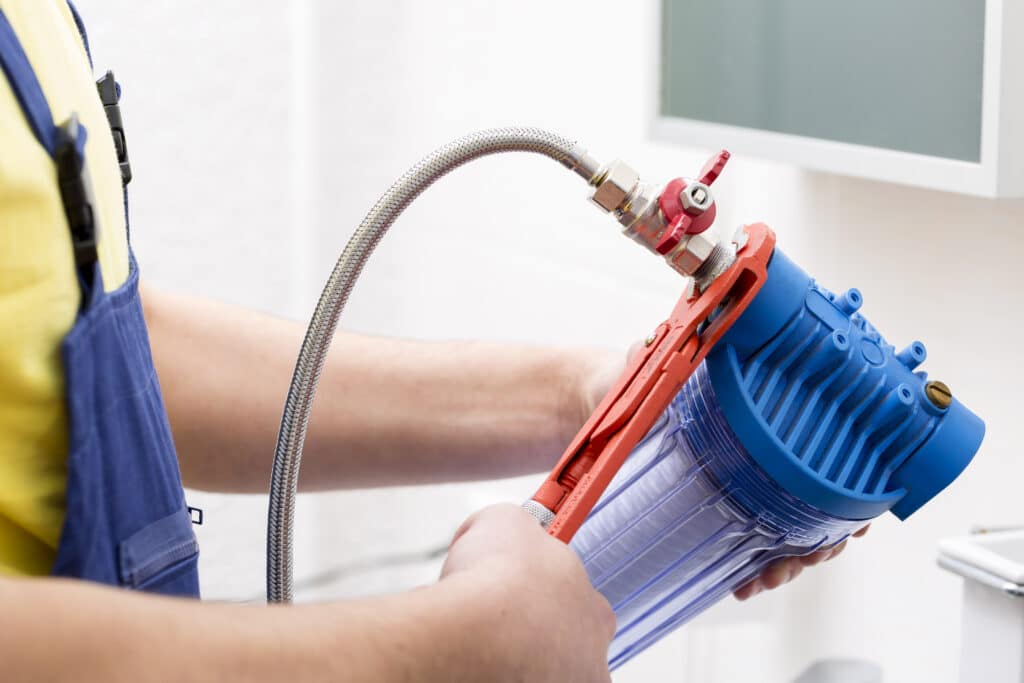
Your 20-Minute Pre-Walk Kit
Hose-bib pressure gauge (with red “max” needle)
Dye tabs (toilet leak tablets)
Pliers + adjustable wrench
Vinegar or descaler cup for aerators
Flashlight, phone for photos, a few braided stainless supply lines
1) PRV & Pressure: The Silent Fixture Killer (5 minutes)
High static pressure quietly ruins fill valves, cartridges, and supply lines. Quick test:
Thread a gauge onto an exterior hose bib. Ensure no water is running.
Open the bib; read static PSI (note the red “max” needle).
Open a faucet indoors and watch dynamic PSI under flow.
If static is consistently high or the “max” needle climbs on its own, schedule a PRV adjustment/replacement and verify the expansion tank at the water heater.
Landlord tip: Photograph the gauge reading and save it to the unit’s maintenance log. It’s documentation if a later claim involves “sudden” fixture failure.
2) Angle Stops: Can You Actually Shut Water Off? (3 minutes per bath/kitchen)
Tenants and handymen can’t control a leak if the angle stop is frozen.
Gently turn each quarter-turn valve (toilets, lav faucets, kitchen).
If it sticks, sweats, or weeps, replace it now—don’t wait for the next emergency.
Confirm escutcheons and valves aren’t leaking into cabinets or walls.
3) Supply Lines: Replace the “Time Bomb” Hoses (2–3 minutes each)
Swap old plastic or rubber lines for braided stainless at:
Toilets (tank to stop)
Lav/kitchen faucets
Dishwasher and fridge/ice maker
Check for kinks, corrosion at the ferrules, and mismatched lengths. Hand-tight plus a cautious quarter-turn is plenty; over-tightening splits gaskets.
4) Aerators & Flow: Low Flow ≠ Clogged Drain (5 minutes total)
Many “slow sink” complaints are just scaled aerators.
Unscrew aerators; soak in vinegar 10 minutes.
Rinse, reassemble, and verify an even spray.
For stubborn buildup, replace inserts—cheap and fast.
Document before/after flow with a quick video; it ends debates later.
5) Toilets: Dye-Tab Test + 60-Second Tune
Running toilets destroy water budgets and deposit math.
Drop a dye tab in the tank, don’t flush for 10 minutes. Color in the bowl = flapper leaking.
Set the chain with slight slack; ensure the fill level sits ~½–1″ below the overflow.
If the valve chatters or hisses, install a quiet-fill replacement.
Replace brittle tank bolts and corroded supply washers.
Log the result and parts replaced per toilet.
6) Water Heater Corner: Quick Safety & Expansion Check (4 minutes)
Inspect the pan and TPR discharge line for moisture.
Tap the expansion tank—if it’s water-logged (no hollow sound), note for replacement.
Verify visible gas/electric connections look clean (no scorch, no melted wire insulation).
If you can, match the tank’s air charge to house pressure (we handle this during service).
A healthy heater stops “mystery” pressure spikes that pop new toilet parts.
7) Kitchen Essentials: Air Gap/High Loop, Disposal, and Trap
Confirm the dishwasher air gap is clear (or the drain hose has a high loop to the underside of the counter).
Run the disposal with cold water; listen for grinding or hum-only. Reset if needed.
Peek at the P-trap and wall arm for weeps and corrosion; hand-tighten slip nuts if loose.
8) Laundry & Standpipe: The Overflow You Can Prevent
Ensure the standpipe height is correct and the trap is present.
Run a rinse cycle; watch for surging or backsplash.
Replace old rubber washer hoses with braided stainless and add hammer arrestors if the building is noisy.
9) Quick Leak Confirmation: The 2-Minute Meter Test
Before you leave:
Make sure everything is off.
Watch the meter’s leak indicator (triangle/star).
If it twitches or spins, something is running (often a toilet or irrigation).
Close the main briefly to confirm the leak is in the unit vs. the yard line.
If the indicator won’t settle, book All Services for a targeted find; if water is actively escaping, call Emergency Plumbing.
10) Photos, Labels, and Tenant Handoffs (saves arguments)
Label the main shutoff and show it in your welcome sheet.
Photograph: PRV reading, under-sink valves/lines, toilet internals, heater pan, dishwasher air gap.
Keep a simple turnover checklist on file with dates, parts swapped, and your signature.
Good documentation accelerates deposit reconciliation and reduces disputes.
Optional Add-Ons That Pay Off in Multi-Unit
Leak sensors: Under sinks and at heaters—cheap alerts that prevent cabinet damage.
Two-way cleanouts (if missing): Faster, cheaper future service.
Strainers in all kitchen sinks: Prevents “mystery” clogs that end up as after-hours calls.
Landlord Maintenance Plan (what we include)
Ask us to tailor a per-door plan that typically covers:
Turnover visit (pressure test, valves/lines, dye-tabs, aerators, disposal check)
Annual PRV + expansion tank set with documented PSI readings
Preferred scheduling windows between tenants
Photo report per unit for your records (great for deposit files and insurance)
Priority emergency response for active leaks
Bundle pricing beats one-off calls, and your portfolio gets consistent documentation.
FAQs
What’s a “good” house pressure for most rentals?
Around the mid-50s PSI is usually ideal—comfortable for tenants, gentle on parts. If you’re regularly over that, plan a PRV service.
My standpipe overflows only on “heavy” loads—why?
Detergent gel and lint narrow the line. A quick hydro-jet of the laundry branch usually fixes it, and we’ll confirm trap/height.
Tenants say the kitchen “smells” after the dishwasher.
Often a missing air gap or no high loop lets sink water backflow. We’ll correct the routing and clean the baffle/aerator.
Can I pass these maintenance costs to the deposit?
Preventive turnover work is typically an owner expense, but documented misuse (damaged stops, broken seats, grease clogs) may be billable—check your lease and local regulations.
Bottom line
A fast, standardized plumbing walk keeps turnovers calm, protects finishes, and gives you clean documentation when deposits are on the line. Start with pressure, stops/lines, toilets, and a meter check—then hand off anything iffy to our team.
Need it done this week—or have a unit that can’t wait? Book a portfolio-friendly visit via All Services. If water is on the floor, call Emergency Plumbing and we’ll stabilize it now.