


What a Sewer Camera Inspection Actually Shows and When You Need One in Nampa ID
Most plumbing problems feel like a guessing game at first.
Your drain is slow.
Something smells off.
Water backs up once, then seems fine again.
You know something isn’t right, but you can’t see what’s going on inside the pipes. So you’re left trying to figure it out from the outside.
That’s where a sewer camera inspection comes in.
Instead of guessing, it lets you actually see what’s happening inside your plumbing system.
And for a lot of homeowners in Nampa, that’s the moment everything finally makes sense.
If you’re dealing with a problem that keeps coming back and want a clear answer, you can start here.
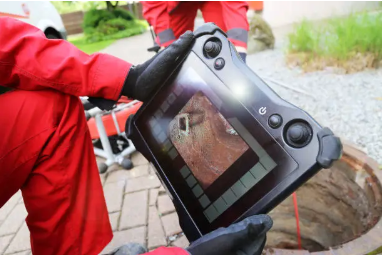
What a sewer camera inspection really is
It’s exactly what it sounds like.
A small, waterproof camera is fed into your drain or sewer line. As it moves through the pipe, it sends a live video feed back to the technician.
Because of that, you’re no longer guessing what might be causing the issue.
You can actually see:
Where the problem is
What the problem looks like
How serious it is
That alone makes a big difference in how the problem gets handled.
Why this matters more than people think
Without a camera, most plumbing work starts with an educated guess.
Sometimes that works. Other times, it leads to temporary fixes that don’t solve the real issue.
With a camera inspection, you’re working with actual information.
So instead of asking,
“What do you think it is?”
You’re asking,
“What are we looking at?”
That shift alone can save time, money, and repeat problems.
What plumbers actually see during an inspection
This is where it gets interesting.
Buildup inside the pipe
One of the most common findings is buildup.
Grease, soap, and debris can collect along the pipe walls over time. Even if water is still flowing, the pipe may be much narrower than it should be.
That’s often the reason behind slow drains and recurring clogs.
If buildup is the issue, this is usually the next step:
Drain Cleaning Services
Tree root intrusion
In some cases, roots from nearby trees find their way into sewer lines.
They enter through small cracks and continue growing inside the pipe.
At first, it may just slow things down. Over time, it can cause major blockages.
This is something you can’t diagnose from the outside, which is why the camera makes such a difference.
Cracks or damaged pipe sections
Sometimes the problem isn’t buildup at all.
Pipes can crack, shift, or collapse over time, especially in older systems.
When that happens, water flow is disrupted and problems start showing up above ground.
Without a camera, this kind of issue is easy to miss.
Standing water inside the line
A camera can also reveal sections where water is sitting instead of flowing.
This usually points to a slope or alignment issue in the pipe.
And while it may not cause immediate backups, it often leads to ongoing problems.
When a camera inspection makes the most sense
Not every situation needs one.
However, there are times when it’s the smartest move.
Recurring clogs
If you’ve cleared the same drain multiple times and it keeps coming back, there’s usually a deeper reason.
A camera helps find it instead of repeating the same fix.
Slow drains that never fully improve
Sometimes a drain works, but never feels right.
That usually means something is still restricting flow.
Before major repairs
If you’re being told you might need a bigger repair, it makes sense to confirm what’s actually going on first.
A camera inspection gives you that clarity.
Buying or selling a home
In some cases, inspections are used to check the condition of sewer lines before closing.
It’s one of those things people don’t think about until it becomes important.
Why guessing can cost more in the long run
It’s easy to try quick fixes first.
And sometimes that’s fine.
However, when a problem keeps coming back, guessing becomes expensive.
You end up:
Fixing the same issue multiple times
Paying for repeat service calls
Dealing with the same frustration again and again
A camera inspection cuts through that.
It shows you exactly what’s happening so you can fix it once.
What not to assume
Don’t assume the problem is always where you think it is.
A slow kitchen sink might actually be connected to a deeper issue in the main line.
At the same time, don’t assume every issue is major.
Some problems look worse than they are, and a camera can confirm that too.
What happens after the inspection
Once the issue is identified, the next step becomes clear.
For example:
Buildup → cleaning
Roots → removal and repair
Damage → targeted repair
Minor issue → simple fix
Instead of guessing, you’re making decisions based on what’s actually there.
When to call for one
It’s worth considering if:
The same problem keeps returning
You’re dealing with slow or inconsistent drainage
You suspect a deeper issue
You want a clear answer before moving forward
You can schedule service here.
What A Plus usually focuses on
Most homeowners want one thing.
Clarity.
A typical inspection focuses on:
Finding the exact problem
Explaining what’s being seen
Recommending the best next step
Avoiding unnecessary work
That way, you’re not fixing symptoms. You’re fixing the actual cause.
Frequently asked questions
Is a sewer camera inspection necessary
Not always, but it’s extremely helpful for recurring or unclear issues.
Can it find every problem
It can identify most structural and blockage-related issues inside the pipe.
Is it messy
No. It’s a clean and controlled process.
Is this common in Nampa
Yes, especially for recurring drain and sewer line problems.
Final thoughts
Plumbing problems are frustrating mostly because you can’t see what’s happening.
You’re left guessing, trying fixes, and hoping it works.
A sewer camera inspection changes that.
It takes something hidden and makes it visible. And once you can see the problem, fixing it becomes a lot more straightforward.
If you’re tired of dealing with the same issue without a clear answer, this is usually the step that makes everything click.