


Spring Roots Are Coming: Camera-First Sewer Checks That Prevent Costly Digs
When snow melts and the first warm days hit the Treasure Valley, trees wake up hungry. New root growth hunts for moisture—and if your sewer lateral has even a hairline opening at a joint, those roots will find it. The result isn’t always dramatic at first. You’ll hear a toilet “burp” after a shower. A floor drain surges when the washer dumps. Things seem fine…until a spring storm or a weekend of laundry stacks the flow and the line finally chokes.
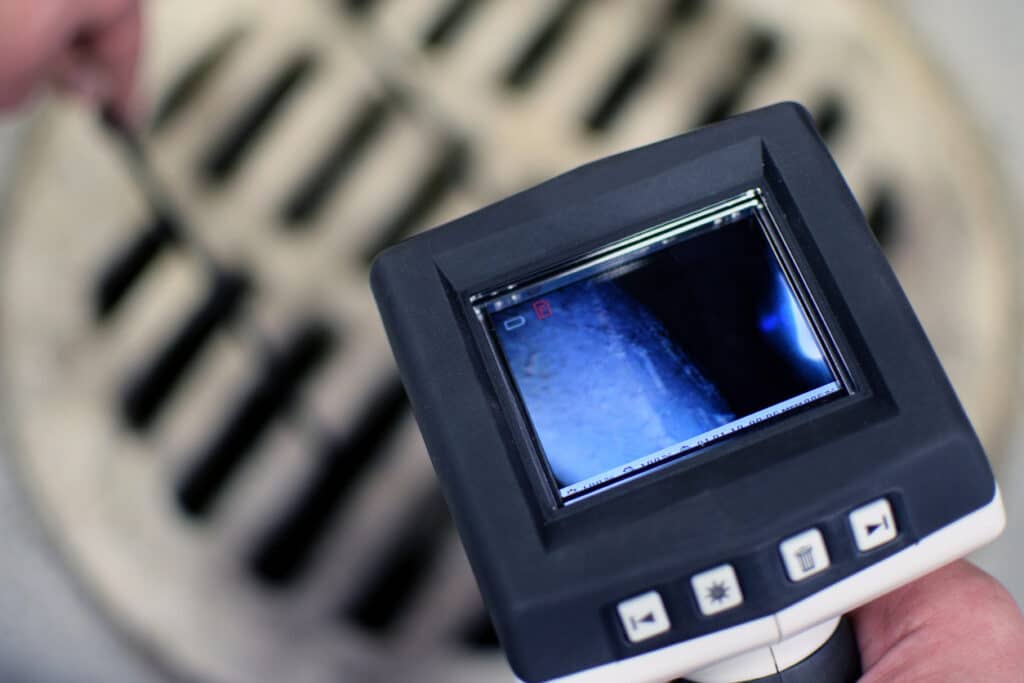
Here’s the good news: you can get ahead of root season with a camera-first inspection. One short visit can tell you exactly where roots are getting in, how your pipe is built (clay, Orangeburg, PVC), and what fix avoids needless digging. This guide explains why spring is prime time for roots, why a cable alone doesn’t solve the problem, and how a camera + jet + trenchless plan saves you thousands versus guess-and-dig repairs.
If you’re already seeing slowdowns or gurgles, start with a clear + inspection through Drain Cleaning. If the camera shows offsets, root mats, or bad joints, we’ll map trenchless options under Sewer Repair the same visit.
Free resource: NASSCO’s homeowner pages explain CCTV sewer inspections in plain language—what a good video shows and how to interpret footage (great background before you shop bids).
Why spring is “root season” for sewers
Moisture gradients pull roots to joints. Winter leaves soil pockets drier in certain layers. As trees wake up, the strongest moisture gradient often exists at tiny leaks in sewer joints—a perfect invitation.
Lines are already stressed. Cold weather narrows pipes with grease and detergent film. When spring laundry and showers stack up, flow peaks before you’ve cleared that winter buildup.
Stormwater adds pressure. Even if your lateral isn’t a storm line, infiltration raises groundwater around the pipe. Seeping joints pull more roots inside and paper hangs on the root hairs, accelerating clogs.
Cable clears vs. real fixes (and why backups return)
A cable (“rooter”) drills a hole through a root mass. It’s quick relief, not a repair. The remaining root hairs hold paper like Velcro, the hole closes, and you’re back where you started—often faster each time.
The permanent path looks different:
Camera the whole run (cleanout to city tap or septic inlet).
Hydro-jet with the right nozzle to remove root fibers and biofilm and prep the surface.
Choose a targeted fix—point repair, full-length liner, or pipe bursting—based on what the camera proves about your pipe’s structure.
What a camera-first visit includes (done right)
Full-length video with distance counter and on-screen labels.
Locate & mark: We mark exact spots at the surface (depth and distance) so you can compare apples-to-apples when you get bids.
Material changes noted: Clay to PVC transitions are common near the house; Orangeburg pops up in mid-century areas.
Defect map: Roots at 18–22 ft? Minor offset at 41 ft? Shallow belly at 63 ft? You’ll have a list—not just a “we saw roots.”
From there, we can talk about real options—not guesses.
What your footage is telling you (and what to do about it)
Fine white root hairs at joints (clay)
Meaning: Joints are open but the barrel is still solid.
Plan: Jet to clean; install a liner (CIPP) over the jointed section to stop root entry. If one joint is the culprit, a point liner can seal just that spot.
Thick root mat with paper hung up (clay or Orangeburg)
Meaning: Advanced root intrusion; often with a slight offset.
Plan: Jet to bare wall; if clay is otherwise sound, full-length liner. If Orangeburg shows ovalizing or blisters, skip lining and pipe burst to PVC.
Single bad PVC joint or cracked fitting
Meaning: Install issue or settlement.
Plan: Point liner or short spot dig to replace the defective section; verify bedding so it doesn’t recur.
Long, flat “belly” holding water
Meaning: Settlement or poor original slope.
Plan: Lining won’t fix a sag. Choose a short open-cut correction or a burst with grade reset across the low section.
Scale/mineral + grease (kitchen tie-in area)
Meaning: Film narrows diameter and catches fibers.
Plan: Degreasing jet and add a light maintenance cadence (12–18 months for typical homes; 6–12 for heavy cooks).
The spring playbook (so you don’t dig blind)
Book a camera-first clear. We restore flow with a jet (not just a cable), then run the camera while the line is truly clean.
Map and mark. You’ll get distance, depth, and photos of surface marks.
Choose the least-invasive permanent fix based on pipe material and structure:
Clay + joint roots: Prep, then liner (point or full length).
Orangeburg with deformation: Pipe bursting to SDR PVC—fast and durable.
PVC joint crack: Point liner or spot dig with proper bedding.
Belly: Open-cut grade correction for that segment.
Add cleanouts if missing. Two-way cleanouts near the structure make future service cheaper and faster.
“Can’t we just schedule annual root cutting?” (Sometimes—here’s when)
A maintenance plan can make sense if:
Your clay pipe is otherwise healthy and you’re not ready to line yet.
Roots are fine and sparse, not tearing gaskets or displacing bells.
You understand it’s rent, not a mortgage—you’ll keep paying.
If you’re cutting more than once a year or backups come with every first spring storm, maintenance is false economy. Seal the entry (liner) or replace the bad pipe and be done with it.
Trenchless options in plain language
Point repair (spot liner):
Seals one joint or short crack from inside the pipe. No yard excavation. Ideal for PVC joint leaks or a single clay joint with early intrusion.
CIPP lining (full or sectional):
A resin sleeve is inverted into the cleaned pipe and cured, forming a smooth, jointless pipe inside your old one. Perfect for jointed clay with multiple minor intrusions and no major sags.
Pipe bursting:
A bursting head splits soft, deformed pipe (e.g., Orangeburg) while pulling in new PVC. Small access pits, minimal surface disruption. Great when the barrel is compromised.
Short open-cut:
Still the best tool for bellies, severe offsets, or where utilities block trenchless paths. Targeted, not whole-yard.
We’ll recommend the smallest intervention that solves the problem the first time.
Signs you should schedule before the first mower pass
Toilets burp after tubs drain.
Floor drain surges during laundry.
You’ve had one or more “temporary clears” in the last year.
Your yard has soft, always-damp spots along the sewer path.
The cleanout cap shows toilet paper “confetti.”
Book a camera now and you’ll pick your repair window—not the backup.
What a solid proposal looks like (so you can compare bids)
Link to the actual video + stills at each defect
A defect table with footages, depths, and recommended remedies
Access plan (pits/cleanouts), surface restoration, and traffic/utility notes
Clear warranty terms on materials and workmanship
Permits/inspections included
If a bid doesn’t reference your video timestamps and depths, it’s guessing.
Homeowner FAQs
Will a liner make my pipe smaller?
A little, but the interior becomes smooth and jointless. Flow typically improves versus rough, root-choked clay.
Is pipe bursting safe near utilities or roots I want to keep?
We locate utilities and use controlled depth/pit placement. Where clearance is tight, we’ll switch to a short open-cut for that section. As for trees, trenchless options are typically more root-friendly than open trenches.
Can tree removal solve root intrusion?
It stops future pressure, but the roots inside the pipe remain. You still need to seal or replace the sections that leak.
How often should I maintain after a liner or burst?
Most lined or replaced lines need no routine cutting. We still suggest a camera check every few years, especially if other fixtures tie in upstream.
A simple timeline that keeps spring calm
Week 1: Camera + jet + map. Decide on liner, burst, point repair, or short dig.
Week 2–3: Schedule work before spring lawn and patio projects kick into gear.
Same day: Most trenchless repairs restore service same day, with yard surfaces protected.
Case example (Boise, mid-century clay)
Symptoms: toilet burp, occasional kitchen slowdowns every spring. Camera showed fine roots at three clay joints and a minor offset near the sidewalk. We jetted, installed two point liners over the worst joints, and used a short open-cut to correct the offset while adding a two-way cleanout. Zero backups through summer storms, and no more seasonal cable calls.
Bottom line
Spring root growth is predictable—and preventable. A camera-first inspection tells you exactly where the problem lives and which least-invasive fix will hold: jet + point liner, full-length liner, pipe burst, or a short grade correction. Do it now and you’ll protect landscaping, skip emergency digs, and stop paying rent to the roots.
Ready to see what’s really in the line? Schedule a camera-first visit through Drain Cleaning and ask for a trenchless options review with Sewer Repair. We’ll bring the jetter, record the footage, mark the spots, and give you a clear, no-surprises plan.