


Water Line Leak in Your Yard in Nampa ID Signs Homeowners Miss Until the Bill Spikes
Most yard problems look innocent at first.
A patch of grass that is weirdly green. A soft spot you notice when you take the trash out. A little puddle that shows up even though it has not rained.
A lot of people shrug it off. Maybe it is sprinklers. Maybe it is snowmelt. Maybe the dog is doing dog things.
But when a yard stays wet, or your water bill jumps for no obvious reason, one of the first things to rule out is a water line leak.
In Nampa and the Treasure Valley, water line leaks are more common than most homeowners realize, and they often start quietly. The good news is that early signs are usually easy to spot once you know what to look for.
If you suspect the leak is on your property side and you want it handled professionally, start here:
Water Line Repair
If you are not sure yet and want a pro to help you confirm what is going on, start here:
Contact A Plus Drain Cleaning and Plumbing
What counts as a water line leak
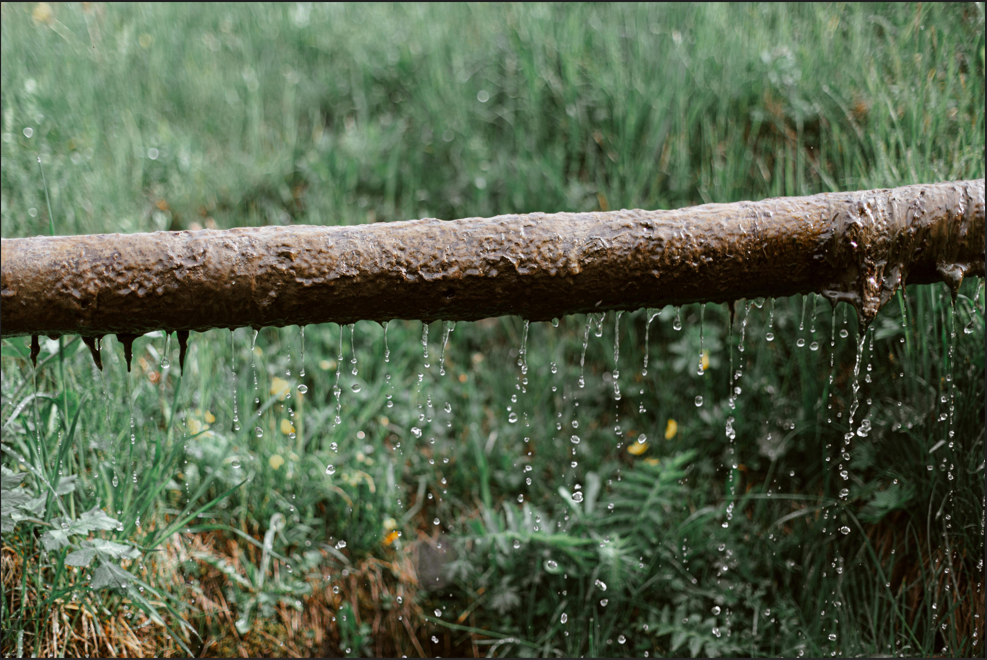
When we say water line leak, we are usually talking about the pipe that brings clean water from the meter to your home.
That pipe is typically buried. Which means leaks are not always dramatic. They can be slow, steady, and hidden until the symptoms become too obvious to ignore.
A leak can happen because of age, shifting soil, freezing conditions, corrosion, a damaged fitting, or even past work in the yard that nicked the line.
Sometimes it is a slow seep. Sometimes it is a crack that suddenly opens up and starts dumping water.
Either way, you want to catch it early, because water does not just disappear. It either shows up in your yard, under your driveway, under your foundation, or on your bill.
The most common signs of a water line leak in your yard
You have wet spots that do not match the weather
This is the classic one.
If a section of your yard stays wet when everything else is dry, or you keep getting puddles in the same area, that is a red flag.
A lot of homeowners assume sprinklers first, which is fair. But if you turn the irrigation off for a day or two and that spot stays wet, it is time to look deeper.
Pay attention to areas near:
The water meter
The path from the meter to the house
Driveway edges
Side yards where lines often run
Your grass is suddenly extra green in one strip or patch
Leaks feed the soil constantly. That can create a bright green stripe or unusually healthy patch of grass compared to the rest of the yard.
If you have one area that looks like it is thriving while everything else looks normal, it is worth checking.
The ground feels soft or spongy
If you step somewhere and it feels like the ground is giving way, or you can feel that squishy sponge feel, you might be standing over a leak.
Sometimes homeowners notice this near the sidewalk or driveway first, because the soil becomes saturated and unstable.
You hear hissing near the meter or in the yard
This one catches people off guard.
If you stand near the meter or along the suspected line path and hear a faint hissing sound, especially when no water is running inside, it can indicate pressurized water escaping underground.
Not every leak makes noise, but when it does, it is a strong clue.
Your water bill jumps for no clear reason
A sudden increase in your bill is one of the biggest signals.
The EPA has a helpful resource on household leaks and how common they are, plus why checking for them matters.
Even a small leak can waste a surprising amount of water over time. And when the leak is in the main line to the home, it can run constantly.
Your water pressure drops across the whole house
Low pressure can be caused by multiple things, but a water line leak is one of the important ones to rule out.
If your shower feels weak, multiple faucets seem slower, or pressure changes happened suddenly, it is worth checking the meter for movement and looking for yard signs.
If you have not read it yet, this pairs well with the blog we just wrote:
Low Water Pressure in Nampa ID
If you want to link it on your site, we can add the exact internal URL once it is published.
Cracks or shifting near concrete
This is not always a leak, but it can be related.
If water saturates soil under a walkway or driveway, it can contribute to settling. You might notice small cracks, uneven edges, or areas that feel like they are sinking.
Again, not always the cause, but it is a sign that water is changing what the soil is doing.
Quick checks you can do at home without tools
You do not need to dig, and you do not need special equipment to do a few smart checks.
Check 1 Turn everything off and watch the water meter
This is one of the best tests.
Turn off all water inside the home.
No faucets.
No toilets refilling.
No dishwasher.
No laundry.
No ice maker if you can pause it.
Then go look at your water meter.
Many meters have a small leak indicator dial that moves when water is flowing. If that dial is moving while everything is off, that often indicates a leak somewhere.
If it is moving and you cannot find any indoor signs, that is when you start taking yard leaks seriously.
Check 2 Shut off the home side valve if you have one
Some setups allow you to shut off water after the meter. If you shut off the valve feeding the home and the meter still shows movement, the leak may be between the meter and the shutoff. That is a strong sign the buried line is leaking.
If you are not sure how your setup works, do not force valves. We can help identify it safely.
Check 3 Confirm it is not irrigation
Turn off irrigation and give the yard a day to dry.
If the wet spot stays wet, or returns quickly, it is less likely to be sprinklers.
If you suspect a sprinkler leak, that is a different lane. But if the wet spot is near the meter or in a straight path toward the house, the main line is back on the table.
What not to do when you suspect a water line leak
Do not start digging blindly
It is tempting. People want to find it and fix it right now.
The problem is that you can easily make it worse by hitting the line, damaging a fitting, or digging in the wrong place.
A proper diagnosis saves time and prevents extra damage.
Do not ignore it because the yard looks fine most days
Leaks do not always create a swamp.
Sometimes they drain into gravel or a slope.
Sometimes they run under concrete.
Sometimes the water travels along the pipe trench and shows up far from the actual break.
If your bill is up and the meter indicates movement, trust the meter more than the grass.
Do not assume it is normal seasonal moisture
Yes, Nampa winters and spring runoff can keep soil damp.
But a leak is often consistent in one spot, and it does not care what the weather is doing.
The pattern matters.
Why water line leaks happen in the Treasure Valley
There is rarely one single reason, but these are common contributors:
Cold snaps and freeze cycles that stress buried lines
Soil movement and settling over time
Older pipe materials or aging connections
Damage from landscaping work or fence posts
Construction and grading changes that stress lines
Even a small nick in a pipe can grow over time, especially under constant pressure.
When to call a pro right away
You do not have to call for every damp patch, but there are some situations where waiting usually costs more.
Call sooner if:
Your meter shows movement when water is off
Your water bill jumped noticeably
You see water pooling near the meter box
You have low pressure across the whole home
Your yard is soft and sinking in one area
You suspect the leak is under concrete or near the foundation
If that is where you are at, start here:
Water Line Repair
How A Plus handles water line leak problems
Homeowners usually want two things.
A real answer and a clean fix.
A typical water line service process often includes:
Confirming the leak signs with meter checks and inspection
Locating the likely line path from meter to home
Narrowing down the leak location without unnecessary digging
Making the repair with the right materials and connections
Testing pressure and flow after repair
Explaining what caused it and how to reduce repeat risk
If you want to book service or ask a quick question first, here is the contact page.
How to prevent water line leaks from becoming a repeat problem
Some leaks are just bad luck, but there are a few practical steps that help.
Know where your water line runs
If you are doing landscaping, planting trees, or installing a fence, it helps to know where the line likely runs so you do not accidentally damage it.
Avoid planting aggressive root trees near the line path
Roots look for water. While roots are more famous for sewer line issues, they can still mess with underground pipes and soil conditions.
Pay attention to pressure changes
A pressure drop is often an early clue. Even if it is not a leak, it is a signal that something changed.
Check your bill patterns
A lot of people only look when the bill is already huge. Even a quick glance each month can catch problems earlier.
The EPA has great leak awareness resources that are easy to reference in homeowner content.
Frequently asked questions
Can a water line leak go away on its own
Not really. It might seem better for a bit if the soil shifts or the water finds a different path, but the leak is still there.
Will a water line leak always make a puddle
No. Water can travel underground and show up away from the break, or it can drain into gravel and never puddle on the surface.
Is low water pressure always a leak
No. Low pressure can also come from valve issues, regulators, buildup, or fixture problems. But it is important to rule out leaks, especially when the meter shows movement.
If my yard is wet, how do I know it is not sprinklers
Turn off irrigation and watch the spot for a day or two. If it stays wet and your meter indicates movement with water off, the main line becomes much more likely.
Final thoughts
A water line leak is one of those problems that is easy to miss at first and expensive to ignore later.
If you notice wet spots that do not dry up, soft ground, a suspiciously green patch, rising water bills, or low pressure across the house, it is worth checking the meter and taking the signs seriously.
If you are in Nampa or anywhere in the Treasure Valley and you suspect a water line leak, the simplest next step is to have it evaluated and repaired before it turns into a bigger excavation or property damage situation.