


Why Does My Bathroom Sink Smell Like Sewer?
It started with the toilet.
At least, that was where one homeowner in Nampa thought the smell was coming from.
She cleaned it.
Then cleaned it again.
The bathroom smelled fresh for most of the afternoon, so she figured the problem was handled.
The next morning, the smell was back.
Not strong enough to fill the entire house.
Just enough to notice when she walked into the bathroom.
So she cleaned the floor.
Emptied the trash.
Washed the bath mat.
Scrubbed around the toilet.
She even checked behind it because maybe something had gotten wet back there.
Nothing.
Everything looked clean.
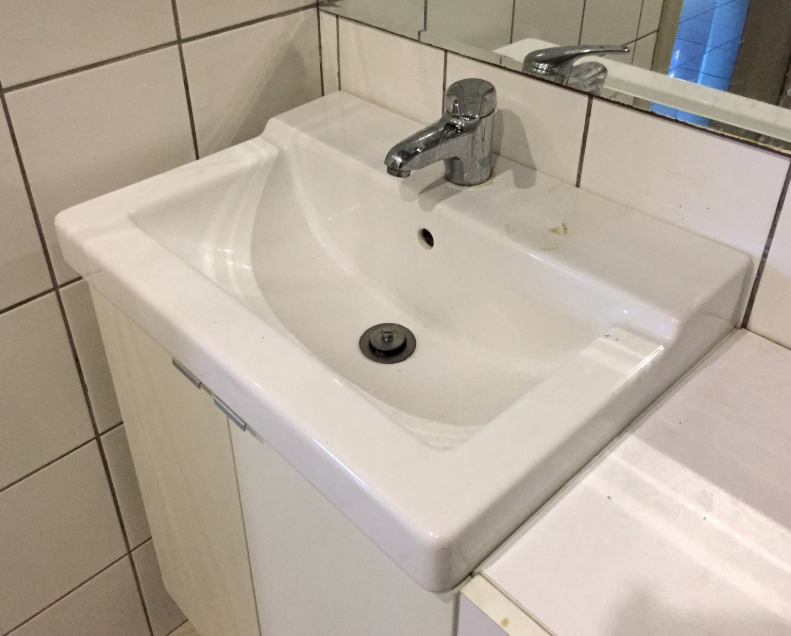
A few days went by like this before she happened to lean over the bathroom sink while brushing her teeth.
There it was.
That same unpleasant smell.
Only stronger.
She leaned closer to the drain.
“Seriously?”
After spending days blaming the toilet, the smell appeared to be coming from the sink.
That’s the strange thing about bathroom odors.
Where you smell them isn’t always where you expect them to start.
And when a bathroom sink smells like a sewer even though the basin itself is spotless, cleaning the surface one more time probably isn’t going to solve much.
Sometimes the drain needs attention.
Other times, the smell is giving you a clue about something else happening in the plumbing.
If your bathroom sink has started smelling strange and regular cleaning hasn’t helped, A+ Drain Cleaning and Plumbing can help figure out what’s going on.
A Clean Sink Can Still Have a Dirty Drain
This is where the confusion usually begins.
You can scrub a bathroom sink until it shines.
The faucet looks clean.
The basin looks clean.
There isn’t toothpaste stuck anywhere.
No hair around the drain.
Nothing looks wrong.
Then you walk into the bathroom the following morning and smell something unpleasant again.
The reason is pretty simple.
You can see the sink.
You can’t see very far into the drain.
And those are two different places.
A bathroom drain deals with quite a bit during an ordinary week.
Soap.
Toothpaste.
Hair.
Shaving products.
Skin oils.
Whatever gets washed from our hands and faces.
Most of it disappears without causing trouble.
Some of it doesn’t.
Small amounts can collect inside the drain over time, particularly when they combine with hair and soap residue.
Eventually, that buildup can develop an odor.
The sink above it may still look perfectly clean.
Sometimes People Describe It Differently
“Sewer smell” is the phrase homeowners often use.
But when you start asking what it actually smells like, the answers change.
One person says rotten eggs.
Another says musty.
Someone else says it smells like dirty water.
A homeowner once described it as “an old wet towel that somebody forgot about.”
Not exactly scientific.
But surprisingly useful.
The way an odor smells can provide clues, although it isn’t always enough to identify the cause on its own.
What’s more helpful is noticing when it appears.
Does it smell first thing in the morning?
Only after running water?
After the bathroom hasn’t been used for a while?
All day?
Those little details can matter more than trying to come up with the perfect description.
The Morning Smell Can Be the First Clue
Some homeowners tell us the bathroom smells worst when they first wake up.
They walk in after the room has been sitting unused all night and immediately notice it.
Then someone runs the sink.
A shower gets turned on.
The bathroom fan starts.
A little while later, the smell isn’t as noticeable.
That pattern is worth remembering.
The same goes for a bathroom that smells strange after you’ve been away for a few days.
Maybe it’s a guest bathroom.
Nobody uses it very often.
Then relatives come to stay and suddenly someone asks why the sink smells funny.
The plumbing didn’t necessarily develop a problem the night before they arrived.
It may have been sitting unused for quite some time.
The Little Bend Under Your Sink Has a Job
If you’ve ever opened the cabinet underneath your bathroom sink, you’ve probably noticed the curved section of pipe.
Most people don’t give it another thought.
Why would they?
But that bend serves an important purpose.
It holds some water.
That water helps create a barrier between your bathroom and gases farther inside the drainage system.
Normally, you never notice any of this.
That’s how plumbing should be.
But if a sink isn’t used for a long time and that water disappears, the situation can change.
Suddenly there may not be the same barrier there was before.
This is one reason rarely used bathrooms sometimes develop odors that frequently used bathrooms don’t.
And occasionally the solution starts with something surprisingly ordinary.
Using the sink.
Guest Bathrooms Are Good at Hiding Problems
Guest bathrooms have an easy life.
Sometimes too easy.
Nobody brushes their teeth there.
Nobody washes their face there every morning.
The shower may go weeks without being touched.
Then someone visits.
You open the door and realize the room smells strange.
This happens in spare bathrooms, basement bathrooms, and other plumbing fixtures that don’t see regular use.
It doesn’t automatically mean something has failed.
But if running water and using the fixtures doesn’t improve the situation, or the smell keeps returning, then it’s worth looking further.
Then There Are Sinks Everyone Uses
The opposite problem happens too.
Maybe this is the main bathroom.
Two adults.
Three kids.
Morning routines happening almost simultaneously.
That sink is definitely not sitting unused.
If it smells bad, you can probably cross “nobody uses it” off the list pretty quickly.
Now other possibilities become more interesting.
Buildup inside the drain is one.
A drainage issue is another.
Maybe there’s something happening with the plumbing that isn’t obvious from looking at the sink itself.
That’s why the same symptom doesn’t always have the same answer in every home.
The Overflow Hole Is Easy to Forget
Many bathroom sinks have a small opening near the upper part of the basin.
People see it every day without really thinking about it.
That overflow opening is part of the sink’s drainage setup.
It can also collect grime.
And because it isn’t somewhere most people regularly scrub, odors can sometimes linger there.
This creates an annoying situation.
You clean the drain.
The smell improves.
Then you lean over the sink later and still notice something.
It may be worth checking the parts of the sink that don’t normally get much attention.
Sometimes the source is closer than expected.
What If the Sink Is Slow Too?
Now we’re getting another piece of information.
The sink smells.
Fine.
But does it drain normally?
If the answer is no, that’s worth noting.
Maybe the water circles the drain for a while before disappearing.
Maybe you’ve noticed it getting slower over the last few months.
Perhaps you’ve already cleared it once and the problem came back.
An odor combined with a slow drain tells us more than an odor by itself.
It still doesn’t tell us exactly what is wrong.
But it gives us a better place to start.
This is also where homeowners sometimes realize there are other slow drains around the house.
The shower isn’t quite right either.
The kitchen sink has been acting up.
Maybe the toilet recently started making strange noises.
Taken separately, each issue can seem small.
Together, they start telling a story.
Listen to the Sink
Yes, really.
Run the water and listen.
Does the sink make a normal draining sound?
Or does it gurgle?
Does it sound like air is being pulled through the drain after the water disappears?
A homeowner may notice a smell first and only realize later that the sink has also become noisier.
That’s useful information.
Plumbing systems have to move both water and air.
When something interferes with that normal movement, strange noises can sometimes appear along with other symptoms.
You don’t need to know what every sound means.
Just remember that the sink didn’t used to sound that way.
That’s enough reason to mention it.
Don’t Forget to Look Underneath
This takes thirty seconds.
Open the cabinet.
Look around.
Does it smell stronger underneath the sink?
Is anything damp?
Are there water marks on the bottom of the cabinet?
Do you see moisture around a connection?
Sometimes the “sewer smell” a homeowner notices is actually a musty odor from moisture that’s been hiding inside the vanity.
A tiny leak doesn’t always create a puddle.
It may simply keep one corner damp.
And because the cabinet stays closed most of the day, that smell can build up until someone opens the bathroom door and notices it.
If you find moisture, don’t ignore it simply because the sink still works.
Water has plenty of time to cause trouble when it stays hidden.
Pouring Something Down the Drain Isn’t Always the Answer
This is usually where the internet enters the story.
Someone searches for ways to fix a smelly bathroom drain.
Ten minutes later, the kitchen looks like a science experiment.
Hot water.
Baking soda.
Vinegar.
A bottle of something from under the sink.
Sometimes cleaning helps.
If buildup near the drain is causing the smell, getting that material out can make a noticeable difference.
But if the odor keeps returning, repeatedly pouring products down the drain isn’t really answering the bigger question.
Why does it keep coming back?
That’s the part worth figuring out.
Especially when the sink is also slow, gurgling, or behaving differently than it used to.
When Other Drains Start Smelling Too
One smelly bathroom sink is one thing.
The bathroom sink, shower, and another drain developing similar odors is different.
At that point, cleaning each fixture separately may not make much sense.
The problem may involve something shared farther along in the plumbing system.
The same is true if odors appear alongside bubbling toilets or recurring drain clogs.
That’s when it becomes useful to stop looking at individual fixtures and start thinking about the house as a connected plumbing system.
Because it is.
The fixtures may be in different rooms, but behind the walls they’re much more connected than they look.
You Don’t Need to Wait Until the Smell Becomes Awful
This is something people tend to do.
The smell isn’t unbearable, so they wait.
Then they get used to it.
A few weeks later, a guest notices.
Someone cleans everything again.
The odor disappears for a day.
Then it comes back.
You don’t need to treat one strange smell as a plumbing emergency.
But a smell that keeps returning deserves a little curiosity.
Especially if you’ve already cleaned the sink and the bathroom itself is clearly not the problem.
Recurring symptoms are usually more useful than dramatic ones because they give you a chance to investigate before the situation becomes harder to ignore.
What A+ Drain Cleaning and Plumbing Will Want to Know
When someone calls A+ Drain Cleaning and Plumbing about a bathroom sink that smells like a sewer, the first step isn’t assuming the worst.
We want to know what you’ve noticed.
Is this a bathroom you use every day?
When did the smell start?
Does running water change it?
Is the drain slow?
Does the sink gurgle?
Are other drains affected?
Have you noticed moisture underneath the sink?
Those questions help narrow things down.
Sometimes the problem is close to the fixture.
Other times, the symptoms suggest it’s worth looking deeper into the drainage system.
The important part is figuring out what is actually causing the smell rather than masking it for another week.
If your bathroom sink keeps smelling strange despite everything you’ve cleaned, A+ Drain Cleaning and Plumbing can take a closer look.
Frequently Asked Questions
Why does my bathroom sink smell like sewer?
Several things can cause unpleasant drain odors, including buildup inside the drain, a sink that hasn’t been used for some time, or another issue within the plumbing system.
Why does the smell come back after I clean the sink?
Cleaning the basin only addresses what you can reach. If the source is inside the drain, overflow area, or another part of the plumbing, the smell may return.
Can an unused bathroom sink start smelling?
Yes. Plumbing fixtures that sit unused for extended periods can sometimes develop odors. Running the fixture regularly may help, although recurring smells should still be investigated.
Why does my bathroom sink smell and drain slowly?
Those two symptoms can sometimes be related to buildup or another drainage problem. If both continue, having the drain inspected can help identify what’s happening.
Why is my bathroom sink gurgling too?
Gurgling can happen when air and water aren’t moving through the drainage system normally. When it appears alongside odors or slow drainage, it’s worth paying attention to.
When should I call a plumber?
If the odor keeps returning after cleaning, other drains are affected, the sink is slow or noisy, or you notice moisture around the plumbing, it makes sense to have the problem checked.
Final Thoughts
Nobody wants to walk into a clean bathroom and smell a sewer.
It’s especially frustrating when you’ve already cleaned everything you can see.
You scrub the toilet.
Clean the sink.
Wash the floor.
Empty the trash.
For a little while, everything seems better.
Then the smell comes back.
At that point, cleaning harder probably isn’t the answer.
Something else is creating the odor.
Maybe the sink hasn’t been used in a while.
Maybe there’s buildup somewhere you can’t see.
Perhaps the slow drain you’ve been ignoring is part of the same problem.
Or maybe that little gurgling noise matters more than you thought.
You don’t need to figure all of that out yourself.
Pay attention to when the smell appears and what the sink is doing when it happens.
Those small details can make the source much easier to find.
And if your bathroom still smells like a sewer no matter how many times you clean it, A+ Drain Cleaning and Plumbing can help you get to the bottom of it.
Drain Cleaning Services
Related Blog: Why Does My Toilet Bubble When the Shower Is Running?
Related Blog: Why Do My Drains Keep Clogging Over and Over?
Free Authoritative Backlinks
For additional supporting resources, you can link to the U.S. Environmental Protection Agency WaterSense program and the National Association of Sewer Service Companies