


Tree Roots in Sewer Lines in Nampa ID Why It Happens and What You Can Do About It
It usually doesn’t start with anything dramatic.
Maybe your sink drains a little slower than usual.
Maybe the toilet bubbles once and then goes back to normal.
Maybe there’s a smell you can’t quite place.
At first, none of it feels connected.
However, when those little signs start showing up more often, there’s a chance something deeper is going on. In a lot of homes around Nampa, one of the most overlooked causes is tree roots inside the sewer line.
That’s the kind of problem you don’t see until it’s already affecting your plumbing.
If you’re already dealing with recurring drain issues and want a clear answer, you can start here.
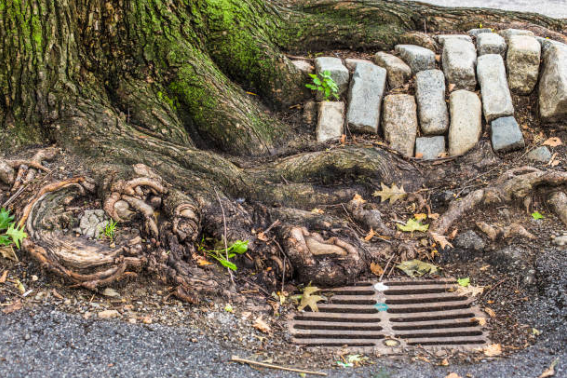
How tree roots end up inside your sewer line
It sounds strange at first.
After all, your sewer pipes are underground and sealed. So how do roots even get in?
The answer is small openings.
Over time, pipes can develop tiny cracks or loose joints. These openings might not seem like a big deal at first. However, to a tree root, they’re exactly what it’s looking for.
Roots naturally grow toward moisture. Because sewer lines carry water consistently, they become an ideal target.
Once a root finds a small opening, it pushes its way in. From there, it keeps growing.
Why this is common in Nampa homes
In the Treasure Valley, many homes have mature trees around the property.
While those trees add shade and curb appeal, their root systems can extend much farther than people expect.
In addition, older sewer lines are more likely to have small weaknesses. Because of that, the combination of aging pipes and active root systems makes this a fairly common issue in the area.
What happens after roots get inside
At first, the impact is minimal.
A small root may only slow things down slightly. However, roots don’t stop growing once they get inside the pipe.
Over time, they expand and start catching debris.
That leads to:
Buildup forming around the roots
Water flow becoming restricted
Clogs happening more often
Eventually, what started as a small intrusion can turn into a major blockage.
Signs tree roots may be the problem
The challenge with root issues is that they don’t always show up all at once.
Instead, they create patterns.
For example:
Drains that keep slowing down
Clogs that return after being cleared
Toilets bubbling or gurgling
Occasional sewer smells
Water backing up unexpectedly
If you’ve dealt with the same issue more than once, it’s usually a sign the cause wasn’t fully removed.
Why normal drain cleaning doesn’t always fix it
A standard drain cleaning can break through a clog.
However, when roots are involved, that’s only part of the problem.
Clearing the blockage doesn’t remove the root itself. Because of that, the root stays in place and the buildup starts again.
That’s why the problem comes back.
How the issue is properly diagnosed
Since roots are underground, you can’t confirm them just by looking at your drains.
That’s where a camera inspection becomes important.
With a sewer camera, you can actually see inside the pipe and identify:
Where the roots are
How large they’ve grown
Whether there’s pipe damage
If you want a clearer picture of what’s happening inside your line, this is usually the next step.
What actually removes tree roots
Mechanical cutting
In some cases, roots can be cut out using specialized equipment.
This helps restore flow, especially if the blockage is severe.
Hydro jetting
High-pressure water can help clear out smaller roots and remove buildup around them.
Because it cleans the pipe walls, it’s often more effective than basic methods.
Repairing the pipe
If the pipe is damaged or allows roots to keep entering, repairs may be needed.
Otherwise, the problem will continue returning over time.
Why timing matters
The earlier you catch root intrusion, the easier it is to manage.
If it’s left alone, it can lead to:
Severe blockages
Pipe damage
Backups inside the home
That’s why recurring symptoms shouldn’t be ignored.
What not to do
Don’t assume it’s just a normal clog if it keeps coming back.
Also, don’t rely on chemical cleaners. They don’t remove roots and can damage pipes over time.
At the same time, don’t wait until there’s a full backup. By then, the issue is usually much worse.
When to call a plumber
It’s worth getting checked if:
The same drain clogs repeatedly
You’ve had multiple backups
You hear gurgling from toilets or drains
There’s a persistent sewer smell
You can schedule service here.
What A Plus usually looks at
Most homeowners want to know one thing.
“Is this something small, or is it a bigger problem?”
A typical visit includes:
Inspecting the line
Checking for root intrusion
Identifying any pipe damage
Recommending the best way to fix it
Frequently asked questions
Can tree roots break pipes
Yes, especially if they grow large enough over time.
Will the problem go away on its own
No, roots continue growing once they’re inside.
Can this happen even with healthy trees
Yes. It’s not about the tree being unhealthy, it’s about how roots search for water.
Is this common in Nampa
Yes, especially in areas with mature landscaping.
Final thoughts
Tree roots in a sewer line aren’t something you can see, which is why they often go unnoticed at first.
What starts as a slow drain or occasional clog can turn into a much bigger issue if it’s left alone.
The good news is, once you identify the cause, it becomes much easier to deal with.
If your plumbing problems keep coming back and nothing seems to fully fix them, it’s worth looking deeper. In many cases, the answer is already growing beneath the surface.