


Tank vs Tankless Water Heaters in Nampa ID Which One Makes More Sense for Your Home
At some point, every homeowner ends up looking at their water heater and wondering what comes next.
Maybe the current unit is getting older.
Maybe hot water isn’t lasting like it used to.
Or maybe you’re planning ahead before something breaks.
That’s usually when the question comes up.
“Should I stick with a tank… or go tankless?”
On the surface, it sounds like a simple upgrade decision. However, once you start digging into it, you realize both options come with trade-offs.
Some homeowners love tankless systems. Others prefer sticking with what they know.
The right choice depends less on what’s “better” overall and more on what actually fits your home and how you use hot water every day.
If you want help evaluating your current setup before making a decision, you can start here.
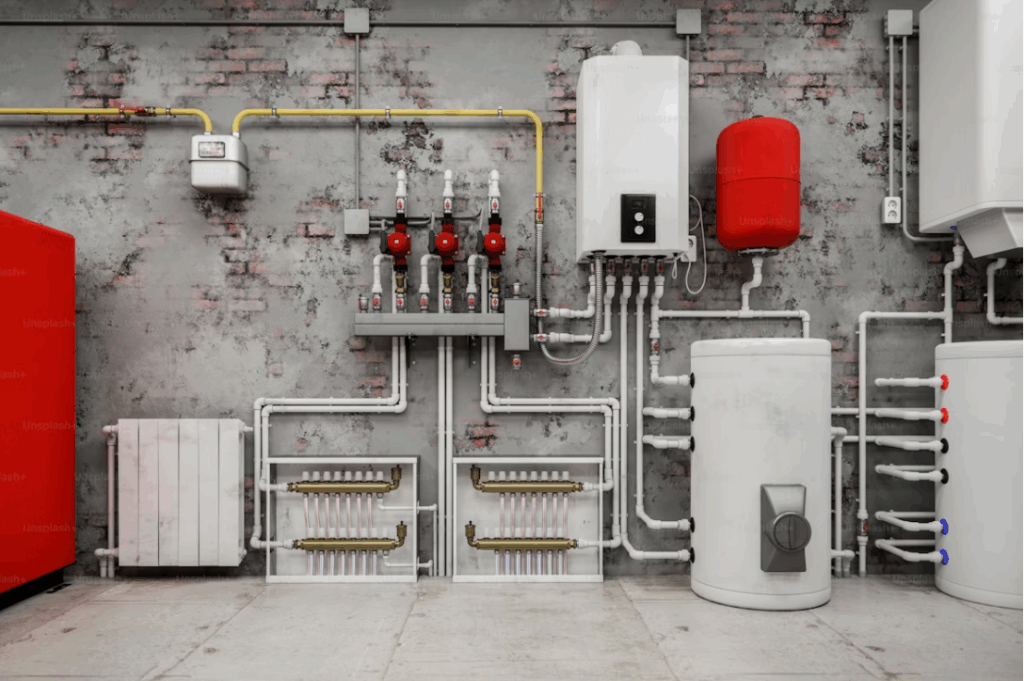
What a traditional tank water heater does
Most homes in Nampa already use a tank system.
It stores a set amount of hot water and keeps it ready to use.
So when you turn on the tap, that hot water is already sitting there waiting.
Because of that, it’s simple and predictable.
You know roughly how much hot water you have before it runs out.
What a tankless water heater does differently
Tankless systems work on demand.
Instead of storing hot water, they heat it as it flows through the unit.
That means you’re not limited to a fixed amount in a tank.
As long as the system can keep up, hot water continues flowing.
Because of that, many homeowners see it as an upgrade in convenience.
The biggest difference most people notice
It comes down to how hot water is delivered.
With a tank:
You have a limited supply
Once it runs out, you wait
With tankless:
You don’t run out the same way
However, flow rate becomes the limiting factor
That difference matters depending on how your household uses water.
When a tank system makes more sense
There are still plenty of situations where a tank system is the better choice.
For example, if your home:
Has moderate water usage
Uses one or two fixtures at a time
Already has a functioning tank setup
Then sticking with a tank can be the simplest and most cost-effective option.
It’s reliable, familiar, and doesn’t require major changes to your system.
When tankless becomes a strong option
Tankless systems tend to make more sense in specific situations.
For example:
Larger households using multiple fixtures
Homes where running out of hot water is a frequent issue
Homeowners planning long-term efficiency upgrades
In those cases, the ability to heat water on demand becomes more valuable.
The part people don’t always think about
Switching to tankless isn’t just swapping out the unit.
In many homes, it requires adjustments to:
Gas lines
Electrical setup
Venting
Because of that, the upfront cost is usually higher than replacing a standard tank.
However, that doesn’t automatically make it a bad decision.
It just means you’re making a longer-term investment instead of a quick replacement.
How energy use compares
Tank systems keep water heated at all times.
That means energy is used even when you’re not actively using hot water.
Tankless systems heat water only when needed.
Because of that, they can be more efficient over time.
However, the actual savings depend on how much hot water your household uses.
How lifespan factors into the decision
Tank water heaters typically last around 8 to 12 years.
Tankless systems often last longer, sometimes 15 to 20 years with proper maintenance.
That difference can influence long-term value.
However, it’s important to weigh that against the higher upfront cost.
Why hard water matters in Nampa
This is something that affects both systems.
In the Treasure Valley, mineral content in the water can lead to buildup.
For tank systems:
Sediment collects at the bottom
For tankless systems:
Minerals can affect internal components
Because of that, maintenance becomes important either way.
If hard water has been affecting your home, this may also be worth looking into.
What daily use actually feels like
Most homeowners don’t think in technical terms.
They think in daily routines.
With a tank:
You might run out during long showers or heavy use
With tankless:
You don’t run out, but you may notice limits if multiple fixtures are running at once
So the experience is different, even though both systems provide hot water.
Why there isn’t a one-size answer
This is where many people get stuck.
They want a clear answer.
“Which one is better?”
The reality is, both systems are good. They just serve different needs.
The best choice depends on:
Household size
Water usage habits
Budget
Long-term plans
Because of that, the decision is less about the product and more about the situation.
What not to do
Don’t assume tankless is always better just because it’s newer.
Also, don’t stick with a tank just because it’s familiar.
At the same time, don’t make a decision based only on upfront cost without considering long-term use.
When to talk to a professional
If you’re unsure which direction makes sense, it’s worth getting an evaluation.
Call if:
Your current unit is aging
You’re planning a replacement
You want to understand your options clearly
You can schedule service here.
What A Plus usually looks at
Most homeowners want a practical recommendation.
A typical evaluation includes:
Looking at your current system
Understanding how your household uses water
Evaluating upgrade requirements
Recommending the best fit based on your situation
Frequently asked questions
Is tankless always better than tank
Not always. It depends on your home and usage.
Do tankless systems run out of hot water
Not in the same way, but flow rate can still limit performance.
Are tank systems outdated
No. They are still widely used and reliable.
Is this a common upgrade in Nampa
Yes, especially when homeowners are replacing older units.
Final thoughts
Choosing between a tank and tankless water heater isn’t about picking the “best” option.
It’s about picking the right option for your home.
Some homeowners value simplicity and lower upfront cost.
Others prefer long-term efficiency and consistent hot water.
Either way, the goal is the same.
Reliable hot water that works the way you expect it to.
If you’re planning a change, taking the time to understand both options now can save you from making a decision you regret later.