


Water Pressure Regulator Problems in Nampa ID and Why Your Water Suddenly Feels “Off”
You know that moment when something feels different but you can’t explain it right away?
That’s usually how this starts.
Maybe your shower feels stronger than usual one day… then weaker the next.
Maybe the kitchen sink suddenly blasts water harder than you expect.
Or maybe everything just feels inconsistent, like it can’t decide what it wants to do.
At first, most people brush it off.
“Maybe it’s just the city water today.”
But when it keeps happening, or starts getting worse, that’s usually when you realize something in your home isn’t regulating things the way it should.
And in a lot of cases, it comes down to one part most people don’t even know they have.
The water pressure regulator.
If you’re already noticing these changes and want someone to take a look before it turns into a bigger issue, you can start here.
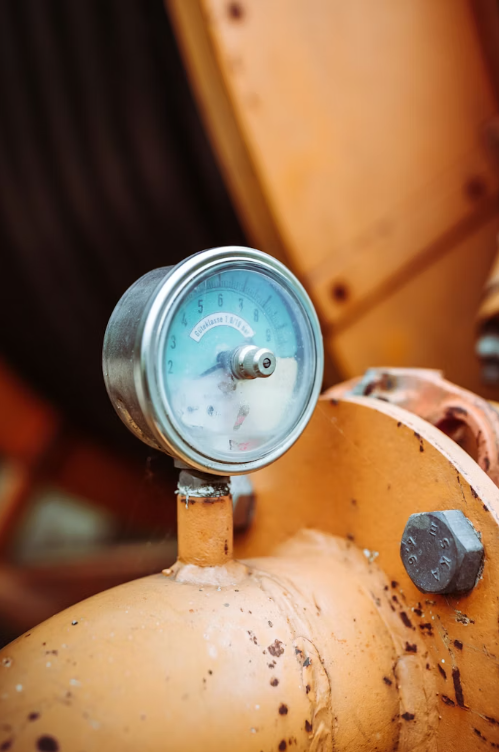
What this thing actually does (in normal terms)
Instead of getting too technical, here’s the simple version.
Water comes into your home from the city line at whatever pressure it’s being delivered.
That pressure can actually be higher than your pipes are meant to handle.
So your home has a regulator that basically says,
“Alright, let’s calm that down a bit.”
It keeps everything at a steady, safe level so your pipes, fixtures, and appliances don’t get beat up over time.
According to the EPA, high water pressure is one of the reasons small leaks turn into bigger problems faster than people expect.
So even though you don’t see the regulator, it’s quietly protecting your entire system.
Why pressure problems feel random at first
This is what throws most homeowners off.
Pressure issues don’t always hit all at once.
One day it feels fine.
The next day it feels off.
Then it goes back to normal for a bit.
Because of that, it’s easy to assume it’s nothing.
But what’s really happening is the regulator slowly losing control.
It’s still working… just not consistently.
The signs people usually notice (without realizing it)
The “why is this suddenly so strong” moment
You turn on the faucet and it hits harder than usual.
At first, it actually feels kind of nice.
But then you notice it keeps happening.
That’s not a bonus… that’s pressure creeping higher than it should.
According to InterNACHI, anything above about 80 PSI can start stressing your plumbing system.
The opposite problem… weak water out of nowhere
Then maybe later, it swings the other way.
Now it feels like pressure dropped for no reason.
That back-and-forth is usually a big clue.
Showers that won’t stay consistent
This one’s common.
You’re in the shower and the pressure changes mid-use.
Nobody else turned anything on… but it still shifts.
That’s usually not the shower. It’s the system behind it.
Weird pipe noises you didn’t have before
This is where it starts getting noticeable.
You might hear:
A quick bang when turning water off
A slight rattling behind the wall
Pipes that sound like they’re reacting to pressure
That’s your plumbing reacting to changes it wasn’t designed for.
Why this matters more than it seems
It’s easy to think,
“Okay, pressure’s a little off… not a big deal.”
But here’s the thing.
Pressure doesn’t just affect how water feels.
It affects how your system holds up over time.
Too much pressure can:
Wear down pipe joints
Cause small leaks to form
Shorten the life of appliances like your water heater
Too little pressure just makes everything frustrating.
Either way, it’s not something that fixes itself.
Why this happens in Nampa homes specifically
This isn’t unusual around here.
Water pressure from the city isn’t always perfectly steady, and over time, regulators wear out.
On top of that, mineral content in the water doesn’t help.
It slowly affects internal parts and makes things less reliable.
So what you end up with is a system that starts out fine… then gradually gets unpredictable.
What happens if you ignore it
This is where people usually regret waiting.
At first, it’s just inconsistent pressure.
Then eventually:
A connection starts leaking
A fixture wears out faster
Something fails earlier than expected
Not overnight… but slowly.
According to the American Society of Plumbing Engineers, maintaining proper pressure is one of the biggest factors in keeping a plumbing system healthy long-term.
What you can notice before calling someone
You don’t need tools to spot early signs.
Just pay attention to patterns.
Does pressure feel different throughout the day?
Do multiple fixtures feel off, not just one?
Are you hearing sounds you didn’t hear before?
If the answer is yes to more than one of those, it’s probably not random.
Why trying to ignore it usually backfires
A lot of people wait because nothing is “broken” yet.
But pressure issues are one of those things that build quietly.
By the time something actually breaks, the system has already been under stress for a while.
That’s why catching it early usually saves you from bigger repairs later.
When it’s time to have it checked
You don’t need to wait for a leak or a failure.
It’s worth checking if:
Pressure feels inconsistent
Water suddenly feels too strong or too weak
You’re hearing new pipe noises
The whole house seems affected
What A Plus actually looks at
Most homeowners just want a straight answer.
“What’s causing this?”
A typical visit usually includes:
Checking your current pressure level
Looking at how the regulator is performing
Figuring out whether it’s adjustment or replacement
Making sure everything is safe moving forward
Nothing complicated, just clarity.
Frequently asked questions
Is high water pressure really a problem
Yeah, over time it can damage pipes and fixtures even if it feels fine at first.
Can a pressure regulator go bad slowly
Yes, that’s actually how it usually happens.
Will this fix itself
No, pressure issues tend to get more noticeable over time.
Is this common in Nampa
Very common, especially as systems age.
Final thoughts
Water pressure is one of those things you don’t think about until it changes.
And when it does, it’s easy to assume it’s just temporary.
But most of the time, it’s your system telling you something isn’t regulating the way it should anymore.
The good news is, it’s usually a fixable issue once you catch it early.
If your water doesn’t feel as consistent as it used to, it’s worth taking a closer look now instead of waiting for something else to give out later.