


Signs of Water Damage in Your Nampa Home Most Homeowners Miss
Most water damage does not start with a flood. 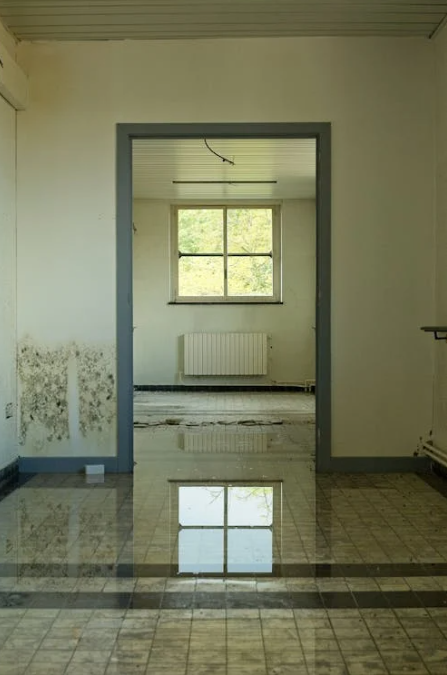
That is what surprises people.
There is usually no dramatic burst pipe.
No ceiling collapsing overnight.
No huge puddle spreading across the floor.
Instead, it starts quietly.
A small stain that seems harmless.
A weird smell that keeps coming back.
Paint that suddenly looks a little different near the corner of a room.
At first, it is easy to ignore because nothing feels urgent yet.
But that is usually how water damage gets expensive.
It builds slowly behind walls, under flooring, or around plumbing areas long before homeowners realize how much moisture has actually spread.
If something in your home has been feeling damp, musty, stained, or just “off” lately, it is worth checking before the damage grows further. You can start here.
Why water damage is so easy to miss early on
Most plumbing leaks stay hidden at first.
Water does not usually leak neatly into the middle of the room where you instantly notice it.
It runs behind cabinets.
Along framing.
Under flooring.
Inside walls.
That is why homeowners often discover the damage instead of the leak itself.
And by the time visible damage appears, moisture has usually already been there for a while.
The signs homeowners tend to dismiss first
This is where people accidentally wait too long.
Because the signs seem small in the beginning.
Maybe:
A little bubbling paint
A faint smell near the bathroom
A soft spot near the sink cabinet
A stain that seems unchanged for weeks
Nothing feels catastrophic yet.
So life keeps moving and the issue gets pushed further down the list.
Until one day it becomes obvious the problem has been growing the whole time.
Water stains are one of the biggest warning signs
This is probably the most recognizable sign people notice.
Usually it starts as:
Yellow discoloration
Brown rings
Dark spots on ceilings or walls
And honestly, homeowners often repaint over them before checking the actual cause.
That is the dangerous part.
Because stains are usually the symptom, not the problem itself.
Somewhere nearby, moisture is still finding its way through.
Musty smells matter more than people think
This one gets overlooked constantly.
If a room smells damp or musty even after cleaning, moisture is usually present somewhere.
Especially:
Under sinks
Near bathrooms
Inside cabinets
Around laundry areas
That smell often shows up before visible mold does.
And once materials stay damp long enough, mold growth becomes much more likely.
According to the EPA, mold can begin developing within 24 to 48 hours in damp environments.
That is why persistent moisture smell should never be ignored.
Flooring changes are another big clue
People often notice this slowly.
Maybe:
The floor feels slightly soft
Laminate edges start lifting
Tile grout changes color
Wood flooring begins warping
At first, it seems cosmetic.
But flooring damage usually means water has already spread underneath.
Especially near:
Toilets
Sinks
Dishwashers
Water heaters
This connects directly to the previous leak blog too: Small Leaks Turning Expensive
Cabinets swelling or separating
Kitchen and bathroom cabinets absorb moisture surprisingly fast.
Homeowners often notice:
Wood swelling slightly
Cabinet bottoms softening
Edges separating
Paint peeling near plumbing areas
Once cabinets absorb enough moisture, replacement often becomes necessary.
And usually the leak causing it had been active much longer than expected.
Why ceilings sometimes show damage far from the leak
This confuses homeowners all the time.
They see a stain in one area and assume the leak is directly above it.
But water travels.
It can run along framing or pipes before finally dripping somewhere completely different.
That is why tracing water damage without inspecting properly often leads to the wrong assumption.
Why hard water around Nampa contributes to hidden damage
Hard water affects plumbing systems gradually over time.
Mineral buildup can:
Stress fittings
Wear down valves
Create small connection leaks
Those leaks often stay slow enough to avoid immediate detection.
According to the EPA WaterSense program, household leaks are one of the most common causes of wasted water and hidden home damage.
Around Nampa, this becomes especially important in aging homes where plumbing systems have already been under stress for years.
Bathrooms are one of the biggest hidden leak zones
Bathrooms create moisture constantly.
That makes it harder to notice when extra moisture from a leak is building up.
Common problem areas include:
Around toilet bases
Under sinks
Behind shower walls
Tub plumbing connections
Many homeowners only realize there is a problem once flooring starts feeling unstable or odors become stronger.
Water heaters quietly cause damage too
Water heaters rarely fail all at once.
Most of the time, small leaks begin slowly.
Maybe:
A little moisture near the base
Slight rust discoloration
Occasional dampness around connections
Homeowners often assume it is harmless condensation.
Sometimes it is.
Other times, the tank or fittings are beginning to fail.
This blog connects to that issue too: Water Heater Replacement Cost
The “it dried up so it must be fine” mistake
This is one of the biggest misconceptions.
People see the area dry out and assume the problem stopped.
But many leaks are intermittent.
Pressure changes, fixture use, or appliance cycles can cause leaks to appear and disappear temporarily.
That means damage can continue quietly even when surfaces look dry sometimes.
Signs the issue may already be bigger than expected
These are usually the moments where homeowners realize:
“Okay… this has probably been happening longer than I thought.”
Examples include:
Multiple stains appearing
Soft drywall
Visible mold spots
Floor movement near plumbing areas
Persistent odors that keep returning
At that point, it is usually worth inspecting the plumbing system instead of only cleaning the visible damage.
Why homeowners in Nampa often wait too long
Honestly, life gets busy.
If:
The sink still works
The shower still runs
Nothing is actively flooding
People naturally delay dealing with it.
But water damage gets more expensive the longer moisture stays trapped inside materials.
That is why early detection matters so much.
What NOT to do
Do not just repaint stains without checking the source
Do not ignore musty smells
Do not assume drying the surface solved the issue
Do not keep delaying recurring moisture signs
And honestly, do not wait until visible mold spreads before taking it seriously.
What A Plus usually checks during these calls
Most homeowners want one clear answer:
“Where is the water actually coming from?”
A typical inspection may include:
Checking visible plumbing connections
Inspecting moisture-prone areas
Looking for hidden leak signs
Evaluating whether the issue appears isolated or system-wide
Sometimes the leak itself is small.
But catching it before major structural damage spreads is the important part.
When to call a plumber
It is worth scheduling service if:
You smell moisture repeatedly
Water stains keep growing
Flooring feels soft
Cabinets show swelling
You suspect hidden leaks behind walls
Your water bill has also increased unexpectedly
You can schedule service here.
Frequently asked questions
Can water damage exist without visible leaking
Absolutely. Hidden leaks often cause damage long before water becomes visible.
Is a musty smell always mold
Not always, but it usually means moisture is present somewhere.
How quickly can water damage spread
Faster than most homeowners expect, especially behind walls and flooring.
Is this common in Nampa homes
Yes, especially with hard water and aging plumbing systems.
Final thoughts
Most serious water damage problems do not start dramatically.
They start quietly.
A smell.
A stain.
A soft floor.
A cabinet that suddenly looks a little different.
Those small warning signs are usually your home telling you moisture has already been there longer than you think.
And the earlier you catch it, the easier and cheaper it usually is to deal with.
Contact A Plus Drain Cleaning and Plumbing
Drain Cleaning Services