


How Small Leaks Turn Into Expensive Repairs Over Time in Nampa ID
Most expensive plumbing problems do not start big.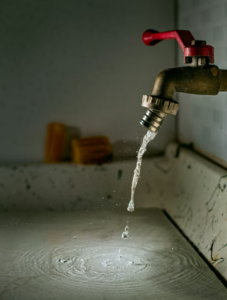
That’s the part homeowners usually do not realize.
They start with something small enough to ignore.
A drip under the sink.
A tiny stain near the ceiling.
A bathroom pipe that leaks “just a little.”
And because nothing feels urgent yet, it gets pushed off.
You tell yourself:
“I’ll deal with it this weekend.”
“It’s not leaking that much.”
“It’s probably been like that for a while.”
Honestly, almost everybody does it at some point.
The problem is, water never really stays where it starts.
That tiny leak usually ends up running behind something, under something, or slowly soaking into an area you do not normally look at until the damage becomes obvious.
If something in your home has been dripping, damp, or just feeling off lately, it is worth checking before it turns into a much bigger repair. You can start here.
Why small leaks are so easy to ignore
Big plumbing problems get your attention immediately.
A burst pipe? You react fast.
A flooded bathroom? Same thing.
Small leaks are different.
They are quiet.
Most of the time, they are not interrupting your day enough to feel urgent.
Maybe you keep a towel under the pipe for now.
Maybe you empty a small container every few days.
Maybe you just stop opening that cabinet as much.
People adapt to small leaks way more than they should.
And honestly, that is usually what ends up making them expensive later.
The frustrating part about hidden water
Water spreads.
That sounds obvious, but most homeowners do not realize how far a small leak can travel before you actually see visible damage.
A slow leak under a bathroom sink might:
Run behind the cabinet
Reach the drywall
Soak into the flooring
Spread along the baseboard
Meanwhile, all you notice is a slight smell or a tiny soft spot weeks later.
That is why the actual leak is often much smaller than the damage it causes.
What usually ends up costing people the most
Ironically, it is usually not the plumbing repair itself.
It is everything around it.
Drywall replacement.
Flooring damage.
Cabinet swelling.
Mold cleanup.
That is where small leaks become expensive.
The pipe repair might have been simple if it was caught early.
But once moisture sits for long enough, now multiple things need to be fixed instead of one.
Real signs homeowners in Nampa tend to notice first
Usually people do not spot the leak itself right away.
They notice something weird around it.
Like:
A cabinet that smells musty
Paint bubbling slightly
Flooring feeling soft near a sink
A random stain that slowly gets bigger
At first, it feels minor.
Then one day you realize:
“Wait… that spot definitely was not there before.”
That is usually the moment homeowners start tracing things back.
Why hard water makes this worse around Nampa
This area is rough on plumbing over time.
Hard water in the Treasure Valley creates mineral buildup inside pipes, valves, and fixtures. According to the EPA, leaks combined with aging plumbing systems are one of the biggest sources of wasted water in homes.
What happens is:
Connections wear down faster
Minerals build around fittings
Pressure stress increases slowly over time
So leaks that start small can develop quicker than people expect.
Especially in older homes.
Some of the most common places leaks hide
This is where people usually say,
“I never even thought to look there.”
Common spots include:
Under kitchen sinks
Probably the most ignored area in the house.
People store cleaning products under there, so leaks stay hidden longer.
Around water heaters
Small leaks near water heaters often get mistaken for condensation at first.
Then suddenly the floor around the unit starts deteriorating.
Behind toilets
Tiny leaks around toilet seals can slowly damage flooring underneath without being obvious right away.
Inside walls
These are the worst because you usually do not know until:
Paint changes
Drywall softens
Or the smell starts showing up
The “it’s not that bad yet” stage
This is the dangerous stage.
Because technically… the homeowner is right.
It is not catastrophic yet.
The leak is manageable.
The damage is limited.
Nothing has fully failed.
But this is also the exact point where fixing it is cheapest.
Once water keeps spreading for another few months, the repair usually grows with it.
When a small leak becomes a bigger plumbing issue
Sometimes the leak itself is not the real problem.
It is a symptom.
For example:
High water pressure stressing fittings
Pipe corrosion inside the system
Aging connections failing one after another
That is why repeat leaks matter.
If you fix one leak, then another shows up somewhere else a few months later, it usually means the plumbing system itself is starting to wear down.
This blog ties into that issue too: When Repiping Home Make Sense
Why some leaks suddenly get worse
A lot of homeowners say:
“It was barely leaking before.”
That is common.
Small leaks often stay relatively stable until something changes:
Pressure spikes
Temperature changes
Pipe movement
Additional corrosion
Then suddenly what was manageable turns into active water damage.
That is why waiting is risky even if the leak seems minor right now.
Signs you should stop waiting and call somebody
You do not necessarily need to panic.
But you should stop putting it off if:
The leak keeps coming back
You smell mildew or moisture
Water stains are growing
Flooring feels soft
Your water bill suddenly increases
You notice more than one leak happening
That last one especially matters.
Multiple small leaks usually point to a larger system issue.
Why water bills matter more than people think
One thing people overlook is how much water even a slow leak wastes over time.
A dripping fixture may not seem serious daily.
But over weeks and months, it adds up surprisingly fast.
According to the EPA, household leaks waste nearly 1 trillion gallons of water annually nationwide.
That is why an unexplained increase in your water bill is usually worth paying attention to.
Even if you cannot visibly see the leak yet.
What NOT to do
This part matters.
Do not keep using temporary fixes forever.
Do not ignore stains hoping they stop growing.
Do not assume a leak “fixed itself.”
Do not wait until visible damage spreads.
And honestly, do not rely on towels and buckets longer than necessary.
That is usually the sign it has already gone too long.
What a plumber usually checks during a leak inspection
Most homeowners just want to know:
“How bad is this really?”
A typical inspection usually focuses on:
Finding the actual leak source
Checking surrounding damage
Looking for pressure or pipe issues
Seeing whether this is isolated or part of a bigger problem
Sometimes the fix is simple.
Other times, catching it early prevents something much more expensive later.
When to call A Plus Drain Cleaning and Plumbing
It is time to call if:
You keep noticing damp areas
Water stains are spreading
A leak keeps returning
The smell of moisture will not go away
You think water may be hiding behind walls or flooring
Frequently asked questions
Can a tiny leak really cause major damage
Absolutely. Most major water damage starts from leaks that seemed small at first.
How long can a leak go unnoticed
Sometimes weeks or months, especially behind walls or under cabinets.
Does hard water make leaks worse
Yes. Mineral buildup contributes to wear on plumbing connections over time.
Should I worry about one small leak
One leak is manageable. Ignoring it for too long is what creates bigger problems.
Final thoughts
Most homeowners never expect a small leak to become a major repair.
That is why it catches people off guard.
It starts quietly.
It stays hidden.
And little by little, the damage spreads further than you think.
The good news is, small leaks are usually much easier to deal with when caught early.
If something in your home has been dripping, staining, smelling damp, or just not feeling right lately, it is worth checking now instead of waiting for the damage to become obvious.