


Toilet Overflow in Nampa ID What to Do Right Away Without Making It Worse
It happens fast.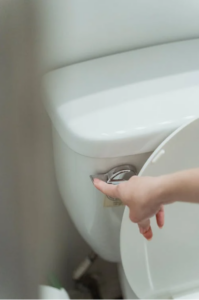
You flush the toilet like normal.
Then instead of going down, the water starts rising.
At first, you pause.
Maybe it will stop.
Maybe it will go down.
Maybe this is just one of those weird flushes.
Then the water keeps climbing.
That is when the panic kicks in, because once it spills over, you are not just dealing with a clog anymore. You are dealing with water on the bathroom floor, towels everywhere, cleanup, and that awful feeling of not knowing if it is about to happen again.
If this is happening in your Nampa home, the most important thing is not to panic and not to keep flushing. A toilet overflow can usually be controlled pretty quickly if you know what to do first.
If you already want help and do not want to mess with it yourself, you can start here.
Step 1 Stop the water immediately
This is the first move.
Do not wait to see if the bowl stops rising on its own. Go straight to the tank and remove the lid.
Inside the tank, you will see a rubber piece at the bottom called the flapper. If water is still moving into the bowl, push that flapper down gently. That helps stop more water from leaving the tank.
Next, look for the shutoff valve near the base of the toilet, usually on the wall behind it. Turn it clockwise until it stops.
That cuts off the water supply to the toilet.
This one step can save you from a much bigger mess.
Step 2 Do not flush again
This is where a lot of people accidentally make things worse.
It is tempting to flush one more time because you want to see if the clog cleared. But if the drain is blocked, that extra flush just adds more water to a toilet that already cannot drain properly.
So once the water rises, stop flushing.
Even if the bowl slowly drains down, do not test it right away. A slow drain usually means the blockage is still there, just allowing a small amount of water through.
Step 3 Protect the floor before it spreads
Once the water is stopped, grab towels or rags and block the water from spreading into the hallway, carpet, or nearby cabinets.
If water has already spilled onto the floor, start soaking it up right away.
Focus on:
The area around the toilet
Baseboards
Corners
Any nearby rugs or mats
If the overflow included waste, treat the cleanup more seriously. Use gloves, keep kids and pets away, and disinfect the floor well.
A toilet overflow is not just unpleasant. If dirty water sits too long, it can create odors and damage flooring or baseboards.
Step 4 Figure out if this is a simple clog or something deeper
Not every toilet overflow means you have a major sewer issue.
Sometimes it really is just too much toilet paper or something that should not have been flushed.
However, you want to pay attention to the pattern.
It may be a simple toilet clog if
Only one toilet is affected
No other drains are slow
The toilet has not had repeat issues
The water slowly drains after plunging
It may be a bigger issue if
Other drains are gurgling
The shower or tub backs up
More than one toilet is acting strange
The same toilet keeps clogging again and again
You smell sewer odor from nearby drains
If multiple drains are involved, the issue may be deeper in the drain system.
This page is useful if the symptoms point beyond one toilet.
Step 5 Try a plunger only if the water level is stable
If the bowl is not overflowing anymore and the water level is stable, you can try plunging.
Use a real toilet plunger with the flange on the bottom. A flat sink plunger usually does not seal well enough.
Place the plunger over the drain opening and press down gently first to create a seal. Then use steady pushes and pulls. Do not go wild with it. The goal is pressure, not splashing.
After several plunges, pause and see if the water level drops.
If it drops, that is a good sign. But still be careful. Do not flush repeatedly.
If nothing changes after a few tries, stop. The clog may be too deep or too stubborn for a plunger.
Step 6 Skip chemical drain cleaners
I know chemical cleaners feel like the easy option, especially when you are stressed.
But they are not a good idea for toilets.
They can sit in the bowl if the toilet is clogged. They can damage parts. And if a plumber has to work on the line afterward, those chemicals can create a safety issue.
Also, chemical cleaners do not solve deeper problems like main line clogs, roots, or pipe buildup.
If the plunger does not work, it is better to get the line cleared properly.
Why toilet overflows happen in the first place
Most toilet overflows happen for a few common reasons.
Too much toilet paper
This is probably the most common one.
A large amount of toilet paper can bunch up and block the toilet trap or drain line.
Non flushable items
Wipes are a big one.
Even if the package says flushable, they do not break down like regular toilet paper. They can catch in the line and build up over time.
Other common problems include:
Paper towels
Feminine products
Cotton pads
Small toys
Dental floss
Toilets are built for human waste and toilet paper. That is really it.
A partial clog that has been building for a while
Sometimes the overflow feels sudden, but the clog has been forming quietly.
Maybe the toilet has been flushing slower.
Maybe the water has been rising a little higher than normal.
Maybe you have had to plunge it more than once lately.
Those are early warning signs.
A deeper drain or sewer line problem
If the clog is not in the toilet itself, it may be further down the system.
That can happen from:
Buildup in the drain line
Tree roots
A main line restriction
Older pipe issues
When that is the case, the toilet is just where the problem shows up first.
Why this is common in Nampa homes
In Nampa and around the Treasure Valley, plumbing systems deal with a few local factors that can make issues more noticeable over time.
Hard water can contribute to mineral buildup. Older homes may have older drain lines. Tree roots can also become a problem in areas with mature landscaping.
None of that means every overflow is serious. But it does mean repeat toilet problems should not be ignored.
If the same issue keeps coming back, it is usually worth looking deeper instead of treating it like bad luck.
Cleanup tips after a toilet overflow
Once the clog is handled, cleanup matters.
If it was mostly clean water
Dry the floor completely. Then disinfect the area around the toilet.
Do not forget the base of the toilet, nearby walls, and the floor edges.
If it included waste
Use gloves. Remove soaked towels or rugs. Clean and disinfect everything the water touched.
If water reached carpet, wood flooring, or cabinets, watch carefully for lingering moisture or smell.
This is one of those times where fast cleanup makes a real difference.
How to prevent another toilet overflow
A few simple habits can prevent a lot of repeat problems.
Flush only toilet paper
Avoid wipes, paper towels, and anything that does not break down quickly.
Use less paper per flush
If someone needs to use a lot of toilet paper, flushing twice is better than forcing everything through at once.
Pay attention to slow flushing
A toilet that flushes slowly is warning you before it overflows.
Do not ignore repeat clogs
If you are plunging the same toilet every week or every month, something is wrong.
Get the drain checked if other fixtures act up
If you notice gurgling, sewer smell, or backups in other drains, do not treat it like one toilet issue.
When to call a plumber
You should call if:
The toilet will not clear with a plunger
The overflow happens more than once
Other drains are slow or backing up
Water comes up in a shower or tub
You are not sure what caused it
The toilet keeps needing plunging
You can schedule service here.
What A Plus usually does for this kind of call
Most homeowners want two things.
Stop the problem now.
And make sure it does not happen again.
A typical visit may include:
Checking whether the clog is in the toilet or deeper in the line
Clearing the blockage properly
Looking for signs of a bigger drain issue
Checking whether drain cleaning is needed
Explaining what caused it in plain language
If the problem points to buildup or a deeper restriction, drain cleaning may be the next step.
Frequently asked questions
Why did my toilet overflow all of a sudden
Most of the time, it was not truly sudden. The clog was probably building before you noticed it.
Can I fix a toilet overflow myself
Sometimes, yes. If it is a simple clog and the plunger clears it, you may be fine. If it comes back, call a plumber.
Should I flush again after plunging
Only once, and only if the water level has dropped. If the water rises again, stop.
What if water comes up in the shower too
That usually points to a deeper drain or main line issue. It should be checked quickly.
Are flushable wipes safe
They are not ideal. Many wipes do not break down like toilet paper and can contribute to clogs.
Final thoughts
A toilet overflow is stressful because it happens fast and feels messy right away.
But the first few steps make a big difference.
Stop the water.
Do not flush again.
Protect the floor.
Try a plunger only if it is safe.
Then pay attention to whether this is a one time clog or part of a bigger pattern.
If the toilet keeps overflowing, or if other drains are acting strange too, it is time to stop guessing and get it checked.