


Why Your Faucet Keeps Dripping in Nampa ID Even After You Turn It Off
A dripping faucet seems small.
That is usually why people live with it for way longer than they should.
At first it is just:
A tiny drip at night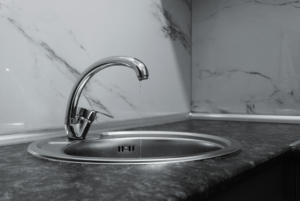 A little water around the sink
An occasional sound you barely notice during the day
Then over time, it becomes one of those background things in the house everybody gets used to hearing.
Drip.
Drip.
Drip.
Honestly, most homeowners do not think much about it until:
The sound starts driving them crazy
The water bill changes
Or the faucet suddenly gets worse
But the truth is, a faucet that keeps dripping is usually your plum
bing system telling you something is wearing out somewhere.
And around Nampa, where hard water constantly affects fixtures and plumbing components, faucet problems tend to happen more often than people expect.
If your faucet has been leaking, dripping, or refusing to fully shut off lately, it may be worth checking before the problem gets worse. You can start here.
Why faucets usually start dripping slowly
Most faucets do not fail all at once.
Usually the problem builds gradually.
At first:
One drip every once in a while
Then a little more frequently
Then eventually it drips constantly no matter how tightly you turn the handle
That gradual change is why homeowners often delay fixing it.
Because technically… the faucet still works.
Water still comes out normally.
Nothing feels urgent.
The sink is still usable.
But meanwhile, the parts inside the fixture continue wearing down.
Hard water around Nampa is rough on faucets
This area is tough on plumbing fixtures long term.
Hard water leaves behind mineral deposits that slowly build up inside faucets and valves over time.
According to the EPA WaterSense program, mineral-heavy water contributes to fixture wear and reduced plumbing efficiency over time.
What happens is:
Internal components wear faster
Seals stop closing tightly
Minerals collect around moving parts
And eventually the faucet cannot fully shut water off anymore.
That is why dripping faucets are extremely common in homes around Nampa.
The sound becomes more annoying than people expect
This part sounds minor… until you experience it long enough.
A dripping faucet at night becomes impossible to ignore.
Especially when:
The house gets quiet
You are trying to sleep
Or the sink is near bedrooms
People usually say:
“It did not bother me at first.”
Then suddenly they realize it has been driving them crazy for months.
Small drips waste more water than homeowners think
This surprises people all the time.
Because visually, the leak seems tiny.
But one small drip running continuously all day adds up much faster than most homeowners realize.
According to the EPA, household leaks waste nearly 1 trillion gallons of water nationwide every year.
And faucets are one of the most common sources.
That is why sometimes homeowners first notice the issue through:
Higher water bills
More frequent sink moisture
Or constantly damp fixtures
Why turning the handle tighter usually does not help
Almost everybody tries this first.
The faucet drips, so naturally people tighten the handle harder.
Sometimes aggressively.
The problem is, once internal parts start wearing down, more force usually does not solve it.
In fact, overtightening sometimes creates additional wear.
Especially on older fixtures.
The most common causes of a dripping faucet
There are a few issues that show up repeatedly.
Worn washers or seals
These components help stop water flow when the faucet closes.
Over time they wear down or harden.
Once that happens, water slowly slips through.
Mineral buildup
Hard water deposits interfere with proper sealing inside the fixture.
That buildup becomes worse gradually over time.
Valve wear
Internal faucet valves eventually wear down from constant daily use.
Especially in older homes.
Pressure issues
Sometimes high water pressure contributes to faucet dripping too.
This blog connects directly with.
When pressure stays too high, fixtures throughout the house experience more stress.
Why some faucets drip only sometimes
This confuses homeowners.
The faucet may:
Drip heavily one day
Barely drip the next
Then start leaking again later
That is because pressure, temperature, and internal wear can all affect how much water slips through worn components.
So intermittent dripping does not necessarily mean the issue fixed itself.
Usually it means the problem is gradually progressing.
Bathroom faucets vs kitchen faucets
Both leak, but for slightly different reasons sometimes.
Bathroom faucets
Usually deal with:
Mineral buildup
Frequent daily use
Soap residue around components
Kitchen faucets
Often experience:
Higher overall usage
Temperature changes
More pressure stress
Heavier wear over time
Especially in busy households.
Why homeowners delay fixing dripping faucets
Honestly, because it feels manageable.
The sink still works.
The leak looks small.
Nothing catastrophic is happening.
And compared to larger plumbing issues, a dripping faucet feels easy to ignore.
The issue is not usually the faucet itself.
It is the long-term wear, wasted water, and ongoing stress that slowly keeps getting worse.
When a dripping faucet points to bigger plumbing problems
Sometimes the faucet itself is not the only issue.
If multiple fixtures around the home start:
Dripping
Leaking
Or wearing out around the same time
That may point to:
High water pressure
Aging plumbing
Hard water stress across the system
Especially in older Nampa homes.
Signs the issue is getting worse
Pay attention if:
The dripping increases
The handle becomes harder to turn
Mineral buildup becomes visible
Water pressure changes too
Other fixtures start leaking
Those patterns usually mean the problem is progressing instead of staying isolated.
What NOT to do
Do not keep forcing the handle tighter
Do not ignore dripping for months
Do not assume small leaks are harmless
Do not overlook repeated fixture problems around the house
And honestly, do not wait until the fixture starts actively leaking around the base.
Why small fixture leaks matter long-term
Most homeowners think:
“It is only a faucet.”
But small fixture leaks are often early warning signs of larger plumbing wear happening throughout the home.
Especially where:
Hard water exists
Pressure runs high
Older fixtures remain in place
Because delaying small plumbing issues is usually what allows them to grow into larger repairs later.
What A Plus usually checks during faucet leak calls
Most homeowners want one answer:
“Can this be repaired or does it need replacement?”
A typical visit may include:
Inspecting the faucet components
Checking for mineral buildup
Evaluating pressure issues
Looking for signs of broader fixture wear
Sometimes the fix is simple.
Other times the fixture has simply reached the end of its lifespan.
You can schedule service here.
Frequently asked questions
Is a dripping faucet really a big deal
Over time, yes. Small leaks waste water and usually worsen gradually.
Does hard water make faucets leak faster
Absolutely. Mineral buildup increases wear on internal faucet components.
Why does my faucet drip even when fully closed
Usually worn seals, valves, or buildup prevent complete shutoff.
Is this common in Nampa homes
Very common, especially with hard water and aging fixtures.
Final thoughts
Most dripping faucets start small enough to ignore.
That is exactly why they last so long.
A tiny drip becomes background noise.
The leak slowly worsens.
Water keeps getting wasted quietly.
And eventually what seemed harmless becomes much more noticeable.
The good news is, catching fixture problems early is usually far easier and cheaper than waiting until the faucet completely fails.