


Outdoor Faucet Leaking in Nampa ID? What It Means and Why It’s Worth Checking
Most outdoor faucet leaks start so small that they barely feel worth dealing with.
A slow drip after you turn the hose off. 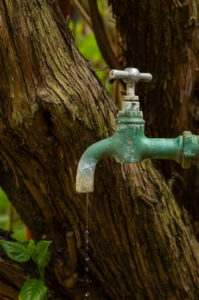
A little puddle near the siding.
A damp spot by the foundation that you keep meaning to check.
At first, it feels harmless.
And honestly, that is why people ignore it.
You tell yourself:
“It is outside anyway.”
“It is probably just the hose connection.”
“I will tighten it later.”
But outdoor plumbing has a sneaky way of turning small problems into bigger ones, especially during the warmer months when hoses, sprinklers, and yard work are happening more often.
If your outdoor faucet is leaking in Nampa, it is worth paying attention before that little drip starts wasting water, damaging siding, or hiding a leak inside the wall.
If you already want someone to take a look, you can start here.
Why outdoor faucets leak in the first place
Outdoor faucets, also called hose bibs or spigots, deal with a lot.
They sit outside through cold Idaho winters, hot summer days, pressure changes, hose pulling, and constant seasonal use.
So even if the faucet looks simple from the outside, there are parts inside that can wear down over time.
A leak might come from:
A worn washer
A loose packing nut
A cracked faucet body
A damaged valve
A problem behind the wall
Sometimes it is an easy fix. Other times, the outdoor faucet is only showing you the visible part of a bigger issue.
That is why it helps to know where the water is coming from.
A drip from the spout
This is the leak most homeowners notice first.
You turn off the faucet, walk away, then hear it.
Drip.
Drip.
Drip.
If water keeps coming from the spout after the handle is fully turned off, the internal washer or valve may not be sealing correctly anymore.
That happens with age, mineral buildup, and regular use.
Around Nampa, hard water can make this worse because minerals build up inside fixtures and make sealing harder over time.
At first, it may only drip once in a while. However, as the internal parts keep wearing down, the leak usually becomes more consistent.
Water around the handle
Another common issue is water leaking around the handle when the faucet is turned on.
This usually points to the packing nut or packing material around the stem.
A lot of homeowners only notice this when they are actively using the hose.
The faucet looks fine when it is off, then suddenly water starts spraying or dripping around the handle once pressure builds.
That is a sign something is not sealing the way it should.
Water leaking where the hose connects
Sometimes the issue is not actually the faucet itself.
It might be the hose connection.
If water sprays at the connection point, check whether:
The hose washer is missing
The hose is cross-threaded
The connection is loose
The hose fitting is damaged
This is usually one of the easier problems to fix.
However, if the leak continues even with a good hose and washer, the faucet threads may be worn or damaged.
The leak you cannot see is the one that matters most
This is where outdoor faucets can get tricky.
Sometimes the water you see outside is not the whole problem.
If the faucet or pipe behind the wall is damaged, water can leak inside the wall while the faucet is running.
That means you might notice:
Damp drywall inside
Musty smells near the wall
Water stains by the baseboard
Soft flooring near the exterior wall
Wet insulation or wall damage
This is especially concerning if the leak only happens when you turn the outdoor faucet on.
In that case, the faucet may look mostly normal from outside, while water is escaping behind the wall.
That is the kind of issue that can quietly cause damage before anyone realizes what is happening.
Why outdoor faucet leaks often show up in summer
A lot of outdoor faucet problems are actually created earlier in the year.
Winter can weaken pipes and fixtures. Then spring and summer use reveals the problem.
If water froze inside an outdoor faucet or connected pipe, it may have caused a small crack.
The faucet might seem fine during winter because you are not using it much.
Then summer rolls around, you hook up the hose, turn on the water, and suddenly there is leaking.
The American Red Cross explains that frozen pipes can burst because water expands as it freezes, creating pressure inside the pipe.
That is why a leak in June may actually be leftover damage from colder months.
Why this matters in Nampa homes
Nampa homeowners use outdoor water a lot during the warmer season.
Between lawns, gardens, sprinklers, washing cars, and general yard cleanup, outdoor faucets get much more use in summer than they do the rest of the year.
On top of that, Nampa has both domestic water and pressurized irrigation systems in many areas, which can make outdoor water issues confusing for homeowners.
Sometimes people are not sure whether the problem is coming from:
The hose bib
The irrigation system
The sprinkler line
Or the domestic water supply
That is one reason outdoor leaks should not be guessed at for too long.
How much water can a small outdoor leak waste?
More than most people expect.
A tiny drip does not look like much in the moment.
But when it keeps dripping all day, every day, it adds up.
The EPA WaterSense program notes that household leaks can waste nearly 1 trillion gallons of water nationwide each year.
Outdoor leaks are especially easy to miss because the water often disappears into soil, mulch, or grass.
So unlike a leak under the sink, you may not see an obvious puddle every time.
You may only notice:
A greener patch of grass
Soft soil
Mud near the foundation
Or a higher water bill
Signs your outdoor faucet leak should be checked soon
Some outdoor faucet leaks are minor.
But you should not ignore it if:
The faucet keeps dripping after being turned off
Water leaks from the handle every time it runs
The wall inside feels damp
The ground stays wet near the foundation
The leak gets worse with pressure
Your water bill suddenly increases
You see corrosion or cracks around the faucet
Those signs usually mean it is time to stop guessing and have it looked at.
What not to do
Do not force the handle tighter and tighter.
That can damage the faucet more, especially if the internal parts are already worn.
Do not ignore water near the foundation.
Even if it is outside, water sitting near your home can create bigger problems over time.
Do not assume the hose is always the problem.
Sometimes it is. But if a new washer or different hose does not fix it, the faucet itself may need attention.
What A Plus usually checks
Most homeowners just want to know one thing:
“Is this an easy fix, or is water leaking somewhere it should not be?”
A typical check may include:
Looking at the faucet body
Checking the hose connection
Inspecting the handle and stem
Looking for signs of wall leaks
Checking whether pressure makes the leak worse
If there is a chance the leak is behind the wall, it is better to catch it early before moisture spreads.
How to prevent outdoor faucet leaks
A few simple habits help.
Disconnect hoses before freezing weather
Use good hose washers
Avoid yanking hoses at sharp angles
Check faucets when you first start using them in spring
Watch for dripping after use
Fix small leaks early
Outdoor faucets do not need a lot of attention, but they should not be ignored completely either.
Frequently asked questions
Why does my outdoor faucet drip after I turn it off?
Usually the internal washer or valve is worn and no longer sealing tightly.
Is a leaking outdoor faucet serious?
Sometimes it is minor. However, if water is leaking behind the wall or near the foundation, it should be checked quickly.
Can winter damage cause a summer faucet leak?
Yes. Freeze damage may not show up until you start using the faucet again in warmer months.
Should I replace the hose first?
If the leak is at the hose connection, yes, try a new washer or hose. If it still leaks, the faucet may be the issue.
Final thoughts
An outdoor faucet leak is easy to brush off because it happens outside.
But water is still water.
If it is dripping constantly, leaking into the wall, or soaking the ground near your foundation, it is worth checking before it turns into a bigger repair.
Most of the time, catching it early makes the fix much easier.
And honestly, it is a lot better to deal with a small outdoor faucet issue now than discover hidden moisture damage later.
Contact A Plus Drain Cleaning and Plumbing
Drain Cleaning Services
Water Treatment Services