


Why Is My Kitchen Sink Draining So Slowly in Nampa ID?
There is a moment every homeowner recognizes. 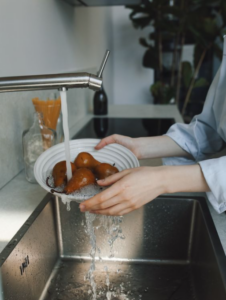
You finish rinsing a plate.
You turn off the faucet.
Then you stand there watching the water.
And watching.
And watching.
Instead of disappearing down the drain, it begins collecting in the sink.
Not enough to cause panic.
Not enough to overflow.
Just enough to make you wonder what is going on.
At first, most people ignore it.
The sink still drains.
It is just slower than it used to be.
A few days pass.
Then a few weeks.
Eventually you find yourself doing little things you never used to do.
Running less water.
Waiting between tasks.
Checking the drain every time you wash dishes.
That is usually when homeowners realize something has changed.
A slow kitchen sink is one of the most common plumbing complaints we hear from homeowners around Nampa. The good news is that a slow drain does not automatically mean a major plumbing emergency.
The bad news is that plumbing systems rarely get better on their own.
If your kitchen sink has started draining slower than normal, your plumbing may be trying to tell you something.
You can schedule an inspection here.
Most Slow Drains Do Not Start Overnight
One of the interesting things about slow kitchen sinks is how gradually they develop.
Nobody wakes up one morning with a perfectly functioning sink that suddenly becomes completely blocked.
Most of the time the process is much slower.
The sink drains normally.
Then it drains a little slower.
Then a little slower than that.
Eventually, homeowners begin noticing patterns.
Water lingers longer.
Food particles seem harder to rinse away.
The disposal appears less effective.
The change happens slowly enough that many people adapt before they even realize there is a problem.
The Kitchen Sink Has a Tough Job
Think about everything that passes through a kitchen sink during a normal week.
Food scraps.
Cooking oils.
Grease.
Soap.
Coffee grounds.
Sauces.
Tiny bits of leftovers.
Even when homeowners are careful, kitchen drains deal with a lot.
Over time, materials that seem harmless can begin building up inside drain lines.
The buildup may start small.
However, as it grows, water has less room to move efficiently through the pipe.
That is when homeowners begin noticing slower drainage.
Grease Is Usually More of a Problem Than People Realize
A homeowner once told us they never pour grease down the drain.
Then they described rinsing pans with hot water after cooking bacon.
That is actually a common misunderstanding.
Many people assume hot water makes grease disappear.
Unfortunately, grease often cools farther down the drain line.
When it cools, it can stick to pipe walls.
Then more material sticks to that.
Then more.
Months later, the buildup becomes significant enough to affect drainage.
The homeowner may never realize how the problem started.
They only notice the symptoms.
The Garbage Disposal Sometimes Gets Blamed
Kitchen sinks and garbage disposals work closely together.
Because of that, homeowners often assume the disposal is responsible whenever the sink drains slowly.
Sometimes that is true.
Sometimes it is not.
One homeowner was convinced their disposal had failed because water kept backing up into the sink.
The actual issue turned out to be farther down the drain line.
The disposal was simply revealing the problem.
That is why proper diagnosis matters.
The symptom and the cause are not always in the same location.
Small Habits Add Up Over Time
Most drain problems are not caused by one big mistake.
They are usually the result of hundreds of small moments.
A little grease.
A few food scraps.
Some coffee grounds.
A bit of soap residue.
Nothing seems significant on its own.
Then months or years pass.
The drain line slowly becomes narrower.
Eventually water movement changes.
That is when homeowners start noticing slower drainage.
Why the Problem Seems Worse During Dinner Cleanup
Many homeowners tell us the sink seems slowest after meals.
That makes sense.
Dinner cleanup often creates the heaviest demand on the kitchen drain.
Multiple dishes.
More water.
More food particles.
More activity.
A drain that appears mostly normal during the day may struggle when handling larger volumes of water.
This is often one of the first signs that a restriction is developing.
Strange Sounds Can Be Part of the Story
A slow kitchen sink sometimes comes with another symptom.
Noise.
Gurgling.
Bubbling.
Glugging sounds.
We recently talked about gurgling drains in another blog because homeowners notice these sounds frequently.
Often the slow drainage and the strange noises are connected.
Both may indicate that water and air are having trouble moving through the plumbing system normally.
Multiple Slow Drains Usually Mean Something Different
If only the kitchen sink is draining slowly, the issue may be isolated to that area.
If several fixtures throughout the house begin showing symptoms at the same time, the conversation changes.
A homeowner once called because the kitchen sink was slow.
During the discussion, they casually mentioned a bathroom sink that had been acting strange too.
That detail mattered.
Whenever multiple fixtures show symptoms, plumbers begin looking at the bigger picture.
The plumbing system often provides clues if homeowners know where to look.
Store Bought Drain Cleaners Are Not Always the Hero
Many homeowners try a bottle of drain cleaner first.
That is understandable.
It seems quick.
It seems easy.
Sometimes it appears to help temporarily.
The problem is that the underlying issue often remains.
The drain may improve for a short period before slowing again.
That can leave homeowners frustrated because they feel like they already solved the problem once.
A recurring slow drain usually means there is more to the story.
Tree Roots Occasionally Become Involved
Most people do not connect tree roots with a kitchen sink.
Yet they can sometimes be part of the bigger picture.
Roots naturally seek moisture.
If they find a vulnerable sewer line, they can create issues that affect drainage throughout the home.
This is not the most common reason for a slow kitchen sink.
However, it is a possibility that plumbers consider when symptoms extend beyond a single fixture.
Why Homeowners Wait So Long
Because the sink still works.
That is usually the answer.
The water eventually goes down.
The dishes still get washed.
Life continues.
The inconvenience feels manageable.
Until one day it isn’t.
That is the challenge with gradual plumbing problems.
They allow homeowners to postpone action.
Meanwhile, the underlying issue often continues developing.
What A Plus Looks For
When homeowners call us about a slow kitchen sink, we start by asking questions.
How long has it been happening?
Has it gotten worse?
Are other drains affected?
Have you noticed unusual sounds?
Is water backing up?
Those answers help narrow down possible causes.
From there, we evaluate the plumbing system and determine what is preventing normal drainage.
Sometimes the solution is simple.
Sometimes a larger issue is involved.
The important thing is identifying the actual cause rather than guessing.
Frequently Asked Questions
Why is my kitchen sink draining slowly but not completely clogged?
Partial blockages often allow water to pass through while still restricting normal flow.
Can grease cause a slow kitchen sink?
Yes. Grease buildup is one of the most common contributors to slow kitchen drains.
Why does my sink gurgle when draining?
Gurgling often occurs when air movement inside the plumbing system is disrupted.
Should I use chemical drain cleaners?
Many homeowners try them, but recurring drainage problems often require a more complete solution.
Can a slow kitchen sink indicate a larger plumbing issue?
Sometimes. Multiple affected fixtures may point toward a broader drainage concern.
Final Thoughts
A slow kitchen sink is easy to ignore at first.
After all, the water still goes down.
Eventually.
The problem is that slow drains often provide an early warning before bigger plumbing issues develop.
That does not mean every slow sink is a major problem.
It simply means something has changed.
And when plumbing systems start changing their behavior, it is usually worth finding out why.
Contact A Plus Drain Cleaning and Plumbing