


Why Does My Shower Drain Smell Even Though It Isn't Clogged?
The shower looked clean.
That was what made the smell so annoying.
A homeowner in Nampa had already scrubbed the floor twice.
She cleaned around the drain.
Washed the shower curtain.
Threw the bath mat in the washing machine.
She even cleaned the little bottles sitting in the corner because, at that point, everything in the bathroom was getting blamed.
When she finished, the room smelled great.
Problem solved.
Until the next morning.
She turned on the shower, waited for the water to warm up, and there it was again.
That smell.
Not quite strong enough to make her leave the bathroom.
Just unpleasant enough that she knew it shouldn’t be there.
She looked down at the drain.
The water was disappearing normally.
No puddle around her feet.
No slow draining.
Nothing backing up.
“How can the drain smell if it isn’t even clogged?”
That’s a good question.
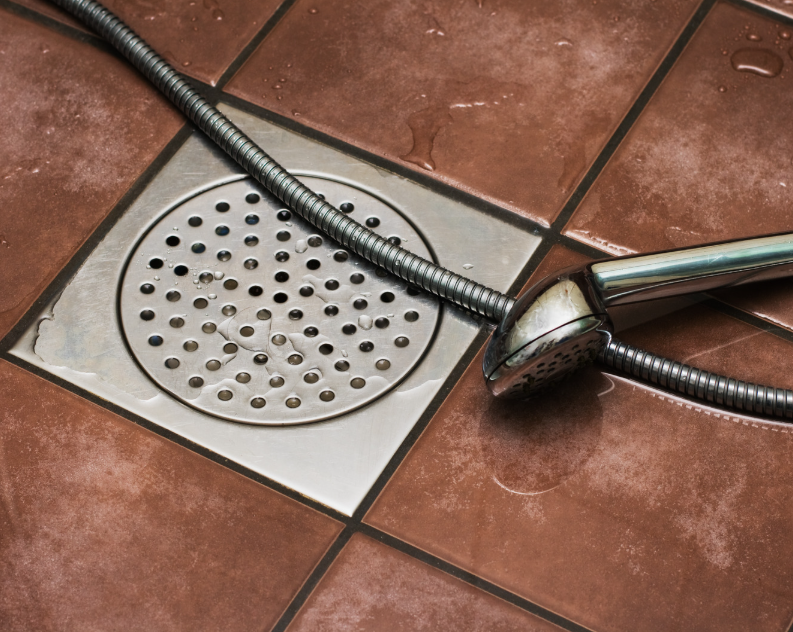
Most people expect drain problems to be obvious.
Water stops moving.
The shower fills up around your ankles.
You pull a frightening amount of hair from underneath the drain cover and wonder how anyone in the house still has hair left.
A smell is different.
A shower drain can develop an odor even while water continues moving through it normally.
Sometimes the reason is fairly simple.
Other times, the smell becomes one of several little clues that something deeper in the plumbing deserves attention.
If your shower drain smells no matter how clean the bathroom is, A+ Drain Cleaning and Plumbing can help figure out where the odor is actually coming from.
The Drain Doesn’t Have to Be Clogged to Be Dirty
This is probably the easiest place to start.
Water going down the drain doesn’t necessarily mean the inside of that drain is clean.
Think about everything that washes off during a normal shower.
Soap.
Shampoo.
Conditioner.
Body oils.
Hair.
Shaving products.
Skin.
Most of it disappears and nobody gives it another thought.
But plumbing isn’t a perfectly smooth tunnel where everything shoots straight out of the house.
Small amounts of material can collect along the way.
Hair catches something.
Soap sticks to the hair.
More material catches on top of that.
The drain may remain open enough for water to move normally, while buildup develops around the inside.
Eventually, that buildup can start smelling.
From above, everything still looks fine.
That’s the part homeowners find frustrating.
You can scrub every inch of the shower you can reach and never touch what’s creating the odor.
The Drain Cover Can Hide More Than You Think
One homeowner had cleaned his shower repeatedly and couldn’t understand why the smell returned.
Then he removed the drain cover.
That answered a few questions.
There wasn’t a giant clog underneath.
Nothing dramatic.
Just a collection of hair, soap residue, and the kind of unpleasant material nobody really wants to examine closely before breakfast.
He cleaned what he could reach.
The smell improved considerably.
Sometimes the problem really is that close to the surface.
The drain cover hides an area that rarely gets the same attention as the shower floor.
And because water passes through it every day, it’s easy to assume it gets cleaned automatically.
It doesn’t.
Then There’s the Stuff You Can’t Reach
Cleaning underneath the drain cover is one thing.
What happens farther down is another.
Most homeowners can only see the first few inches of a shower drain.
After that, the plumbing disappears.
That’s where guessing begins.
Maybe there’s more buildup farther down.
Maybe there isn’t.
Maybe the odor is coming from something else entirely.
This is where repeatedly pouring different products into the drain can become frustrating.
You might improve the smell temporarily without knowing what actually caused it.
Then three days later, you’re back where you started.
Sometimes the Smell Appears When the Water Starts
This is a useful detail.
The bathroom smells normal when you walk in.
Then you turn on the shower.
A minute later, something smells off.
Why?
Running water changes what’s happening inside the drain.
It can disturb material sitting along the pipe.
It changes airflow.
Warm water can also make certain odors easier to notice.
One homeowner said the shower never smelled bad until the water became hot.
That didn’t solve the mystery by itself, but it gave us another piece of information.
When the smell appears can be just as useful as what it smells like.
What If the Shower Hasn’t Been Used in a While?
Guest bathrooms are especially good at creating this situation.
Nobody uses the shower for weeks.
Maybe months.
Then family comes to visit.
Someone opens the bathroom door and asks:
“What’s that smell?”
A shower drain contains a curved section of plumbing designed to hold water.
That water plays an important role because it helps keep sewer gases from traveling back through the drain and into the room.
When a shower sits unused for a long time, that water can gradually disappear.
Suddenly the barrier isn’t doing the same job.
This can happen in guest bathrooms, spare bathrooms, basement showers, or anywhere else water rarely gets turned on.
Sometimes running the shower restores what was missing.
If the smell keeps returning despite regular use, however, then it’s worth looking beyond an unused fixture.
A Bathroom Can Be Clean and Still Smell Damp
Not every odor coming from around the shower is actually a sewer odor.
This is where your nose can be misleading.
A damp bathroom has its own smell.
Wet.
Musty.
Stale.
Maybe slightly earthy.
Homeowners sometimes describe all of those as a “drain smell” because the odor seems strongest near the shower.
But look around.
Does the bathroom dry properly after someone showers?
Is the exhaust fan working?
Does the shower curtain stay wet all day?
Is there discoloration around the base of the shower?
Does the caulk look different than it used to?
Sometimes the drain isn’t responsible at all.
The moisture around the shower is.
Check What Happens After Everyone Leaves
Bathrooms can look completely different an hour after a shower.
That’s worth checking.
Take your shower as usual.
Then come back later.
Is the floor dry?
Is water sitting somewhere around the shower?
Does one corner stay damp?
Is there moisture outside the enclosure?
One Nampa homeowner thought the drain smelled musty.
Eventually, he noticed a small area beside the shower that never seemed to dry completely.
The odor was strongest there.
Not in the drain.
Mystery solved.
It wasn’t the plumbing problem he expected, but the moisture still needed attention.
A Little Gurgling Changes the Story
Now imagine the shower smells strange and the drain makes noise.
Not every time.
Just occasionally.
You hear a gurgle after turning off the water.
Or the drain sounds different while the shower is emptying.
That’s something worth remembering.
The plumbing has to move water and air.
Normally, you don’t think about either process because everything happens quietly.
When a drain becomes noisy at the same time an odor develops, there may be more going on than surface buildup.
Again, you don’t have to diagnose it.
You just need to notice that two things changed around the same time.
What About a Slow Drain?
This is another clue that homeowners sometimes dismiss.
“It’s not clogged. It’s just a little slow.”
Fair enough.
But was it always slow?
Maybe the shower used to empty almost immediately.
Now water hangs around your feet for thirty seconds.
Then a minute.
You barely notice because the change happened gradually.
Add an unpleasant smell, and suddenly that slow drain becomes more interesting.
A drain doesn’t need to stop completely before it deserves attention.
Sometimes the earlier stage is exactly when you’d rather deal with it.
Other Fixtures Can Help Tell the Story
If the shower is the only thing acting strangely, that’s useful information.
If the shower smells, the bathroom sink gurgles, and the toilet has recently started bubbling, that’s useful too.
The second situation gives us a very different picture.
This is why plumbing problems can be confusing when homeowners look at each fixture separately.
The toilet is in one corner.
The shower is somewhere else.
The sink is across the room.
They look independent.
Behind the walls, they aren’t.
If several fixtures begin behaving differently around the same time, it may make more sense to investigate the shared plumbing rather than repeatedly cleaning one drain.
Sewer Smells Shouldn’t Become Part of the Bathroom
People get used to things.
That’s human nature.
A door squeaks for six months.
Nobody hears it anymore.
The refrigerator makes a strange hum.
Eventually, it becomes background noise.
Smells can be the same way.
At first, you notice the shower drain every morning.
A few weeks later, you barely think about it.
Then someone visits and asks what the smell is.
That’s usually when homeowners realize they’ve been living with it longer than they thought.
A sewer type smell shouldn’t simply become part of the room.
If cleaning doesn’t solve it and regular shower use doesn’t make a difference, it’s worth finding the actual source.
Be Careful About Mixing Drain Products
Once people get frustrated, they start trying everything.
One product doesn’t work.
So they try another.
Then something they saw online.
This can create problems of its own.
Different chemical cleaners shouldn’t be casually mixed together, and repeatedly pouring harsh products into a drain isn’t a substitute for understanding why the odor keeps returning.
If you’ve already cleaned what you can safely reach and the smell remains, that’s usually a good point to stop experimenting.
The drain may need a different kind of attention.
When a Drain Camera Makes Sense
Not every smelly shower needs a camera inspection.
That would be excessive.
But if the odor is part of a larger pattern, the conversation changes.
Recurring clogs.
Several slow drains.
Bubbling toilets.
Strange sewer odors in multiple rooms.
Problems that keep returning after previous drain cleaning.
Those are situations where seeing inside parts of the drainage system may be useful.
A camera can help take some of the guessing out of the process.
Instead of assuming what’s inside the line, a plumber may be able to actually see the condition of accessible portions of the drainage system.
That information can help determine what needs to happen next.
What A+ Drain Cleaning and Plumbing Will Want to Know
If you call A+ Drain Cleaning and Plumbing because your shower drain smells, don’t be surprised if we ask about more than the shower.
Is the drain slow?
Does it gurgle?
When is the smell strongest?
Is this shower used every day?
Have other drains developed odors?
Does the toilet make unusual sounds?
Have you had recurring clogs?
Does the bathroom stay damp?
Those questions help separate a dirty drain from a larger drainage issue or even a moisture problem that isn’t coming from the drain at all.
Sometimes the answer is simple.
Sometimes the smell is just the first symptom that got your attention.
Either way, knowing the cause is a lot more useful than covering the smell for another week.
If your shower drain smells even though water still goes down normally, A+ Drain Cleaning and Plumbing can help you figure out why.
Frequently Asked Questions
Why does my shower drain smell even though it isn’t clogged?
A drain can develop odors from hair, soap residue, organic buildup, an unused plumbing trap, or other drainage conditions even while water continues flowing.
Why does my shower smell worse when I run hot water?
Warm water and changes in airflow through the drain can sometimes make existing odors more noticeable.
Can an unused shower start smelling like sewer?
Yes. If a shower isn’t used for an extended period, water inside the plumbing trap can evaporate and allow sewer odors to become noticeable.
Should I clean underneath the shower drain cover?
If the cover can be safely removed, hair and residue near the opening may be worth cleaning. Avoid taking apart plumbing components if you’re unsure how they are installed.
Why does my shower drain smell and gurgle?
A smell combined with unusual drainage noises may indicate that water or air isn’t moving normally through part of the system. If it keeps happening, have it inspected.
When should I call a plumber?
If the smell keeps returning despite cleaning, the shower is draining more slowly, several drains smell, or other fixtures are gurgling or bubbling, professional inspection is a good next step.
Final Thoughts
A shower drain that smells but isn’t clogged can be strangely irritating.
Everything appears to work.
Water goes down.
The shower looks clean.
Yet every morning, the bathroom reminds you that something isn’t quite right.
Sometimes the answer is sitting directly underneath the drain cover.
Sometimes the shower simply hasn’t been used enough.
Maybe the bathroom isn’t drying properly.
Or perhaps that smell is showing up alongside a few other plumbing changes you’ve been ignoring.
That’s why it’s worth looking at the whole picture.
Not just the smell.
Does the drain make noise?
Has it become slower?
Are other fixtures acting differently?
Does the odor disappear after using the shower, or does it keep returning?
You don’t have to turn yourself into a plumber to answer those questions.
You just have to pay attention.
And if you’ve cleaned everything you can reasonably clean and the shower still smells like something is hiding down there, A+ Drain Cleaning and Plumbing can help find out what your drain has been trying to tell you.
Why Does My Bathroom Sink Smell Like Sewer?
Why Does My Toilet Bubble When the Shower Is Running?
Professional Drain Camera Inspection
Free Authoritative Backlinks
For additional homeowner information, the U.S. Environmental Protection Agency WaterSense program provides water efficiency and household plumbing resources.
For information related to sewer and drain inspection standards, the National Association of Sewer Service Companies is another relevant industry resource.