


Why Does My Faucet Make a Whistling or Squealing Noise?
The sound lasted maybe three seconds.
A homeowner in Nampa was standing at the bathroom sink one morning, half awake, brushing his teeth.
He turned on the faucet.
A high pitched whistle came from somewhere near the sink.
Then it stopped.
He looked at the faucet for a second.
Nothing seemed wrong.
The water was running normally, so he finished brushing his teeth and went on with his morning.
The next day, it happened again.
This time the whistle lasted longer.
His wife heard it from the hallway and asked what the noise was.
“No idea.”
A few evenings later, the faucet made an entirely different sound.
More of a squeal this time.
Now everyone in the house had noticed it.
The strange part was that the faucet still worked.
There was no water underneath the cabinet.
Nothing was dripping.
The handle turned normally.
It was simply noisy.
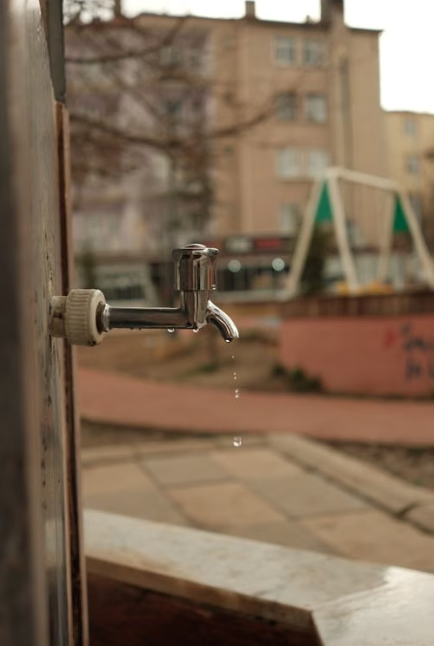
That’s how faucet noises often get ignored.
When something still works, it is easy to assume there isn’t really a problem.
Maybe the faucet is getting old.
Maybe that’s just what it sounds like now.
Maybe it will stop on its own.
Sometimes it does.
Other times, that little whistle is the first clue that something in or around the fixture has changed.
If a faucet in your Nampa home has suddenly started whistling, squealing, or making a noise it never made before, A+ Drain Cleaning and Plumbing can help figure out where the sound is coming from.
Contact A+ Drain Cleaning and Plumbing
First, Make Sure It Really Is the Faucet
This sounds obvious until you actually try it.
Plumbing noises travel.
A sound that seems to come directly from the bathroom faucet may actually be coming from the pipe underneath it.
Or inside the wall.
Or from a valve nearby.
One homeowner was convinced his kitchen faucet was making a high pitched noise.
He stood there listening while someone else turned it on and off.
After a few tries, he realized the sound was strongest underneath the sink.
That changed things.
Before worrying about what the noise means, pay attention to where it seems loudest.
You don’t need to take anything apart.
Just listen.
Sometimes that alone gives you a much better idea of what you’re dealing with.
Does It Whistle With Hot Water, Cold Water, or Both?
Here’s another easy thing to notice.
Turn on the cold water.
Listen.
Then try the hot water.
Does the noise happen both times?
Or only with one?
A faucet that squeals only when hot water is running gives a plumber different information from one that whistles regardless of temperature.
You may even notice that the sound only happens when the handle is sitting in one particular position.
Move it slightly and the whistle disappears.
Move it back and there it is again.
That’s useful.
You haven’t diagnosed anything.
But you’ve already learned something about when the noise appears.
Sometimes the Faucet Is Simply Getting Older
Faucets get used constantly.
Think about the bathroom sink alone.
Someone washes their hands.
Turns it off.
Someone brushes their teeth.
On again.
Off again.
Someone washes their face.
Then somebody else comes along five minutes later.
Do that every day for years.
Eventually, the little components inside the fixture can wear.
A washer that once sat quietly may not behave exactly the same way anymore.
A valve can change.
Something inside the faucet may begin vibrating as water passes through.
And suddenly a fixture that has been silent for ten years develops a voice.
That doesn’t automatically mean the whole faucet needs replacing.
It does mean the change is worth noticing.
The Aerator Is Easy to Forget
Look at the end of your faucet.
There’s usually a small screen where the water comes out.
Most homeowners barely notice it until something goes wrong.
That little piece is called an aerator.
And in an area where hard water is common, it can collect mineral buildup over time. A+ Drain Cleaning and Plumbing notes that hard water can contribute to mineral buildup and reduced water pressure in Nampa homes.
You may see white crust around the faucet.
The water stream might look uneven.
Maybe it sprays slightly sideways.
Or perhaps the faucet has slowly become noisier.
One homeowner removed an aerator and was surprised by how much mineral buildup was sitting inside something so small.
He had been blaming the plumbing behind the wall.
The problem was sitting right in front of him.
Hard Water Has a Way of Showing Up Everywhere
If you live in Nampa, you probably already know what hard water looks like.
It leaves evidence.
Around faucets.
On showerheads.
Across glass.
Sometimes on dishes after they come out of the dishwasher.
It’s easy to think of hard water as a cleaning annoyance.
Something that makes fixtures look cloudy.
But mineral buildup can affect how water moves through fixtures too. The company’s water treatment information specifically identifies hard water as an issue in Nampa and notes that mineral buildup can contribute to reduced water pressure and plumbing problems.
That matters when you’re trying to understand a faucet that suddenly sounds different.
If the faucet is whistling and you can already see heavy mineral deposits around it, those two observations are worth mentioning together.
Then There’s Water Pressure
This is where a little faucet noise can connect to something bigger.
Maybe you’ve noticed the whistle.
But you’ve also noticed something else.
The shower feels stronger than it used to.
Or weaker.
Perhaps the pressure seems different depending on the time of day.
Maybe several faucets have started behaving differently.
Water pressure problems can show up in more than one way. A+ Drain Cleaning and Plumbing’s existing guide on low water pressure discusses fixture buildup, valves, leaks, and other system wide conditions that can affect pressure in Nampa homes.
So if the noisy faucet isn’t your only symptom, don’t forget the other changes.
We’ve already covered this in our related blog, Why Does My Water Pressure Keep Changing Throughout the Day?
That’s a good internal link to add here because the two problems can sometimes overlap.
A Faucet Can Be Loud Only at One Setting
This one can drive people crazy.
You turn the faucet on halfway.
Squeeeeeal.
Open it a little more.
Silence.
Turn it back.
There it is again.
After a while, everyone in the house learns exactly where not to leave the handle.
That’s usually when the strange noise becomes part of the household routine.
Instead of fixing it, people adapt.
“Turn it a little farther or it whistles.”
We do this with all kinds of things around the house.
A sticky door.
A loose cabinet handle.
A light switch you have to wiggle.
Eventually, the workaround feels normal.
But the faucet didn’t always need a special technique.
Something changed.
What If More Than One Faucet Starts Making Noise?
One noisy faucet can point toward that individual fixture.
Several noisy faucets deserve a different kind of attention.
Maybe the bathroom faucet whistles.
Then the kitchen starts doing something similar.
A week later, someone mentions that the shower sounds strange when it first turns on.
Now the question isn’t only:
“What’s wrong with this faucet?”
It’s:
“Why are several fixtures suddenly noisy?”
That doesn’t automatically mean there’s a major plumbing problem.
Still, it’s worth mentioning when you call a plumber.
Patterns matter.
The more fixtures involved, the more useful it becomes to look beyond one sink.
Listen for Noises Behind the Wall Too
A whistle is one thing.
A bang is another.
So is rattling.
Or vibrating.
Sometimes homeowners use the word “squealing” for almost any high pitched plumbing noise.
That’s fine.
You don’t need the perfect word.
Just notice whether the sound seems to come from the faucet itself or from somewhere deeper.
If the pipes have also started making new noises when water turns on or off, that belongs in the same conversation.
We’ve previously covered this in Why Are My Pipes Making Noise When I Turn On Water?
That’s another natural blog to link here because someone searching for a noisy faucet may realize the sound isn’t actually limited to the faucet.
Low Pressure and Whistling Together Are Worth Noticing
Imagine the faucet used to have a strong, quiet stream.
Now it whistles.
And the water seems weaker.
Those two changes may or may not share the same cause, but they’re worth considering together.
Mineral buildup around a fixture can affect flow.
Other plumbing conditions can affect pressure across the home.
A+ Drain Cleaning and Plumbing’s low water pressure guide recommends first checking whether the issue affects one fixture or several, because that distinction helps separate a local fixture problem from a broader plumbing issue.
That’s a useful approach here too.
If one faucet whistles and everything else is normal, start there.
If the entire house suddenly sounds and feels different, tell the plumber that.
Don’t Forget About the Shutoff Valves
Under most sinks are valves that allow water to be shut off to the faucet.
Most homeowners don’t touch them very often.
They sit quietly underneath the cabinet for years.
If you’re already looking under the sink because of a strange noise, you may notice that the sound seems strongest near one of those valves rather than the faucet above.
That’s useful information.
It doesn’t mean you should start turning old valves back and forth just to experiment.
A valve that hasn’t been moved in years may not appreciate suddenly becoming part of a home science project.
Just notice where the sound is coming from and leave the repair to someone who can inspect it properly.
When a Small Noise Comes With a Leak
This changes things.
Maybe the faucet started squealing last month.
Now you’ve noticed moisture underneath the sink.
Or a fitting looks wet.
Maybe the water bill has climbed for no obvious reason.
At that point, don’t treat the sound as an isolated annoyance.
A+ Drain Cleaning and Plumbing lists damp surfaces, unexplained increases in water bills, low water pressure, and noisy pipes among signs that may accompany water leaks.
We’ve also written about Hidden Water Leaks in Your Home: Signs You Shouldn’t Ignore, which fits naturally here if someone is seeing moisture along with the noise.
A whistle by itself might be a fixture issue.
A whistle plus water where it shouldn’t be deserves a closer look.
You Don’t Have to Replace the Faucet Immediately
This is another assumption people make.
“The faucet is making noise. I guess we need a new faucet.”
Maybe.
Maybe not.
It depends on what’s actually causing the sound.
If a small component is worn, the solution may be different.
If mineral buildup is involved, that changes the conversation.
If the sound is really coming from the plumbing underneath or behind the fixture, replacing the faucet may accomplish nothing except giving you a beautiful new faucet that still whistles.
That’s why figuring out where the noise comes from is more useful than immediately buying replacement hardware.
What A+ Drain Cleaning and Plumbing Will Want to Know
If you call A+ Drain Cleaning and Plumbing about a whistling or squealing faucet, don’t worry about knowing plumbing terminology.
Just tell us what you’ve noticed.
Which faucet makes the noise?
When did it start?
Does it happen with hot water?
Cold water?
Both?
Does the sound change when you open the faucet farther?
Has the water pressure changed?
Are other fixtures making noise?
Have you noticed mineral buildup or a leak underneath the sink?
Those simple details can tell us quite a bit.
The goal isn’t to make a faucet quiet for five minutes.
It’s to understand why a fixture that used to be silent suddenly isn’t.
If your faucet has started whistling, squealing, vibrating, or making some other noise nobody in the house can explain, A+ Drain Cleaning and Plumbing serves Nampa and the surrounding Treasure Valley.
Schedule service with A+ Drain Cleaning and Plumbing
Frequently Asked Questions
Why does my faucet whistle when I turn it on?
A whistling faucet may be related to a worn fixture component, mineral buildup, water flow through the fixture, or another condition around the faucet or supply plumbing.
Why does the noise disappear when I open the faucet farther?
Changing the handle position changes how water moves through the fixture. If the sound only appears at one setting, mention that when having the faucet inspected.
Can hard water make a faucet noisy?
Hard water can leave mineral deposits in and around plumbing fixtures. In Nampa, hard water is a known local concern and can contribute to buildup and reduced flow.
Should I worry if only one faucet whistles?
If only one fixture is affected, the problem may be local to that faucet. If several fixtures are noisy or water pressure has also changed, a broader plumbing inspection may make sense.
Does a squealing faucet mean it needs to be replaced?
Not necessarily. The cause should be identified before deciding whether repair or replacement makes more sense.
When should I call a plumber?
If the sound keeps returning, gets worse, appears at multiple fixtures, comes with changing water pressure, or you notice moisture or leaks, it’s a good idea to have it checked.
Final Thoughts
A whistling faucet is easy to laugh about at first.
Especially when everything still works.
You turn on the water.
It squeals.
You move the handle.
It stops.
Eventually, everyone in the house learns the trick.
Then one morning you realize you’ve been doing that for six months.
That’s usually the point when the noise stops being funny.
The good thing about a noisy faucet is that it’s giving you something to notice.
Maybe it’s a little mineral buildup.
Maybe something inside the fixture is wearing down.
Perhaps the water pressure has changed.
Or maybe the sound isn’t coming from the faucet at all.
You don’t have to guess.
Pay attention to when it happens.
Hot or cold.
One faucet or several.
Low pressure or normal pressure.
Noise above the sink or underneath it.
Those details make the story much easier to understand.
And if your faucet has suddenly become the loudest thing in the bathroom, A+ Drain Cleaning and Plumbing can help figure out why.