


How to Read Your Water Meter for Leaks in Nampa ID (Before a Small Leak Becomes a Big Problem)
Most homeowners do not spend much time looking at their water meter. 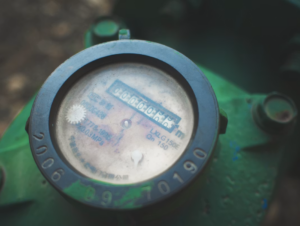
Honestly, most people only think about it when the water bill suddenly jumps or someone suggests checking for a leak.
Then comes the question:
“How do I even know if there’s a leak?”
The good news is that your water meter can tell you a lot.
In fact, one of the easiest ways to detect a hidden plumbing leak is by using a tool that is already sitting outside your home.
You do not need special equipment.
You do not need plumbing experience.
And you definitely do not need to start opening walls or digging up your yard.
A simple water meter test can often tell you whether water is leaving your system when it should not be.
For homeowners in Nampa, where hidden leaks, irrigation issues, and aging plumbing systems are fairly common, learning how to perform this simple test can save a lot of money and frustration.
If you suspect a leak and want professional help, you can start here.
Why hidden leaks are so difficult to catch
The biggest problem with hidden leaks is that they usually do not announce themselves.
You do not always see water.
You do not always hear dripping.
And you definitely do not always notice damage right away.
Sometimes the only clue is:
A higher water bill
A patch of unusually green grass
A damp area near a wall
A water heater running more often
A slow increase in monthly usage
That is why water meters are so useful.
They show whether water is moving through the system even when nobody is using it.
Where is your water meter?
For most Nampa homeowners, the water meter is typically located:
Near the curb
Inside a meter box
Near the street in front of the property
Some homes may have slightly different setups, but generally speaking, the meter is located where the municipal water supply enters the property.
If you have never looked for it before, now is a good time.
Because if a plumbing emergency ever happens, knowing where your meter is can be surprisingly helpful.
What does a water meter actually measure?
Simply put, it measures water usage.
Every time water moves through your plumbing system, the meter records it.
This includes:
Showers
Toilets
Faucets
Washing machines
Dishwashers
Outdoor faucets
Irrigation systems
If water is flowing, the meter knows.
That is what makes it such a useful leak detection tool.
The easiest leak test homeowners can perform
This test only takes a few minutes.
Step 1: Turn off all water inside and outside
Make sure:
No faucets are running
No washing machine is operating
No dishwasher is running
No irrigation system is active
No one is using water inside the home
You want the house completely still.
Step 2: Find the leak indicator
Most modern water meters include a small leak indicator.
Depending on the meter, it may look like:
A tiny triangle
A star-shaped wheel
A small dial
A digital flow symbol
This indicator is extremely sensitive.
Even very small water movement can make it move.
Step 3: Watch the indicator
Once everything is shut off, watch the leak indicator carefully.
If it remains completely still, that is usually a good sign.
If it continues moving, water is likely flowing somewhere in the system.
And if nobody is using water, that often means a leak exists.
What if the leak indicator is moving?
Do not panic.
A moving indicator does not automatically mean a major plumbing disaster.
But it does mean something deserves attention.
Possible causes include:
Running toilets
Dripping faucets
Irrigation leaks
Water softener issues
Hidden pipe leaks
Underground water line leaks
The goal is simply to narrow things down.
Toilets cause more hidden water waste than people realize
This surprises homeowners all the time.
A toilet can leak internally without ever overflowing.
You may not see water on the floor.
You may not hear obvious running.
Yet the toilet may still be quietly wasting water all day.
According to the EPA WaterSense Program, toilets are one of the most common sources of household water waste.
That is why toilets are often one of the first things plumbers check when investigating unexplained water usage.
Outdoor leaks are easy to miss
This is especially true during the summer months.
Many homeowners focus on plumbing inside the house and forget about:
Outdoor faucets
Sprinkler systems
Irrigation valves
Underground water lines
Because these leaks occur outside, they can continue for months before someone notices.
Sometimes the only clue is:
Wet soil
Greener grass
Higher water bills
Why water bills often reveal problems first
Most leaks start small.
So small that homeowners do not notice them.
The water meter notices, though.
Every drop counts.
Month after month, that hidden leak continues running.
Then one day the water bill arrives.
And suddenly something feels off.
This connects directly with this topic.
Because many homeowners discover leaks through billing changes before they ever see physical damage.
The overnight water meter test
If you want an even more accurate test, try this.
Before bed:
Turn off all water usage.
Write down the meter reading.
Avoid using water overnight.
In the morning:
Check the meter again.
If the reading changed despite no water use, there is a strong chance water moved through the system overnight.
That is often a sign of a hidden leak.
Why irrigation season can complicate things
In Nampa, many homeowners use:
Sprinkler systems
Pressurized irrigation
Outdoor watering systems
During summer, these systems can make leak detection more confusing.
Sometimes homeowners assume the issue is inside the house when the real problem is happening outdoors.
This connects directly with topic.
Understanding which system is using water helps narrow down the source much faster.
Signs you should investigate further
It may be worth calling a plumber if:
The leak indicator moves constantly
The meter changes overnight
Water bills continue increasing
You notice damp areas around the property
Water pressure changes unexpectedly
These clues often point toward a plumbing issue that deserves attention.
What NOT to do
Do not assume a higher water bill is always a billing mistake.
Do not ignore a moving leak indicator.
Do not wait months hoping the issue disappears.
And honestly, do not assume that no visible water means no leak.
Many plumbing leaks stay hidden for a very long time.
What A Plus usually checks during leak investigations
Most homeowners simply want to know:
“Is there actually a leak?”
A typical inspection may include:
Water meter evaluation
Leak detection testing
Fixture inspection
Toilet testing
Water line assessment
Pressure evaluation
Sometimes the problem is surprisingly small.
Other times the meter helps reveal a leak before major damage occurs.
You can schedule service here.
Frequently Asked Questions
Can a water meter really detect small leaks?
Yes. Modern meters are often sensitive enough to detect very small amounts of water movement.
What if my leak indicator keeps moving?
If no water is being used and the indicator moves continuously, a leak may exist somewhere in the system.
Are outdoor leaks common in Nampa?
Very common, especially during irrigation season.
Can a toilet leak without overflowing?
Absolutely. Many toilet leaks happen internally and remain unnoticed for months.
Final Thoughts
Your water meter is one of the simplest leak detection tools you already own.
Most homeowners never think about it until something feels wrong.
But taking a few minutes to check it can reveal problems long before they become expensive repairs.
A hidden leak today might only be wasting a little water.
A few months from now, it could mean water damage, higher bills, or a much larger repair.
That is why a simple water meter check is often one of the smartest things a homeowner can do.