


Do You Need a Sprinkler Backflow Assembly in Nampa ID? Here’s What Homeowners Should Know
Most homeowners have seen the strange-looking pipes sticking up near their sprinkler system.
You know the ones.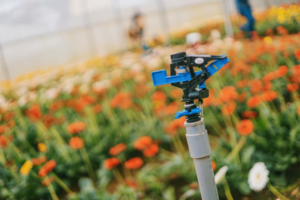
Usually they’re green, bronze, or metal, sitting a foot or two above the ground somewhere near the side yard.
Most people never think about them.
Until something starts leaking.
Or they receive a notice about testing.
Or somebody mentions a “backflow preventer” and suddenly they’re wondering what it actually does.
Honestly, that’s pretty common.
A sprinkler backflow assembly is one of those plumbing components that works quietly in the background for years. When it’s doing its job correctly, nobody notices it.
But it’s actually one of the most important devices protecting your home’s drinking water.
If you’ve ever wondered why your irrigation system has one, why it needs testing, or what happens when it fails, this guide will walk you through it in simple terms.
If you’re already dealing with a leaking backflow device or irrigation-related plumbing concerns, you can start here.
What is a backflow assembly?
The easiest way to think about it is this:
Its job is to keep water flowing in the correct direction.
Normally water moves from the water supply into your sprinkler system.
What you don’t want is water from your sprinkler system flowing backward into the drinking water supply.
That’s exactly what a backflow assembly helps prevent.
It acts like a safety device between the irrigation system and the potable water system.
Without it, contaminated water could potentially move in the wrong direction under certain conditions.
Why does this matter?
Think about everything your sprinkler system comes into contact with.
Sprinkler heads sit in:
Grass
Dirt
Mud
Fertilizer-treated soil
Landscaped areas
Sometimes sprinkler heads become submerged in standing water.
Sometimes they’re surrounded by lawn chemicals.
The last thing anyone wants is water from those environments flowing backward into a home’s drinking water supply.
According to the EPA Drinking Water Information, cross-connections and backflow prevention are important parts of protecting public drinking water systems.
That is why backflow devices exist.
Why are they common in Nampa?
Many Nampa properties have:
Sprinkler systems
Large landscaped yards
Pressurized irrigation systems
Outdoor water systems
As outdoor watering became more common, protecting drinking water became increasingly important.
Today, backflow assemblies are standard components on many irrigation systems throughout the Treasure Valley.
What happens when water flows backward?
This is called backflow.
Most of the time, homeowners never experience it because the prevention device is doing its job.
But under certain conditions, pressure can change unexpectedly.
For example:
A water main break
Fire hydrant use nearby
Sudden pressure loss in the municipal system
When pressure changes occur, water can potentially reverse direction.
That is exactly what the backflow assembly is designed to stop.
Signs your backflow assembly may have a problem
Most homeowners don’t inspect their backflow assembly regularly.
Usually they only notice it when something looks unusual.
Common warning signs include:
Water leaking from the assembly
Constant dripping
Visible corrosion
Unusual noises
Reduced irrigation performance
Sometimes homeowners discover puddles near the device and assume it is just sprinkler runoff.
In reality, the assembly itself may be leaking.
Why backflow assemblies sometimes leak
Like any plumbing component, they wear out over time.
Common causes include:
Aging seals
Mineral buildup
Damaged internal components
Freeze damage
Pressure fluctuations
Around Nampa, hard water can contribute to wear inside these devices over the years.
According to the EPA WaterSense program, mineral-heavy water contributes to scale buildup that affects plumbing components and efficiency over time.
Winter can be especially rough on backflow devices
This is one of the most common causes of damage.
Even though Idaho winters are not the harshest in the country, freezing temperatures still create plumbing risks.
Water trapped inside a backflow assembly can expand when frozen.
That expansion can:
Crack components
Damage seals
Create leaks
The American Red Cross notes that freezing water expands and can damage plumbing systems if not properly protected.
American Red Cross Frozen Pipe Safety
That is why many irrigation systems are winterized before temperatures drop.
Why some homeowners receive testing notices
This surprises people sometimes.
They receive a letter mentioning backflow testing and wonder why.
Backflow assemblies are safety devices.
To ensure they continue working properly, some municipalities or water providers require periodic testing depending on the system and local requirements.
The purpose is simple:
Confirm the device still prevents reverse flow.
Testing helps identify problems before contamination concerns develop.
What does testing actually involve?
Most homeowners expect something complicated.
In reality, the process is fairly straightforward.
A certified tester evaluates whether the internal valves and components are operating correctly.
The goal is to verify:
Water flows in the correct direction
The safety mechanisms still function properly
The assembly is protecting the water supply
If problems are found, repairs or replacement may be recommended.
Can a bad backflow assembly affect irrigation performance?
Sometimes.
While many irrigation problems come from:
Broken sprinkler heads
Valve issues
Line leaks
A malfunctioning backflow assembly can occasionally contribute to:
Reduced flow
Pressure changes
Water delivery problems
That is why it should not be ignored if issues begin appearing.
Signs it may be time for repair or replacement
Pay attention if you notice:
Persistent leaks
Visible corrosion
Repeated testing failures
Pressure problems
Water pooling around the device
These signs often indicate the assembly is no longer operating the way it should.
Why homeowners often ignore these devices
Honestly, because they usually sit outside and quietly do their job.
Most people only notice them when:
The lawn is being watered
Something starts leaking
A testing notice arrives
And because they are not part of everyday indoor plumbing use, they are easy to forget about.
Until a problem appears.
What NOT to do
Do not assume a leaking assembly will fix itself.
Do not ignore visible corrosion.
Do not attempt major repairs without understanding how the device works.
And do not overlook testing requirements if they apply to your property.
These assemblies protect drinking water, so proper repairs matter.
What A Plus typically checks
Most homeowners simply want to know:
“Is this normal?”
A typical inspection may include:
Checking for leaks
Inspecting visible damage
Evaluating pressure concerns
Reviewing overall condition
Identifying whether repairs are needed
In many cases, catching a small issue early prevents larger problems later.
You can schedule service here.
Frequently Asked Questions
What does a sprinkler backflow assembly do?
It prevents water from flowing backward from the irrigation system into the drinking water supply.
Why is it important?
It helps protect potable water from potential contamination.
Why is mine leaking?
Common causes include worn seals, mineral buildup, aging components, or freeze damage.
Is this common in Nampa?
Yes. Many Nampa homes with irrigation systems have backflow prevention devices.
Final Thoughts
Most homeowners never think about their sprinkler backflow assembly until something goes wrong.
But this small device plays a big role in protecting your home’s water supply.
It quietly sits outside doing its job year after year.
And when maintained properly, most people never have to think about it at all.
If yours is leaking, showing signs of wear, or simply hasn’t been looked at in a while, it is worth having it checked before a small issue becomes a larger repair.